The Americas

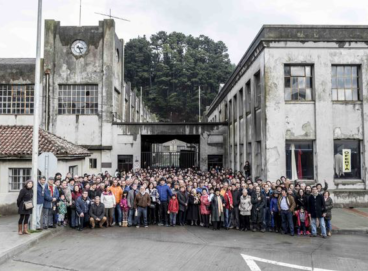
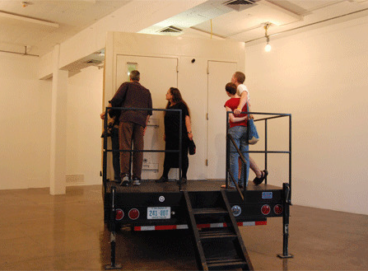
Empathy and Complicity in Regina José Galindo’s America’s Family Prison

Since the late nineties, the work of Regina José Galindo has been characterized for denouncing different forms of oppression and violence in contemporary society. One recurring theme in her artistic career has been the migratory mobilizations and displacement of Central Americans as a result of the civil wars that took place in Guatemala and other countries of the region in the 1970s.
Looking South: Lincoln Kirstein and Latin American Art

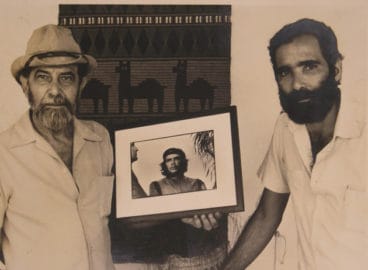
Wartime espionage, and a search for “Latin Americanness” in artistic practices, was the dual mission that sent Lincoln Kirstein to Latin America in the 1940s. This essay charts these travels in relation to shifting currents in artistic languages and geopolitics—and their part in shaping MoMA’s early collection of art from Latin America.

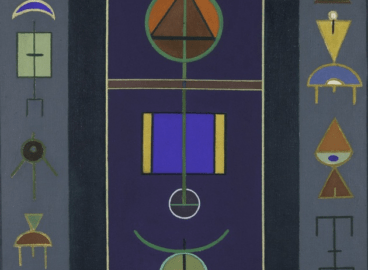
Rubem Valentim and Ibrahim El-Salahi: Strategies of Hybridization and Abstraction in the Global South

The essay analyzes the resonances between the Brazilian artist Rubem Valentim and the Sudanese artist Ibrahim El-Salahi by focusing on two paintings belonging to MoMA’s collection. Deploying hybridized semiotics and different strands of painterly abstraction, the artists critically express their stance towards race, nationhood, and universal human values.

Part 3: Lygia Clark: If You Hold a Stone

Through Brazilian musician Caetano Veloso to ancient Roman philosopher Pliny the Elder, scholar Luis Pérez-Oramas outlines and contextualizes Brazilian artist Lygia Clark’s vast body of work. The third and final section of this essay connects the sculptural nature of Clark’s paintings and the human body’s activation in her later works.