Friendship is a method
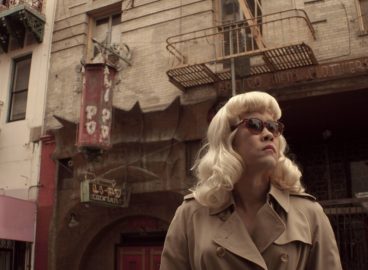
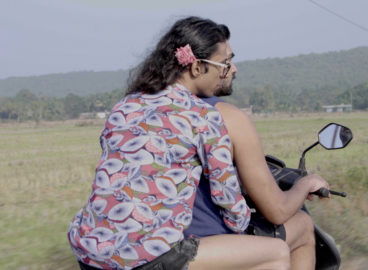
vqueeram and Vishal Jugdeo reflect on their film Does Your House Have Lions (2021), which was screened earlier this year as part of Doc Fortnight 2022: MoMA’s Festival of International Nonfiction Film and Media.
vqueeram and Vishal Jugdeo reflect on their film Does Your House Have Lions (2021), which was screened earlier this year as part of Doc Fortnight 2022: MoMA’s Festival of International Nonfiction Film and Media.
In this text focused on how postcolonial and decolonial processes are reflected in contemporary Ukrainian culture, art historian Svitlana Biedarieva examines methods of decolonizing Ukrainian cultural discourse through the lens of works by contemporary Ukrainian artists—specifically those addressing complex aspects of identity conflicts actualized by Russia’s ongoing war of aggression against Ukraine.
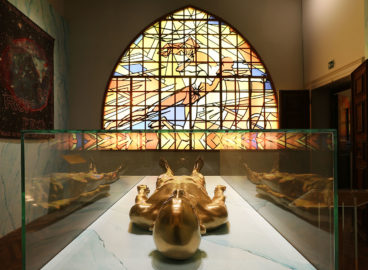
Madeline Murphy Turner analyzes recent artworks by the late Jaider Esbell, a pioneering artist, enabler, and advocate of Indigenous perspectives, environmentalism, and land rights.
The program showcases moving image works by contemporary artists from Ukraine. Created between the Maidan revolution, which was followed by Crimean annexation and occupation of Donbas in 2014—and the full-scale Russian invasion launched on February 24 of this year—the works in the program take the viewer through the country’s urgencies and contradictions, the streets and fringes of its cities, and the experiences of its inhabitants.
The conversation with Vasyl Cherepanyn, head of the Visual Culture Research Center (VCRC) in Kyiv, took place several days before Russia’s invasion in Ukraine, reflecting on the local art scene and political situation, forced to be left unfinished abrutply.
Curator Veronika Molnár discusses questions of industrial agriculture, techno-optimism, and the fossil energy infrastructure with the artist Rita Süveges, also touching upon the pervasive role of the current right-wing political regime in Hungary’s contemporary art scene.
A conversation between the artist Emilija Škarnulytė, Sophie Cavoulacos, and Valentine Umansky on two of Emilija’s upcoming projects: An Evening with Emilija Škarnulytė, streaming online as part of MoMA’s Virtual Cinema series, and a presentation at Tate Modern.
In her detailed analysis of Heman Chong’s nearly two-decade-long artistic practice, art historian and curator Kathleen Ditzig contextualizes the ways in which Chong has consistently and intently negotiated with cultural policy and national politics.
Ming Wong wanders between worlds. From Chinese painting and philosophy to theatre, film, Non-Aligned histories, and the radical politics of queerness, Wong’s artistic worldview comprises a prescient pastiche of cultural possibilities.
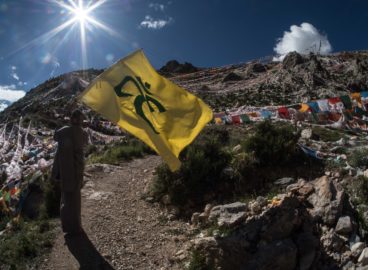
As art historian Anissa Rahadiningtyas argues, Arahmaiani’s long-term, performative, and community-based work Proyek Bendera (Flag Project) foregrounds a socio-political trinity of feminism, environmentalism, and Islam that cultivates a reparative and egalitarian space of potential.
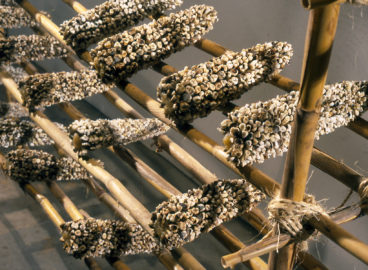
Showing up in food, cosmetics, fuel, and medicine—and, by consequence, in much of the air we breathe—corn is a ubiquitous presence in our lives. Inspired by the first episode of MoMA’s Broken Nature Podcast, this text investigates how one single crop travels through our contemporary food system.
In an effort to consider the varied impacts of COVID-19—a virus with a global reach—post has interviewed curators and directors from vital museums and galleries around the world about how the pandemic has affected their ideas regarding programming, civic engagement, and the role of the institution. This interview is with Katerina Chuchalina.