Michael Armitage and the Ghosts of Past Picturing
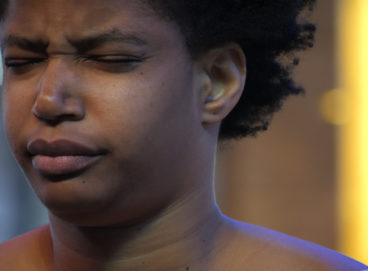
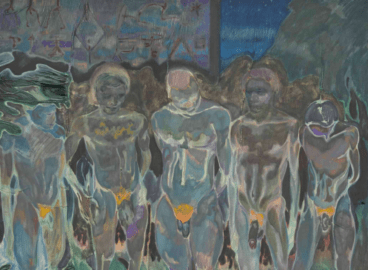
The complicated history of painting is taken up by British-Kenyan artist Michael Armitage, whose work respond to contemporary issues and events in Kenya through the ghosts of past picturing.
The complicated history of painting is taken up by British-Kenyan artist Michael Armitage, whose work respond to contemporary issues and events in Kenya through the ghosts of past picturing.
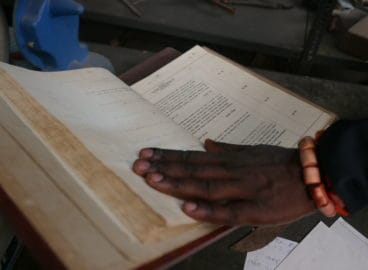
In this short virtual interview, C-MAP Fellow Nancy Dantas discusses Generator—a conceptual and infrastructural proposal, hinged on restitution—envisioned by curators Azu Nwagbogu and Clémentine Déliss as part of their long-term program for the AAF, Lagos.
In an effort to consider the variegated impacts of COVID-19, post has interviewed curators and directors from vital institutions around the world about how the pandemic has affected their conceptions and practices of programming, civic engagement, and care.
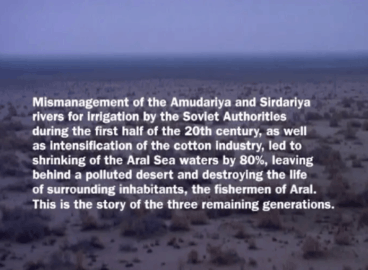
Artists reflect on the environmental damage caused by socialist modernization and capitalist industrialization.
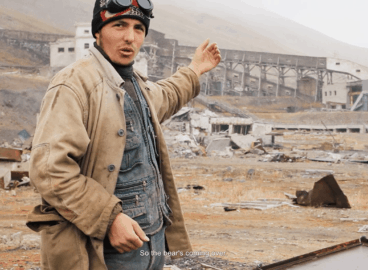
Artists reflect on the intersections between historic Soviet architecture and newly built infrastructures.
In an effort to consider the variegated impacts of COVID-19—a virus with a global reach—we interviewed curators and directors from institutions around the world about how the pandemic has affected their institutions.
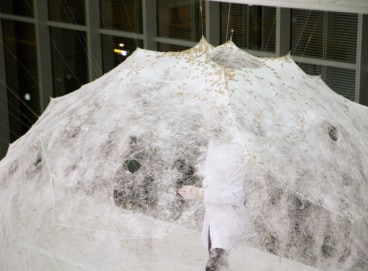
The exhibition Neri Oxman: Material Ecology shows the architect’s practice at the intersection of nature and computation. Her dynamic approach, though rooted in the modernist tradition, brings together material science, digital fabrication technologies, and organic design.
In an effort to consider the variegated impacts of COVID-19—a virus with a global reach—post interviewed Zdenka Badovinac about how the pandemic has affected conceptions and practices of programming, civic engagement, and care.
Achille Mbembe reflects on the global present and observes a recurring demand for durability in a planet in need of political and aesthetic repair.
In this conversation the two discuss Pilar’s artistic formation; her use of family lore and fabulation in her interventions into the silences of the state archive; and her interests in science and digital technology.
Is the globe of globalization the same as the globe of global warming?
The panel examines historical cases of the migration of images and knowledge across cultures and temporalities.