Hello, My Name Is Tamarra
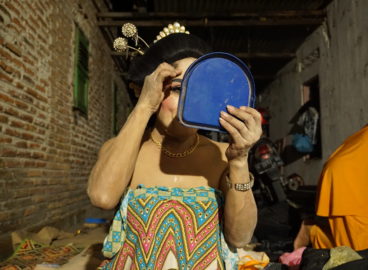
Artist and community organizer Tamarra reflects on the personal experiences, emotional complexities, socio-political events, and pilgrimages to non-binary communities across Indonesia that motivated Tamarra’s name change.
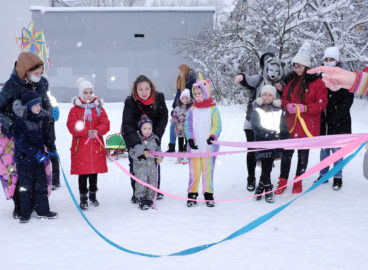
In this interview, Belarusian curators Aleksei Borisionok and Anna Chistoserdova discuss the recent political upheavals in Belarus and their impact on the local art scene.
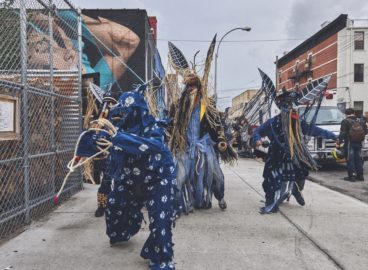
In this interview, Mexican-born, Brooklyn-based artist Laura Anderson Barbata highlights the importance of reciprocity and shared knowledge in her community-based, trans-disciplinary practice.
In an effort to consider the varied impacts of COVID-19 — a virus with a global reach — post has interviewed curators and directors from vital museums and galleries around the world about how the pandemic has affected their ideas regarding programming, civic engagement, and the role of the institution.
This conference series, organized by the Cisneros Institute, looks at the history of water management in the Americas through the interdisciplinary work of artists, theorists, historians, and local communities.
The complicated history of painting is taken up by British-Kenyan artist Michael Armitage, whose work respond to contemporary issues and events in Kenya through the ghosts of past picturing.
In this short virtual interview, C-MAP Fellow Nancy Dantas discusses Generator—a conceptual and infrastructural proposal, hinged on restitution—envisioned by curators Azu Nwagbogu and Clémentine Déliss as part of their long-term program for the AAF, Lagos.
In an effort to consider the variegated impacts of COVID-19, post has interviewed curators and directors from vital institutions around the world about how the pandemic has affected their conceptions and practices of programming, civic engagement, and care.
Artists reflect on the environmental damage caused by socialist modernization and capitalist industrialization.
Artists reflect on the intersections between historic Soviet architecture and newly built infrastructures.