The Global Present
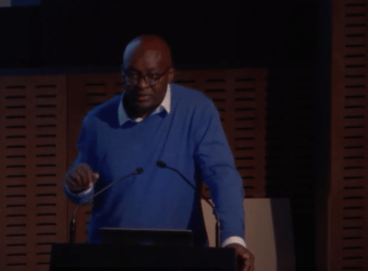
Achille Mbembe reflects on the global present and observes a recurring demand for durability in a planet in need of political and aesthetic repair.
In this conversation the two discuss Pilar’s artistic formation; her use of family lore and fabulation in her interventions into the silences of the state archive; and her interests in science and digital technology.
Is the globe of globalization the same as the globe of global warming?
The panel examines historical cases of the migration of images and knowledge across cultures and temporalities.
Okamoto Tarō recollects his experiences in Paris between 1929 and 1940, discusses the Abstraction-Création movement and reflects on his time at the Sorbonne and Musée de l’Homme.
In the spirit of collectivity despite geographical distance, post invited contributions to create a “collective poem” based on the 1981 project Poema Colectivo Revolución by the artists’ group Colectivo 3.
The move to diversify art historical narratives is often accompanied by a search for commonalities. Instead addressing a need to acknowledge radical difference and untranslatability, each presenter in this panel approached the question of the incommensurable, interrogating tensions between a global approach and site-specific study.
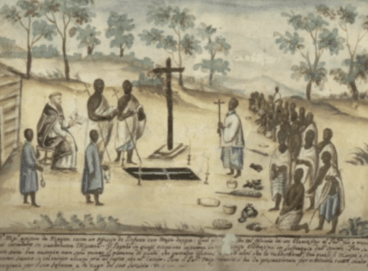
The discussion raises contemporary questions of restitution of cultural property taken during periods of colonial expansion.
This source is an English translation by Stephanie M. Hohlios of a compelling 1971 memoir-essay by Japanese artist Okamoto Tarō—“Watashi to jinruigaku: pari daigaku minzoku gakka no koro (Anthropology and I: My Time at the University of Paris Department of Ethnology)”. Okamoto’s essay “Anthropology and I” sheds light on a widely recognized but little understood…
The session explores New York as a site of intersections of artists from around the world who have passed through or settled in the city.
In the keynote lecture, Zdenka Badovinac introduces her concept of the “sustainable museum,” and explores possible translocal approaches to exhibition practice from the so-called periphery, nevertheless situated within the neoliberal global network of art museums and biennials.
A key contradiction of globalization is its facilitation of the movement of goods while the movement of people is increasingly restricted. Furthering this tendency, biometric technologies have expanded the traditional notion of the border, regulating the circulation of gendered, racialized, and classed bodies.