Sculpture

Open Loop: Reconsidering the Relationship Between Mexican Wire Baskets and Ruth Asawa’s Looped-Wire Sculpture

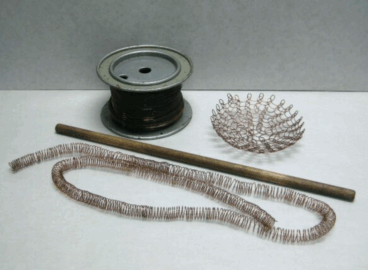
In creating a mesh by looping and interlocking single strands of wire, Asawa defined an intricate shape without precluding a view of its interior; instead, she foregrounded space itself. The artist had learned the basic premise of looping wire into permeable volumes during an American Friends Service Committee volunteer trip to Toluca, Mexico, where in 1947, she encountered—and briefly studied—a unique wire-basketry technique. While today, thanks to a series of critical analyses from 2006 onward, Asawa’s art sits comfortably within the trajectory of radical innovations of modernist sculpture, the Mexican origin and craft pedigree of her signature looped-wire creations are typically cast in a role subservient to the major narrative of the artist’s singular contributions.
Dreaming of Food, Air, and Water: In Conversation with Rajyashri Goody 

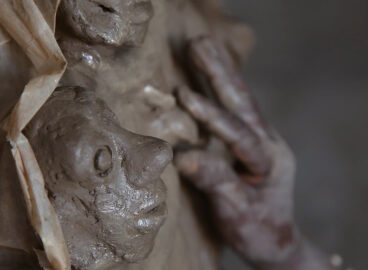
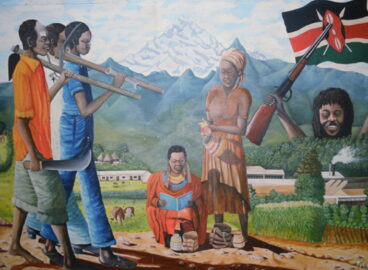
Rajyashri Goody (b. 1990) queries food and water politics, Ambedkarite Buddhist practices, literacy and Dalit literature, and mobility and place-making in the context of caste-based violence and Dalit resistance in India. She works primarily with paper pulp, clay, text, photography, and printmaking. What follows is an abbreviated account of Goody’s session with the C-MAP Bombay/Mumbai Group.…

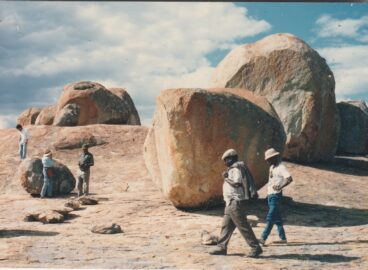
Triangle Network in Zimbabwe: An Oral History with Berry Bickle

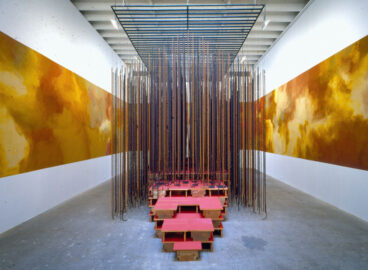
The Triangle Network is a global network of artists and visual arts organizations that supports professional development and cultural exchange among artists, curators, and other arts professionals worldwide. It was initiated in 1982 by Anthony Caro and Robert Loder in New York City with the first Triangle Artists’ Workshop, and over the next two decades,…

Somehow Materials Find Form: Pratchaya Phinthong and Carlos Quijon, Jr. in Conversation

Across Pratchaya Phinthong’s more than two-decade practice, an idiom of materiality and form has emerged that aligns his artistic trajectory along a conceptualist vein. Phinthong discusses his relationship toward this categorization and shares how he approaches his artistic practice against and alongside conceptualist gestures and methods. This edited transcript comes out of two interviews conducted with the artist over video call in June 2024.

Catholic and Popular Mysticism in Brazilian Modern Art: The Quest for Maria Eugênia Franco’s Critique of Sacred Representations / Misticismo católico e popular na arte moderna brasileira: a busca da crítica de Maria Eugênia Franco às representações sacras

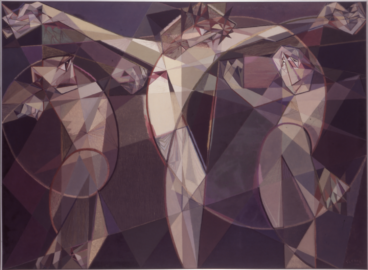
The following essay by art historian Talita Trizoli reveals the influence of a Catholic and spiritual pathos in the work of influential though relatively unknown Brazilian critic Maria Eugênia Franco. Taking as case studies Franco’s writings on artists such as Samson Flexor, Henri Michaux, and Mestre Nosa and artworks attributed to unrecognized Baroque artisans, Trizoli…