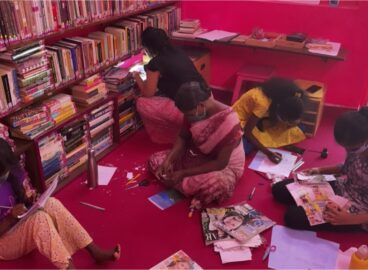
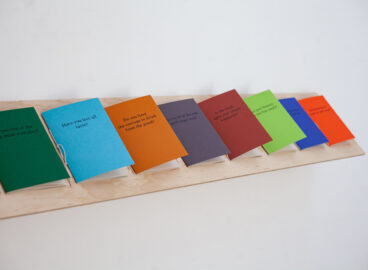
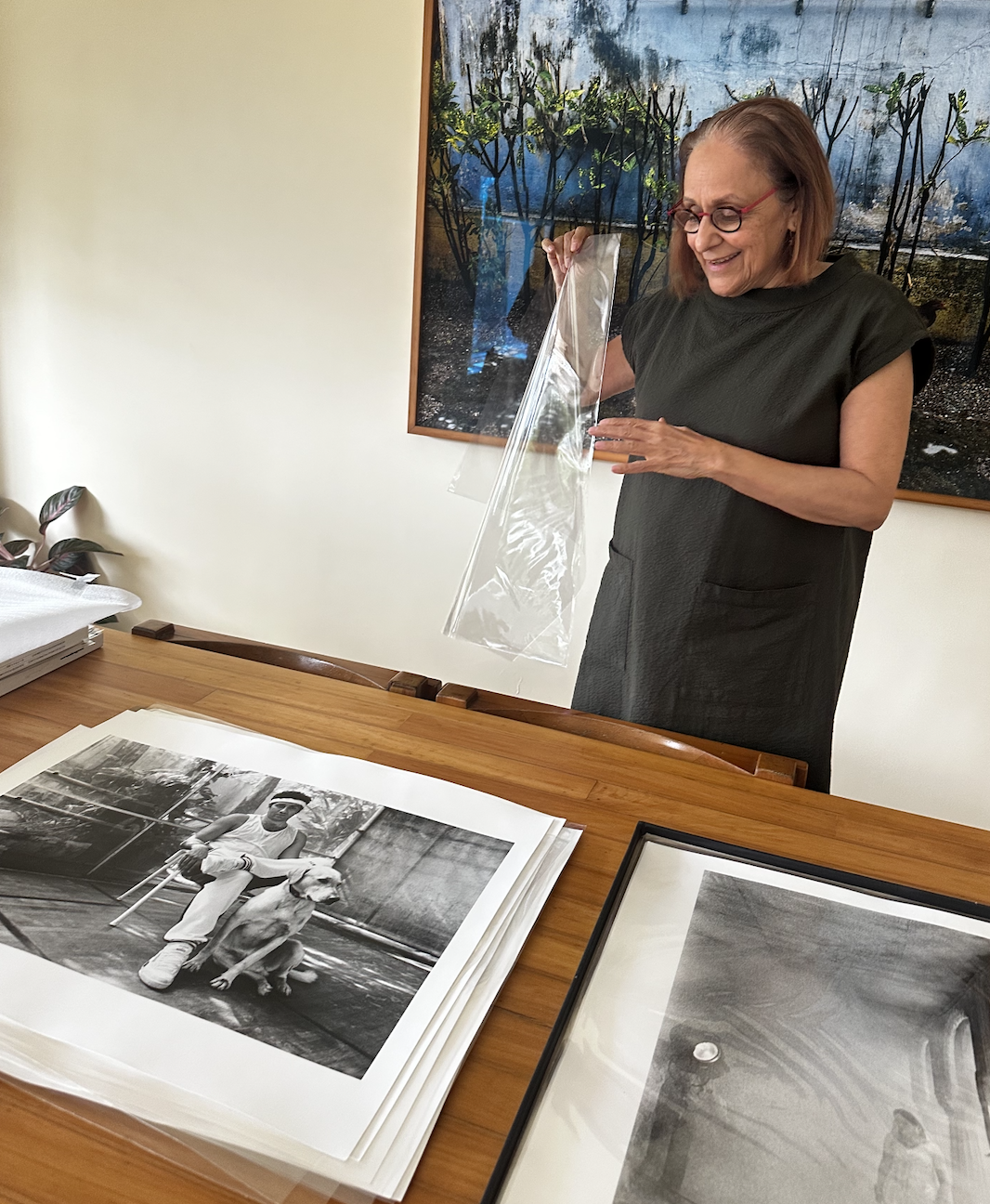
While traveling with the C-MAP Bombay/Mumbai research group this past March, MoMA colleagues Caitlin Ryan, Ananya Sikand, and I visited the home of photographer Ketaki Sheth in Malabar Hill, Mumbai, where she shared with us a project she was then in the final stages of preparing. On the apartment’s long table, she laid out recently-printed photographs that she’d shot decades earlier – between 1985 and 1993 – as a young photographer with the good fortune to have been given behind-the-scenes access within the cinema communities of Bollywood and elsewhere in India. Before leaving for college in New York, Sheth had interned at The Times of India, where she met the film critic Khalid Mohamed. When she returned to Mumbai, he was also editing the magazine Filmfare, and invited her to join him in his visits to movie sets. “The shoots were often chaotic and no one focused on me, which was a total advantage,” she recalled on the occasion of the works’ exhibition staged at her gallery, Photoink, in Delhi. Flashback is the title that Sheth has bestowed upon this body of work, and its corresponding book (the final layouts of which her husband, designer Aurobind Patel, was tweaking at his nearby computer during our visit). But for us, viewing the prints with Sheth that morning was also a flashback to the earliest weeks of the C-MAP Bombay/Mumbai group, which were dedicated to the theme of “cinematic imaginaries” in this kaleidoscopic metropolis.
The rocky peninsula of Sheth’s neighborhood sits just across the water from Marine Drive, a curved boulevard adorned with the twinkling lights of its Art Deco buildings known as the Queen’s Necklace, a sight that historian Gyan Prakash vividly conjured during his presentation for our C-MAP research group at MoMA several months earlier. This view is “a compelling image, endlessly reproduced and circulated in postcards, books, and magazines,” Professor Prakash described in Mumbai Fables (Princeton University Press, 2010), his book of essays on the city. The image of “the utopia promised by the city on the sea” was disseminated far and wide, but especially through the medium of cinema, as Prakash recalled in his session with our group, in which he described his own childhood mesmerized by movies.
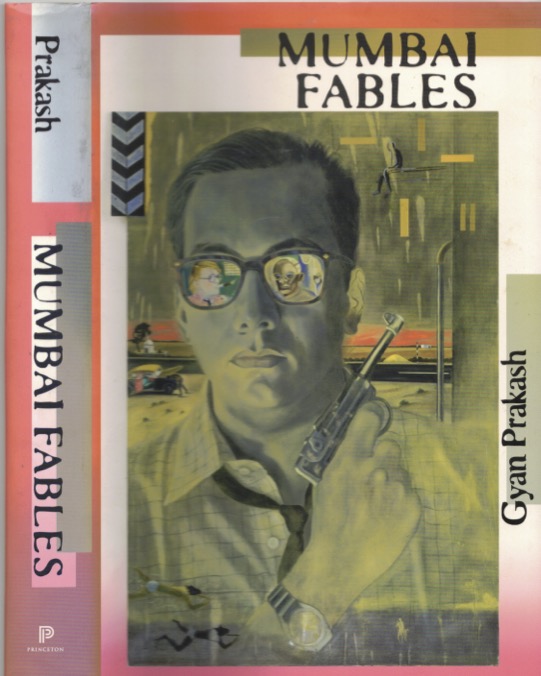
Figure 2. Gyan Prakash. Mumbai Fables. 2010 Copyright © Courtesy Princeton University Press and Gyan Prakash. Cover image: Atul Dodiya. The Bombay Buccaneer, 1994. Peabody Essex Museum
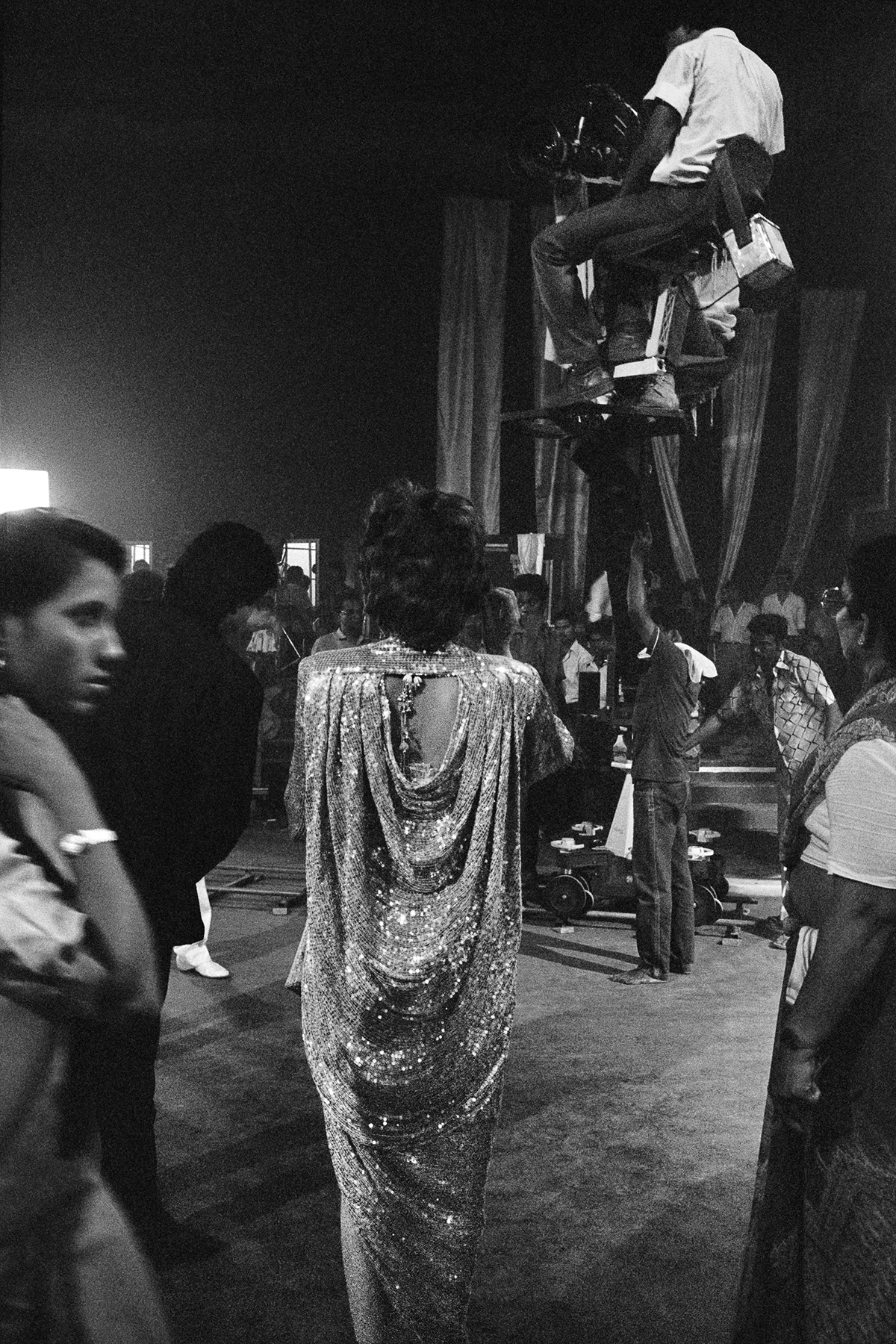
The films photographed by Sheth were often shot in another part of Bombay altogether, on the constructed sets of Film City, which had been established in the late 1970s in Goregaon East, a northern suburb of the city. Some of Sheth’s pictures pierce the screen, interrupting the otherwise flawless spectacle of the films and laying bare the various elements required for these massive projects. In one image, made in 1989 on the set of Ram Kakhan in Film City, the statuesque form of the actress Sonika Gill, seen from behind in a cascading sequined dress, is juxtaposed with another vertical component: a cameraman high on a lift.
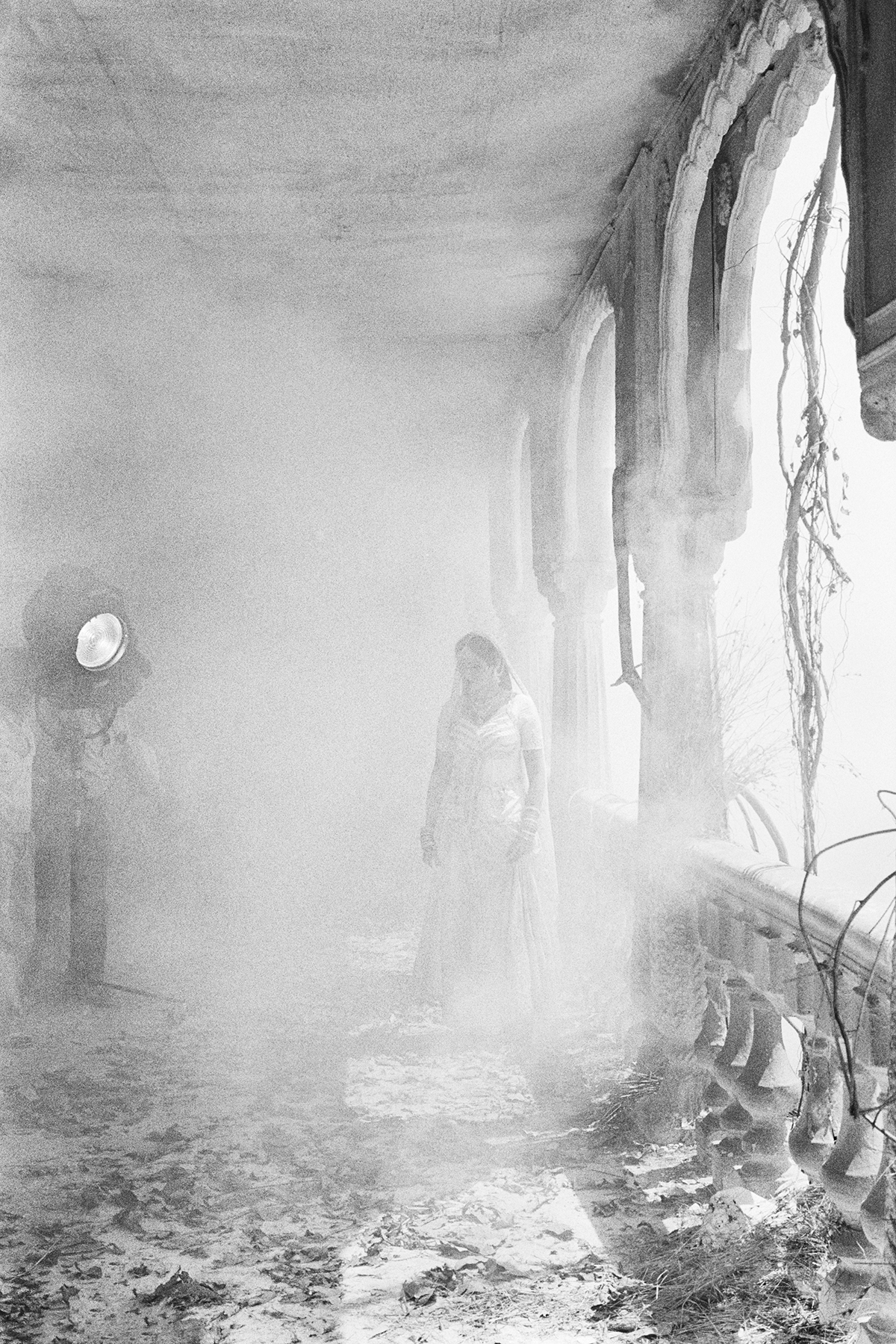
In another Film City image, Sheth photographed the superstar Sridevi in one of her best known roles, as Ragni the shape-shifting snake in the film Nagina (1986). In Sheth’s image, Sridevi stands on a balcony strewn with leaves, surrounded by an atmospheric fog, but the feeling of moody reverie is cut by the bright circle of a massive light included within the photograph’s frame.
The inclusion of these tools – and of the practitioners who expertly wield them on set – reminded me of a photograph made a half-century earlier, an evocative image with which film and media scholar Debashre Mukherjee opened her book Bombay Hustle: Making Movies in a Colonial City (Columbia University Press, 2020), an exploration of the cine-ecology of late colonial (1920s-40s) Bombay.

The photograph’s subject is a “light boy,” a “below-the-line” worker who carries and positions lights during the film shoot. With his back turned to the camera, the unnamed boy is an anonymous figure, and yet Mukherjee positions her own account from his and other cinema workers’ perspectives, situating a specific ecology within the developing film industry and its relationship with the modernizing city. During a session with the C-MAP Bombay/Mumbai group at MoMA, Mukherjee shared her research from this publication as well as another in-progress project about trans-oceanic media economies in an earlier period, tentatively titled Tropical Machines: Extractive Media and Plantation Modernity.

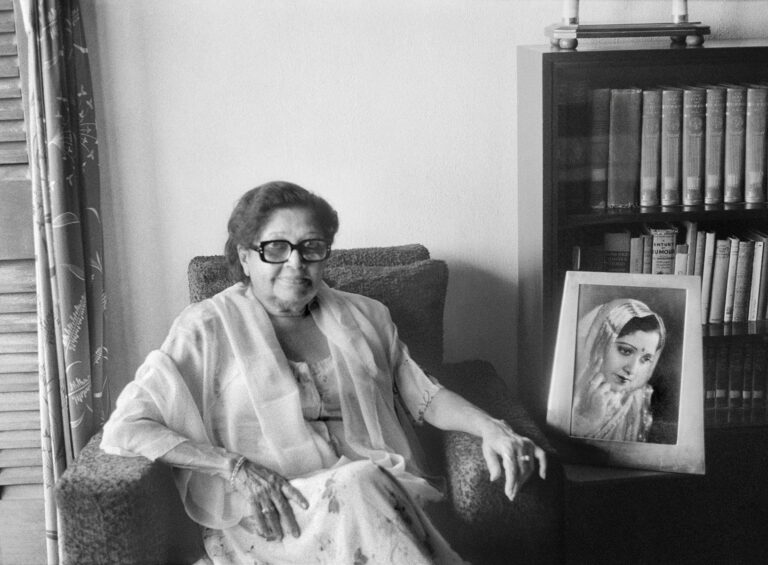
Even as Sheth was observing the exploding studio industries of Bollywood, she also photographed actresses of “yesteryear” (the term used in her captions). Zubeida, the star of India’s first “talkie,” Alam Ara (1931), and Miss Gohar (Gohar Khayyam Mamajiwala), a star of the silent film era, were both pictured by Sheth seated within their homes, with photos resting beside them like keepsakes from that past era. These quiet interior portraits carry a different energy to Sheth’s other portraits in this body of work, including a 1985 image made in the office of producer Yash Chopra in the Juhu beachfront community of Bombay. In an elegantly decorated room, in which the repeating sinuous forms of Filmfare Award trophies line a shelf, Sheth brought her camera low to the floor, a vantage well-suited to capturing the towers of film canisters stacked next to the oversized furniture, behind which Chopra himself can be seen at his desk, gesturing dramatically with a flourish of extended fingers.
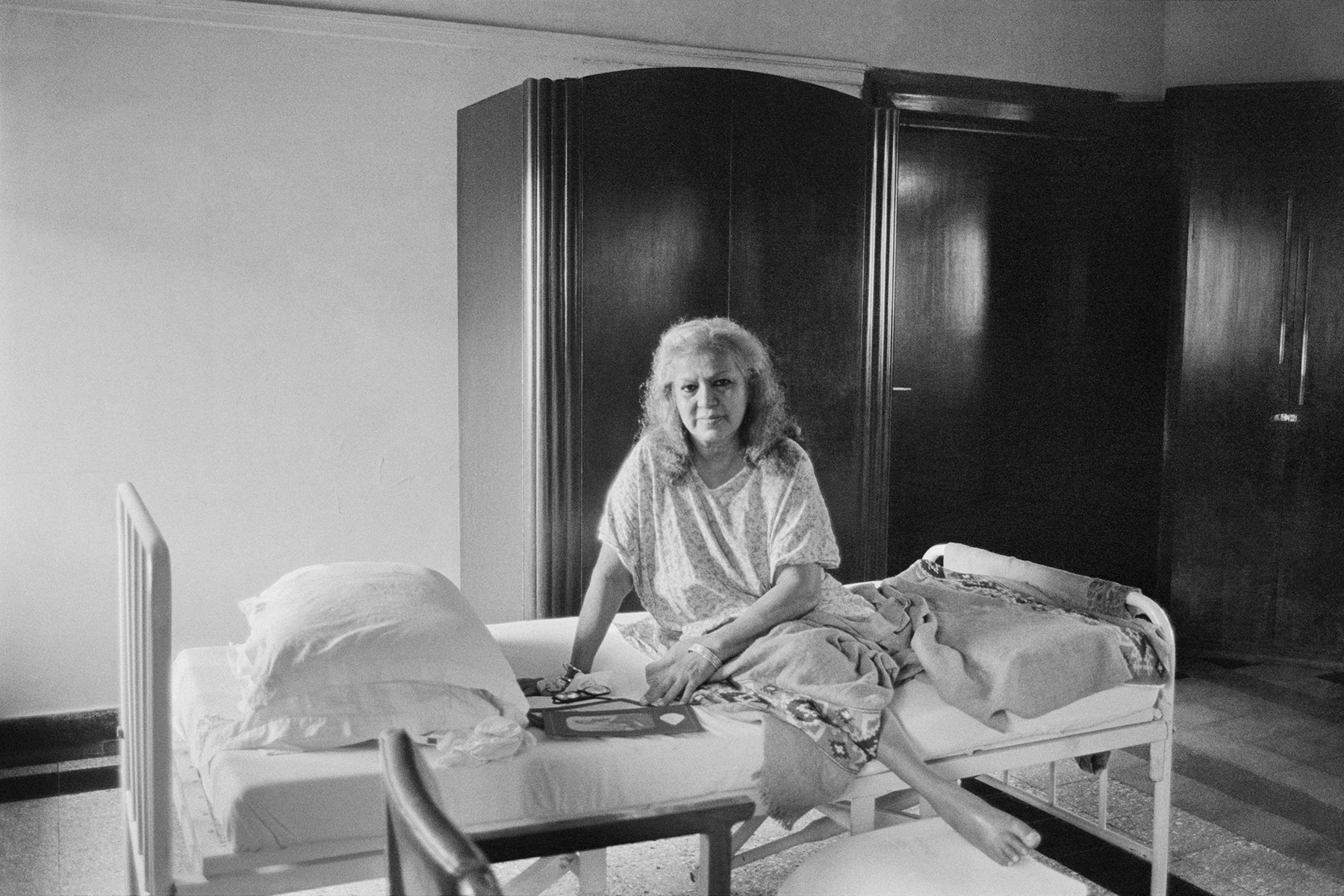
Figure 7. Ketaki Sheth. At home with Zubeida, yesteryear star of the first talkie Alam Ara, Bombay, 1986. Gelatin silver print with selenium toning, 24”× 20” (50.8 × 61 cm). Photograph courtesy Ketaki Sheth & PHOTOINK
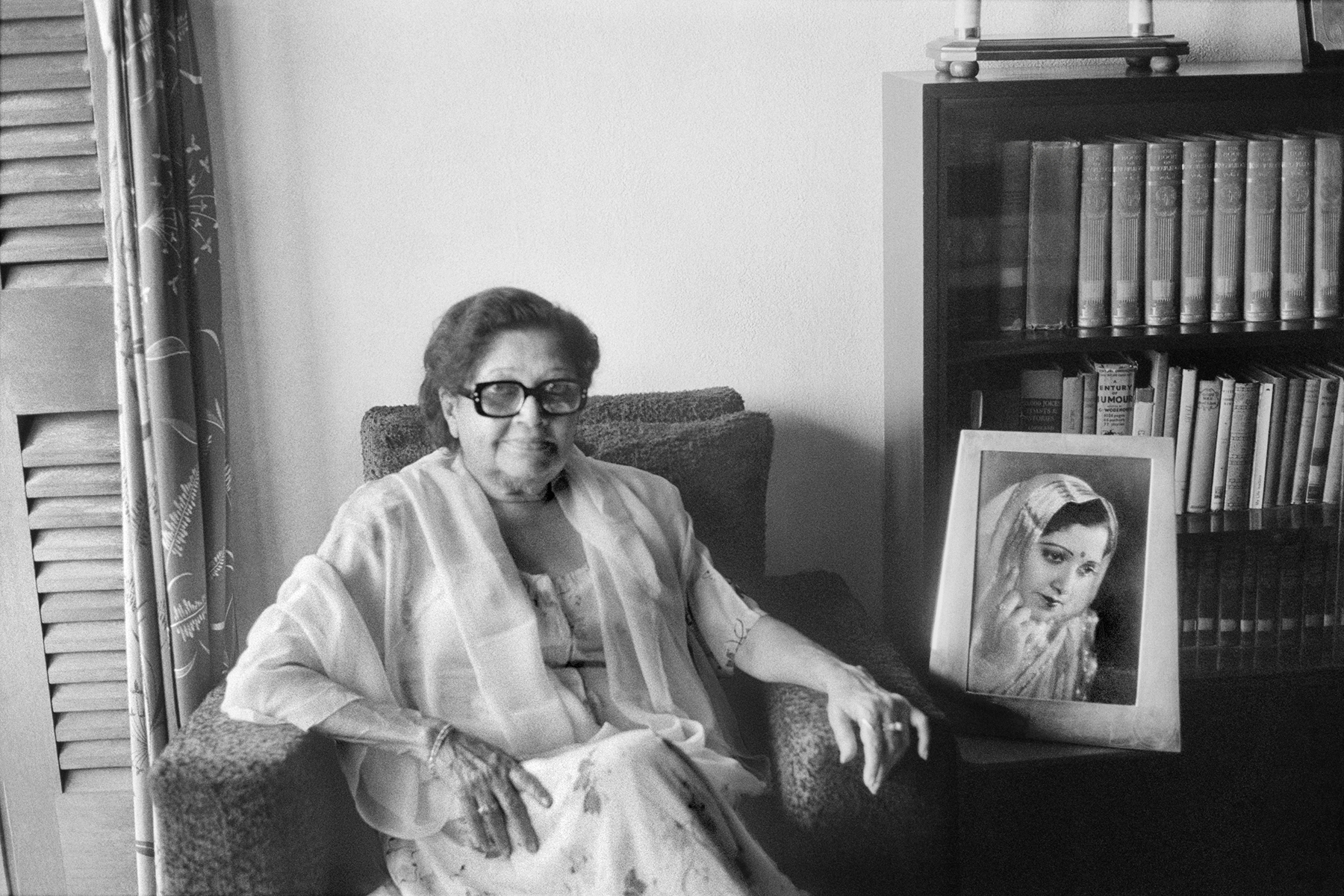
Figure 8. Ketaki Sheth. At home with yesteryear star Miss Gohar, heroine of the silent film era, Bombay, 1985. Gelatin silver print with selenium toning, 24”× 20” (50.8 × 61 cm). Photograph courtesy Ketaki Sheth & PHOTOINK
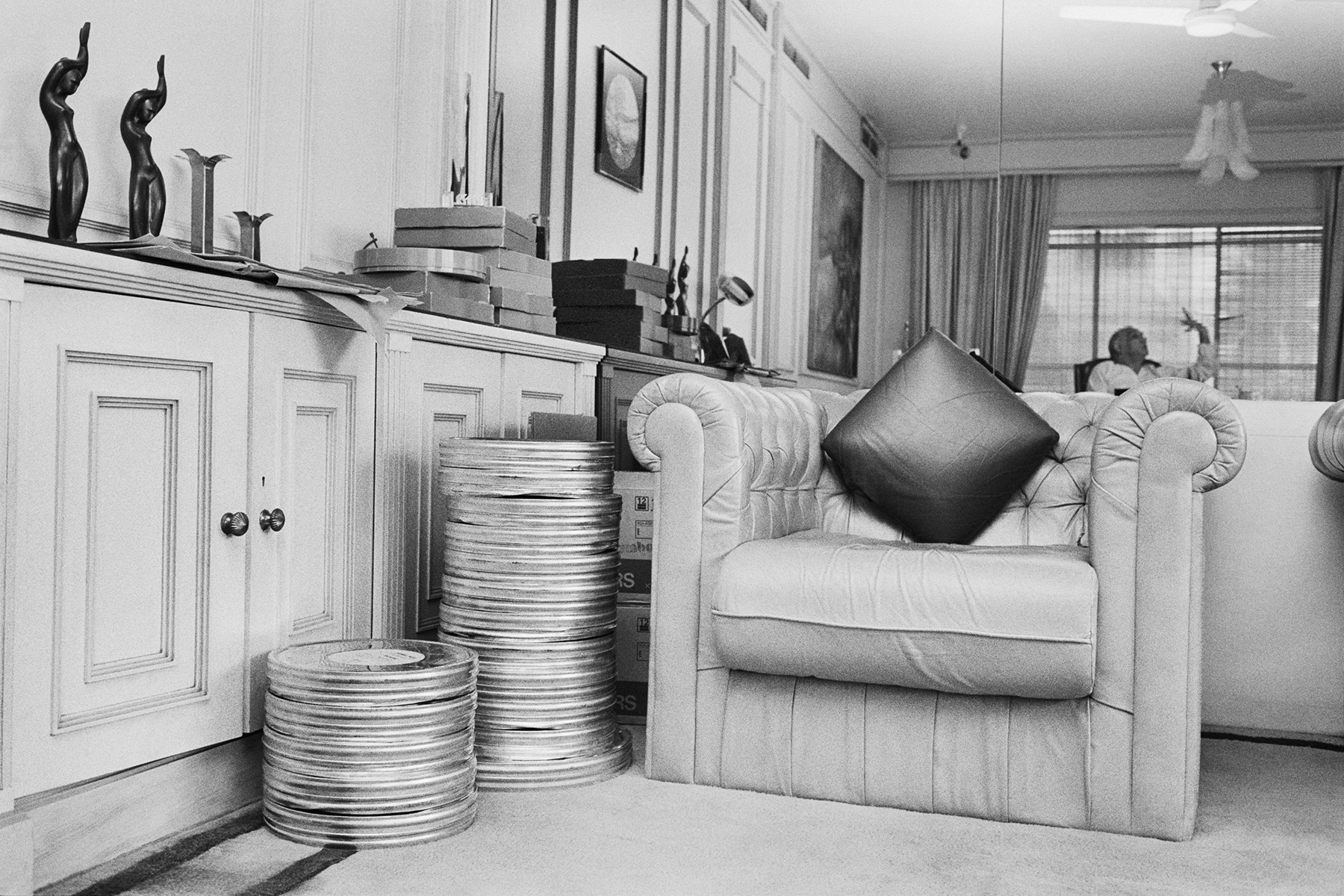
Figure 9. Ketaki Sheth. Movie mogul Yash Chopra in his office, Juhu, Bombay, 1985. Gelatin silver print with selenium toning, 24”× 20” (50.8 × 61 cm). Photograph courtesy Ketaki Sheth & PHOTOINK
In several of her pictures, Sheth makes clever use of mirrors, both on-set and in the private spaces of Bombay’s cinema stars. In a photograph shot in a green room of the now-shuttered Famous Studios, the actress Ashwini Bhave readies herself for the camera while also confronting her image in multiple perspectives via the trifold mirror atop her wardrobe vanity. On the outdoor set of the action film Akayla (1991) at Film City, Sheth crafted a composition in which multiple arms reach in from all directions toward Actor Jackie Shroff, one holding a handheld mirror in front of this face, though its reflective surface is inexplicably reversed, breaking the frame by exposing Sheth’s lens back to the viewer. Sheth also visited actors and actresses in their homes, where she captured them vamping for their own mirrors in much the same way they would for the camera, like a portrait of then-aspiring actress Suparna Anand, who posed for the picture like an odalisque in her bedroom in Bombay’s Bandra neighborhood.
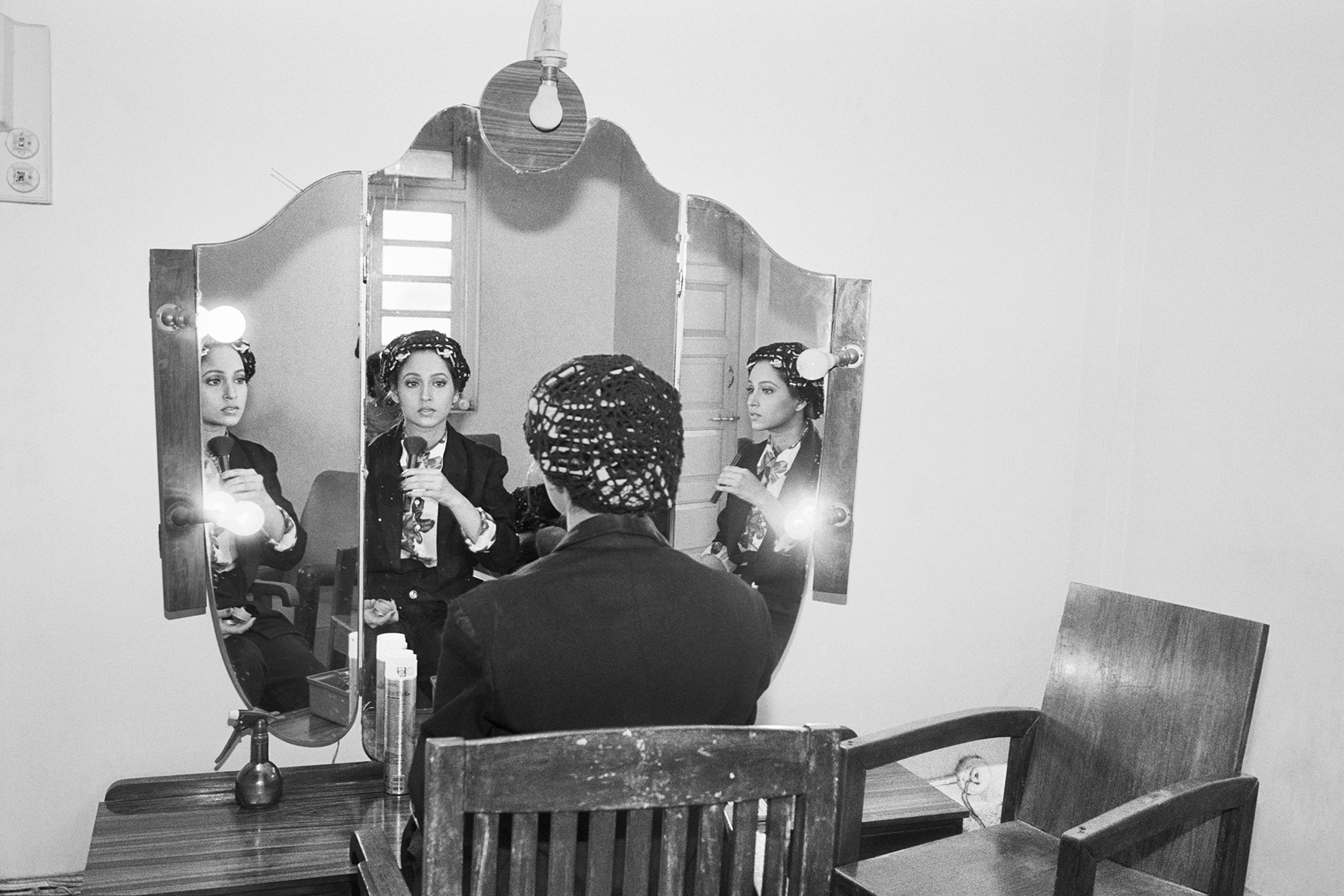
Figure 10. Ketaki Sheth. In the green room with actress Ashwini Bhave on the set of Parampara, Famous Studios, Bombay, 1991. Gelatin silver print with selenium toning, 24”× 20” (50.8 × 61 cm). Photograph courtesy Ketaki Sheth & PHOTOINK
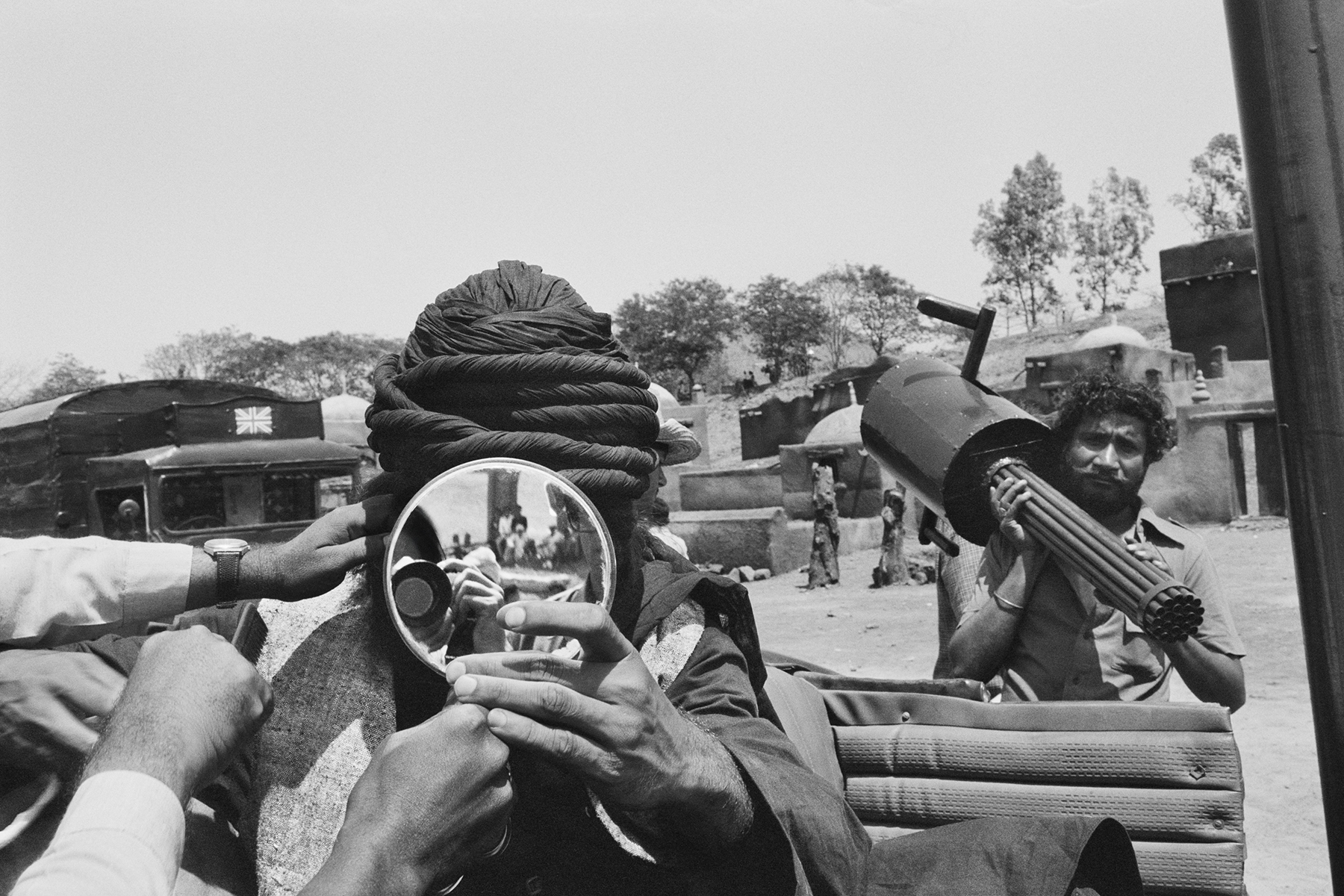
Figure 11. Ketaki Sheth. Actor Jackie Shroff on the set of Akayla, Film City, Bombay, c. 1991. Gelatin silver print with selenium toning, 24”× 20” (50.8 × 61 cm). Photograph courtesy Ketaki Sheth & PHOTOINK
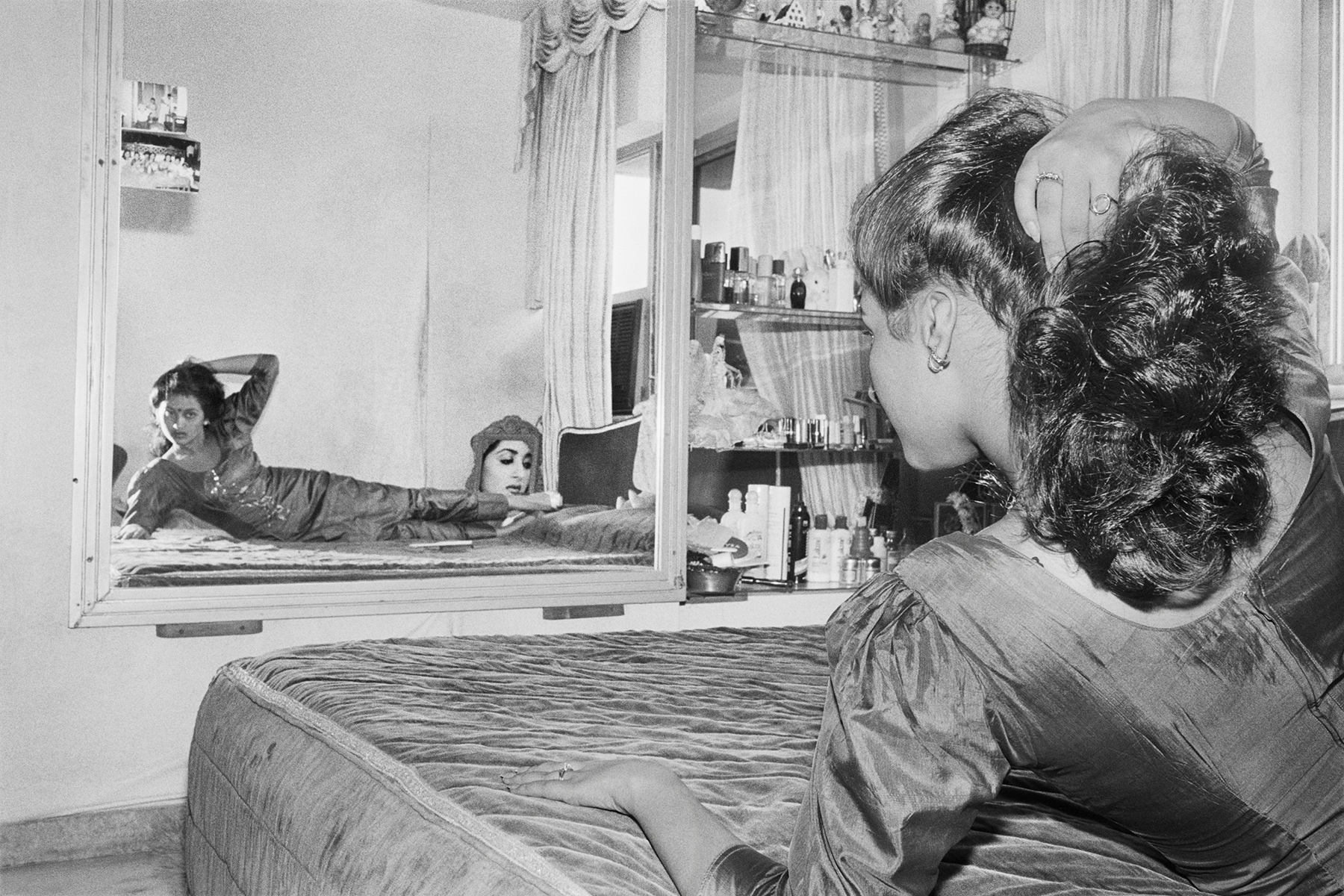
Figure 12. Ketaki Sheth. Aspiring actress Suparna Anand in her bedroom, Bandra, Bombay, 1988. Gelatin silver print with selenium toning, 24”× 20” (50.8 × 61 cm). Photograph courtesy Ketaki Sheth & PHOTOINK
During the “cinematic imaginaries” segment of our C-MAP group, we also had the opportunity to meet with artist Pushpamala N, whose nine-photograph work The Navarasa Suite (2003), from the series Bombay Photo Studio, are currently on view at MoMA in Gallery 205: Staging Selves. Pushpamala staged her photographs not on movie sets themselves but instead within the rooms of the legendary India Photo Studio, which was founded in 1948 by photographer J. H. Thakker and situated next door to the Chitra Cinema studio in Dadar, Bombay. In the 1950s and 60s, Thakker’s photographic studio was a hub for stars of Hindi Cinema, and the images made there became recognizable presentations of this “golden age.” In Pushpamala’s description, Indian cinema of this era, “both created and recorded the country’s modernity.” For her series, Pushpamala utilized the entire mise-en-scene of Shakker studio – its props, costumes, and techniques (including his signature chiaroscuro lighting) – to capture herself in guises representing the nine rasas, or moods, of Indian classical art.
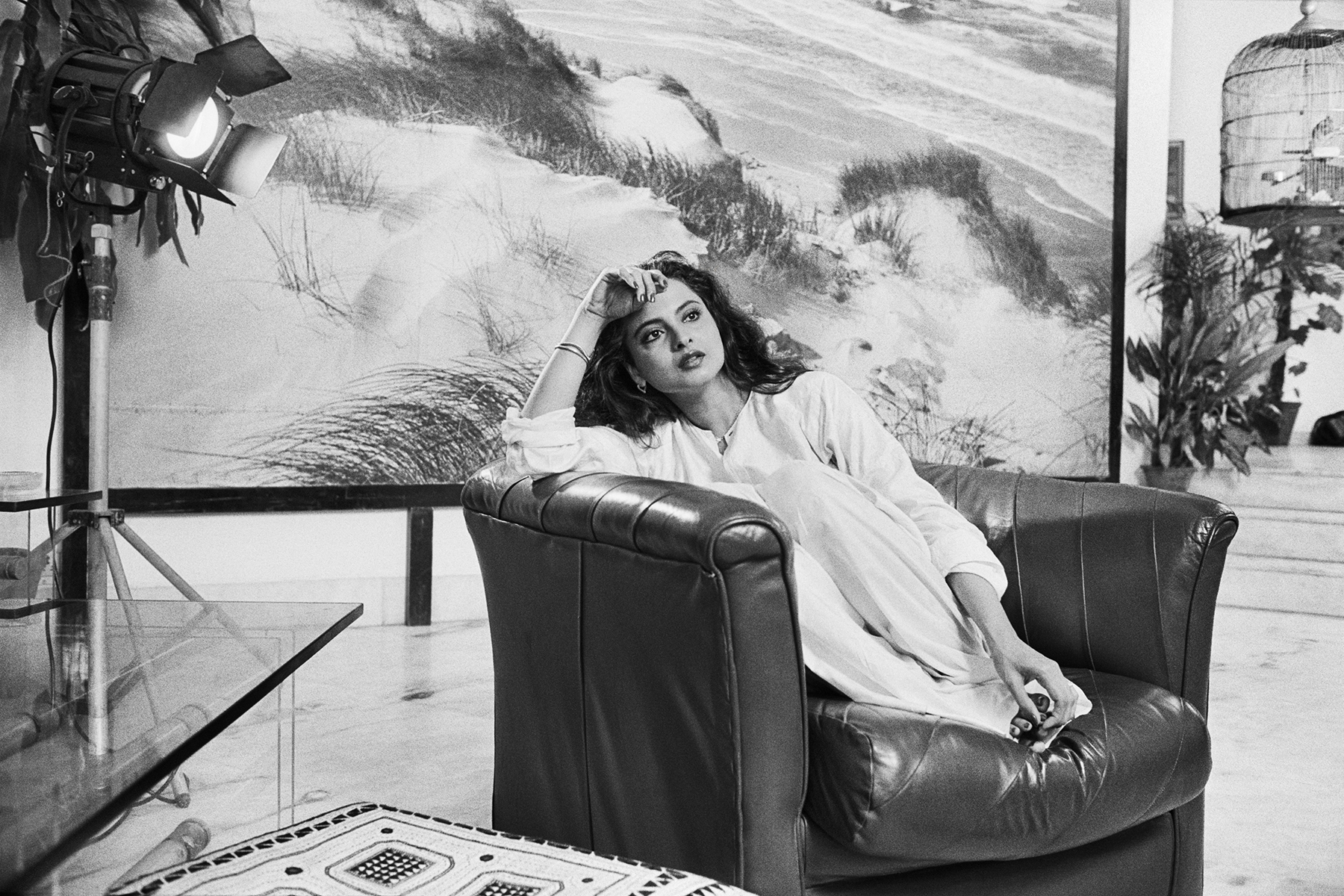
Figure 13. Ketaki Sheth. Superstar Rekha on the set of Souten ki Beti, Juhu, Bombay, 1988. Gelatin silver print with selenium toning, 24”× 20” (50.8 × 61 cm). Photograph courtesy Ketaki Sheth & PHOTOINK
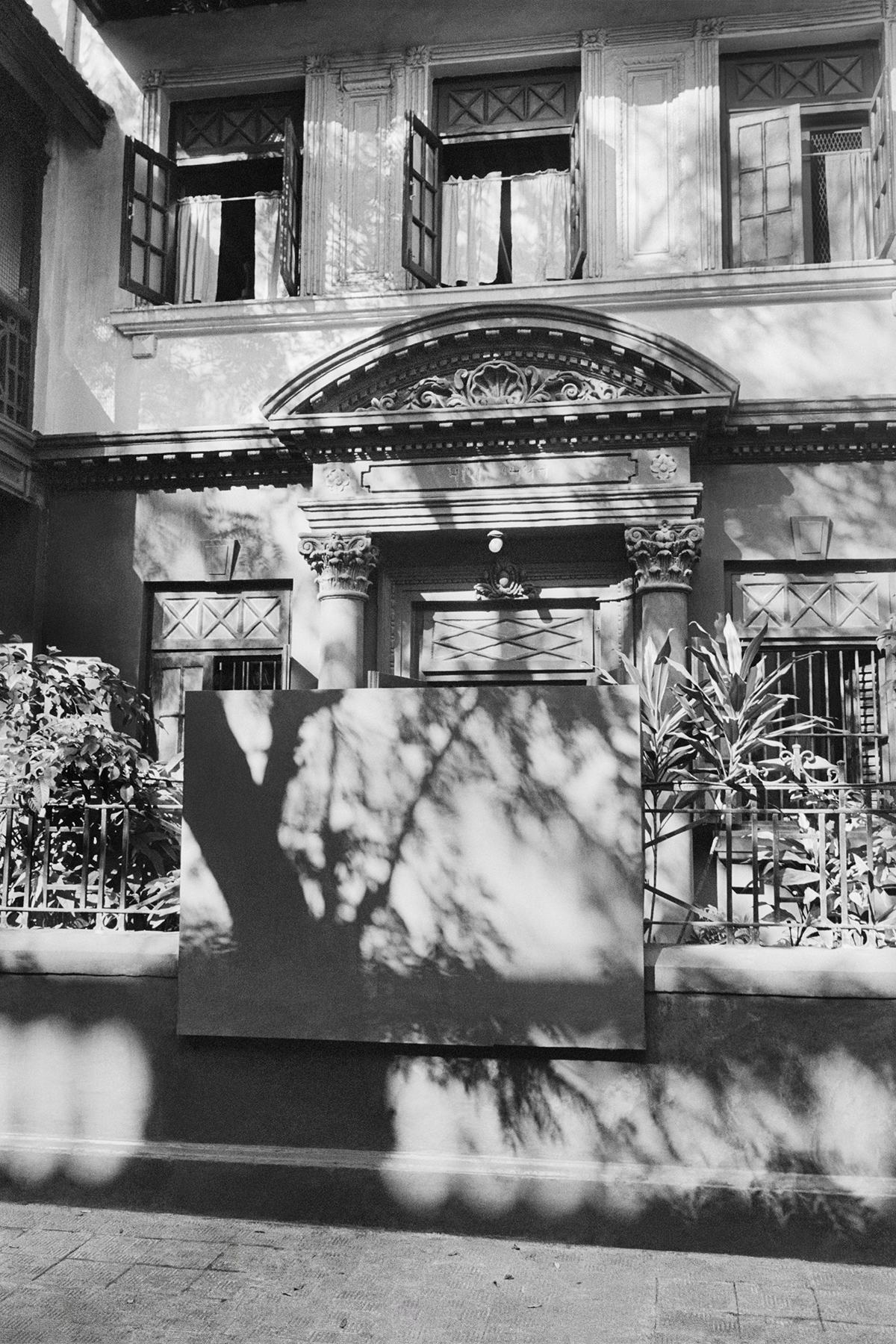
Figure 14. Ketaki Sheth. On the set of Dr. Babasaheb Ambedkar, Mani Bhavan, Bombay, c. 1995. Gelatin silver print with selenium toning, 24”× 20” (50.8 × 61 cm). Photograph courtesy Ketaki Sheth & PHOTOINK.
Sheth’s photographs from Flashback, by contrast, are typically impromptu snaps rather than elaborately-staged compositions. (“I think when you are a fly on the wall, as I was most of the time, you seize the moment,” she reflected in a recent interview.) Yet they too comment on the constructed environments of cinema. In a picture made on the set of the film Souten ki Beti (1989) in Juhu, Sheth found the superstar actress Rekha reclining in an armchair with a spotlight angled in her direction. Behind her stands a large horizontal screen printed with an image of sand dunes and grasses, giving the sense that this is just one of many surfaces that make up a cinematic scene. A preoccupation with the cinema-as-image emerges even at the set of a film shot on the streets of the city itself, such as the government-funded biopic Dr. Babasaheb Ambedkar, which included scenes filmed on location at Mani Bhavan, Gandhi’s headquarters in Bombay and the site of his meeting with Ambedkar in 1931. In a photograph by Sheth, the shadows of a neighboring tree are cast across a rectangular board that has been installed, like a screen, on the wall in front of the building’s door. Looking at this picture now, I am struck by how it underscores cinema’s view of the city as a sequence of images. And yet, the site where it was photographed is still accessible today, a short walk through the neighborhood from Sheth’s own home, where we gathered to look at her pictures one sunny morning.
The 2026 C-MAP Bombay trip was organized and researched by Ananya Sikand (C-MAP Bombay/Mumbai Fellow). The 2024–2026 Bombay/Mumbai research program was conceived and organized by Ananya Sikand and Lucy Gallun (Curator, The Robert B. Menschel Department of Photography). Read more about C-MAP here.