Rattanamol Singh Johal is an art historian and curator, specializing in the art of South Asia and its diasporas in the twentieth and twenty-first centuries. His research seeks to develop a history and genealogy of experimental, lens and time-based art emerging in India in the final decades of the twentieth century. His current book project, Forms of Despair, studies transformations in practice as metropolitan artists of a certain social class and generation were confronted with the limitations and failings of their postcolonial, cosmopolitan imaginaries. The period in question – from the mid-80s to the early 2000s – is marked by state-sanctioned economic liberalization, an eruption of identity and religion-based politics, a grave escalation of violence against minorities, and conflicts over indigenous rights, labor, property, and the environment. Johal’s study shifts the narrative away from an unquestioning celebration of the proliferation of so-called new media art across the Global South, providing a situated understanding of shared aesthetic and political stakes, conditions of possibility, and circumstances of production. More broadly, his research focuses on questions of periodization and artistic generation in postcolonial contexts.
Between 2016 and 2024, Johal occupied various positions at The Museum of Modern Art (MoMA) in New York, most recently serving as Assistant Director of the International Program. At MoMA, he worked on the global research initiative, C-MAP, the online research platform, post, and the Primary Documents publication series. He co-organized the exhibition, Video After Video: The Critical Media of CAMP (2025) and its accompanying conference, CAMP Study Day, and was a member of the curatorial team for Signals: How Video Transformed the World (2023). He also co-chaired the Museum’s Contemporary Working Group (2023-24) and, in this capacity, co-organized the collection displays Staging Selves (2024-27) and War Remembers Me (2024-25).
Johal curated the exhibition, Homage: Queer Lineages on Video (2025) at the Wallach Art Gallery of Columbia University, and serves as co-convener and moderator of the Experimenter Curators’ Hub (2025-) in Kolkata, India. He was previously a fellow at the Tate Research Centre: Asia (2018), curator at Khoj International Artists’ Association in New Delhi (2011-2013), and is an alumnus of the Whitney Independent Study Program (2016-17).
Gulammohammed Sheikh (b. 1937) is an artist, pedagogue, and writer known for his prolific career across practices that include curating and publishing. Sheikh taught art history and painting at the Faculty of Fine Arts at the Maharaja Sayajirao University of Baroda—the foremost institute for avant-garde practice during the post-Independence period—for almost three decades, spearheading an…
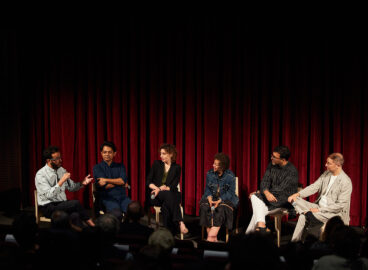
These presentations and panel discussion at MoMA brought together four filmmakers and artists who work in expanded documentary modes, using existing footage, archival research, interviews, and scripted narratives to produce imaginative accounts of transnational struggles, solidarities, and interventions. Using moving images, some of these practitioners interrogate the anti-colonial and anti-imperialist movements of the mid-late 20th…
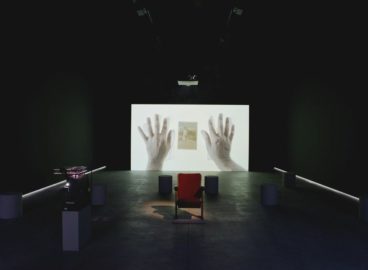
What is historicized, how is it recorded, and who determines and controls these seemingly unyielding criteria? Invoking multiple media apparatuses and deriving its title from a rumor, Akram Zaatari’s Letter to a Refusing Pilot (2013) undercuts the hegemonic and umbilical ties of media and history.
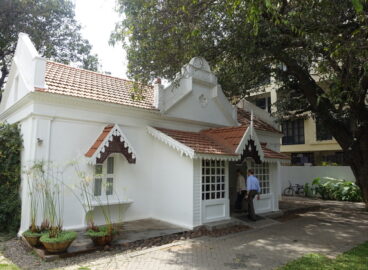
In late January 2016, a team of seven from The Museum of Modern Art’s C-MAP Asia Group traveled to India and Bangladesh. The itinerary began in New Delhi, where the India Art Fair was underway, continuing on to Goa and Bangalore (with side-trips to Baroda and Bombay by individual group members), and concluding in Dhaka…