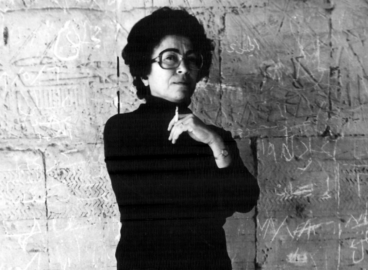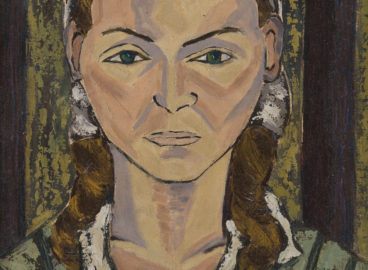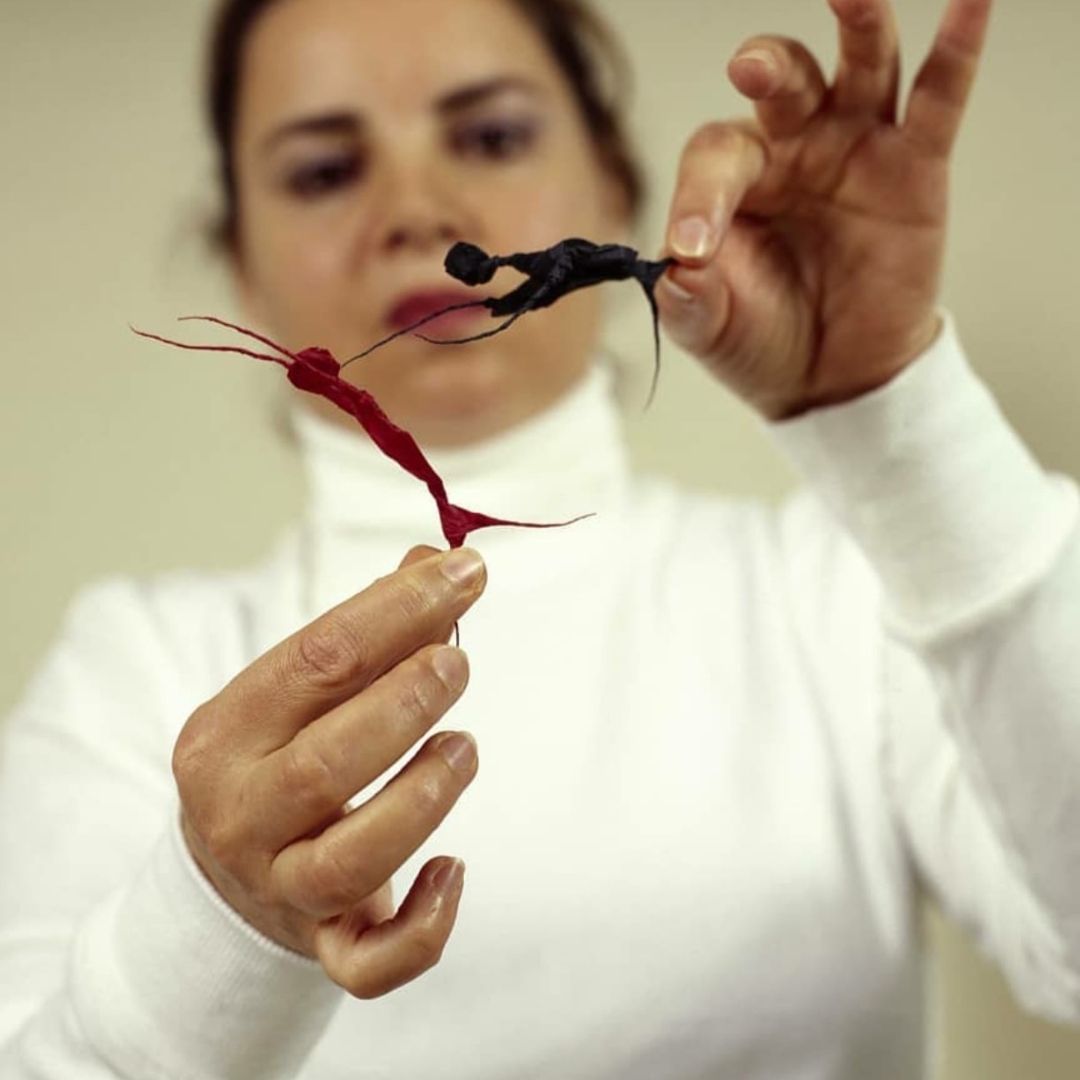
Figure 1. Fatma Charfi holding two Aberics, 2002. Photographer: Driss Manchoube. Courtesy the Fatma Charfi Estate
The story of how Fatma Charfi’s Aberics came into being exudes a mythological aura. Referred to collectively by the artist as Aberics and individually as Abrouc (fig. 1), the twisted-paper figurines are signature elements that became central components in her work through grief: Watching the horrors of the Persian Gulf War (1990–91) unfold on her television in Switzerland, she began twisting the tissues she had used one after another to dry her tears until the tissue box was empty.1Handwritten note, n.d., in digital folder “Archive Fatma 2000–2003.pdf,” p. 20, Fatma Charfi Estate, unprocessed personal archive hereafter FCE. The note reads: “Abrouc; is one Abrouc. Aberics: many abrouc.” Abrouc in a Tunisian dialect spoken by Charfi’s family denotes someone resourceful, cunning, or street-smart. However, the Abrouc had already begun to take shape well before this moment.2Ester Adeyemi, Fatma Charfi M’Seddi, exh. cat. (Frauen-Kunstforum, 1995), 3; and Lamia Balafrej, “Fatma Charfi,” Dictionnaire universel des créatrices, accessed July 19, 2026, https://www.dictionnaire-creatrices.com/fiche-fatma-charfi?q=Fatma+CHARFI&u=kiosk. Both sources note that the Abrouc emerged during the artist’s time at the University of Geneva, where she attended textile art classes (c. 1990–91). However, this chronology is complicated by the artist’s own accounts. See interview with Fatma Charfi, October 1993, audio recording from unidentified radio broadcast produced on the occasion of the artist’s exhibition at Galerie Yahia, Tunis, FCE; and handwritten notes, n.d., in “Archive Fatma malette noire.pdf,” p. 6, ibid. In the 1993 interview, the artist suggests that the figure appeared several years earlier, while her notes indicate that it emerged following a trip she took to southern Tunisia in the early 1980s. Charfi recalled, “I found this character and then set it aside, knowing I’d come back to it when the moment was right.”3Interview with Charfi. Unless otherwise noted, all quotations from Fatma Charfi have been translated by the author. The Gulf War did not invent the Abrouc so much as call it forth. “Crumpling, rolling, nervously twisting paper in front of the screen,” she has said, was “all I could, and all I allowed myself to do, during the Gulf War.”4“Froisser, rouler et tordre nerveusement du papier devant la télévision, voici tout ce que je pouvais et me permettais de faire pendant la guerre du Golfe.” Typescript note signed “Fatma Charfi M’Seddi,” n.d., in “Archive Fatma.pdf,” p. 6, FCE.
Charfi was in the process of preparing an application for the 15th International Biennial of Contemporary Textile in Lausanne when images of the Gulf War brought her a sudden clarity. Watching the Aberics multiply across her apartment floor, she understood: “This was it. I would take part in the Biennial and present these small figures.”5Interview with Charfi. The 1992 Lausanne Biennial became Charfi’s career breakthrough. There, she presented Golfe (Gulf, 1991; fig. 2), an installation consisting of a 4-by-3-meter Plexiglas bin filled with white marble powder, upon which she laid hundreds of small black Aberics crafted from stained-and-twisted silk paper. The Gulf War had, in just two years, claimed more than 3,000 Iraqi civilian lives and far more military personnel. Golfe emerged from a double urgency: to respond to the war and to reckon with the politics of visibility that determine what is seen and what is systematically withheld. Television, Charfi felt, was not showing the full weight of the dead. “What wasn’t visible on television, I could feel and see in my own hands.”6Interview with Charfi.
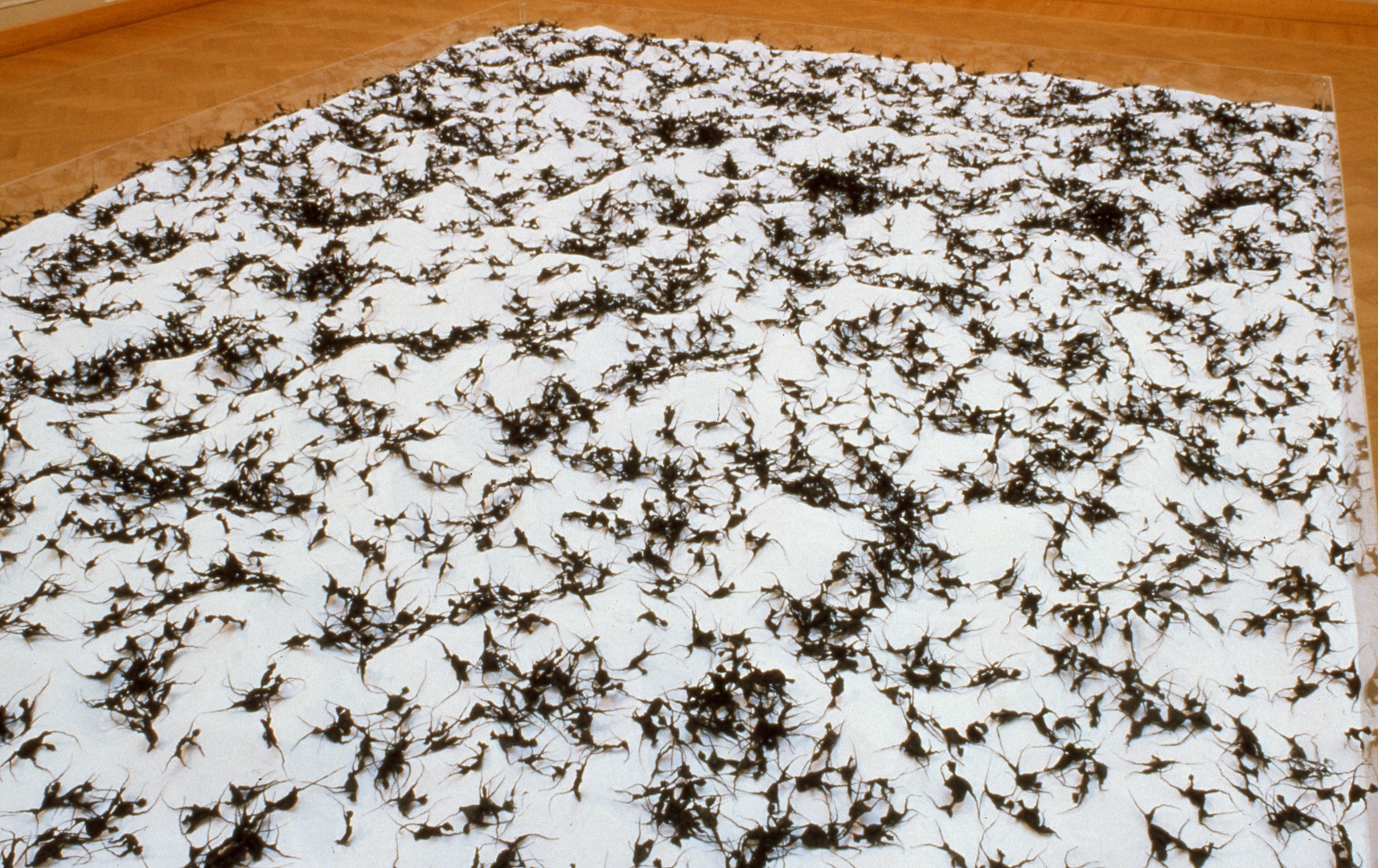
Figure 2. Fatma Charfi. Golfe (Gulf). 1991. Silk paper, ink, and marble powder, 5 7/8″ × 13′ 1 1/2″ × 9′ 10 1/8″ (15 × 400 × 300 cm). CITAM Archives, Fondation Toms Pauli Lausanne / Lausanne City Archives
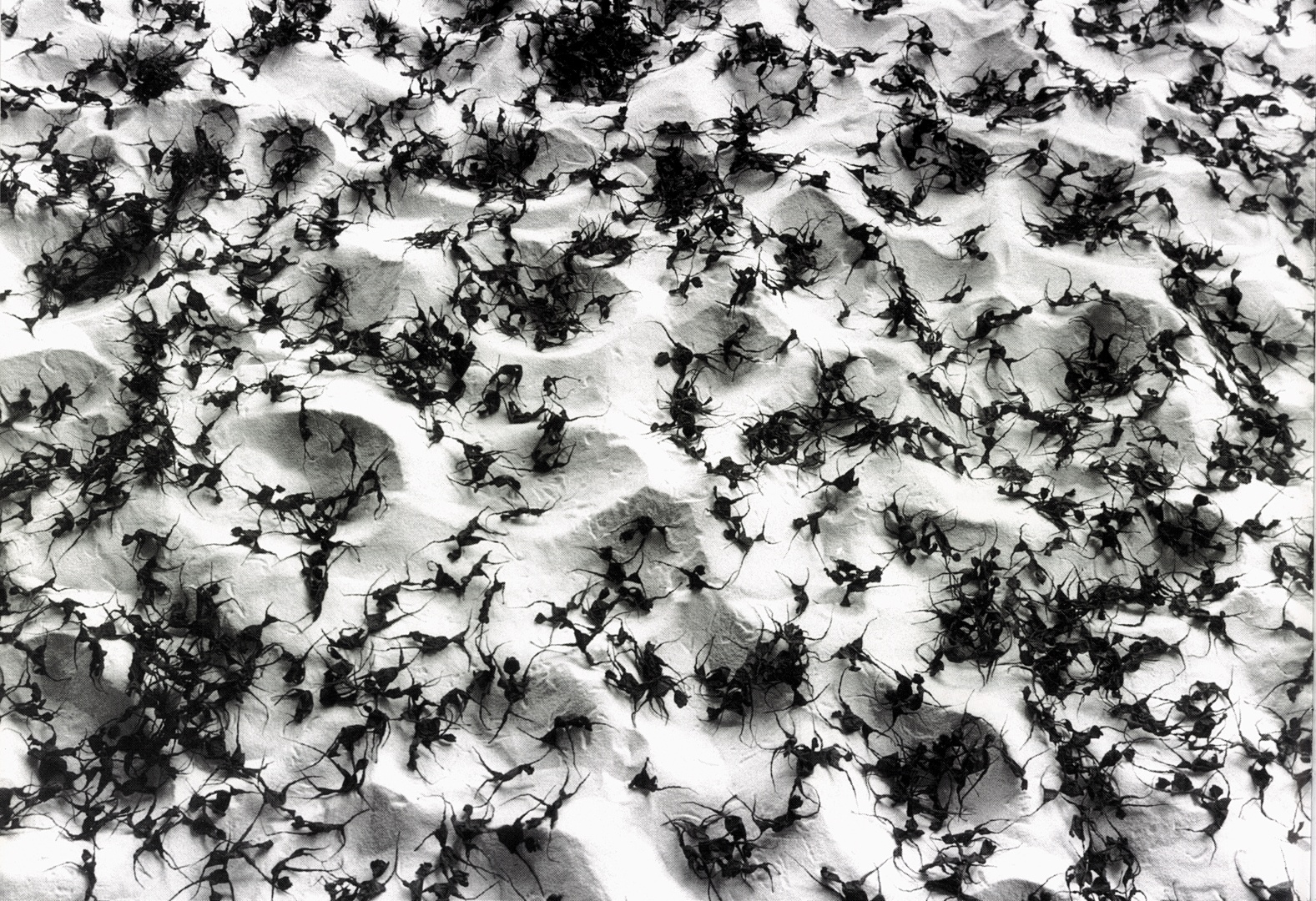
Figure 3. Fatma Charfi. Golfe (Gulf) (detail). 1991. Silk paper, ink, and marble powder, 5 7/8″ × 13′ 1 1/2″ × 9′ 10 1/8″ (15 × 400 × 300 cm). Photo: Georg Anderhub. Courtesy the Fatma Charfi Estate
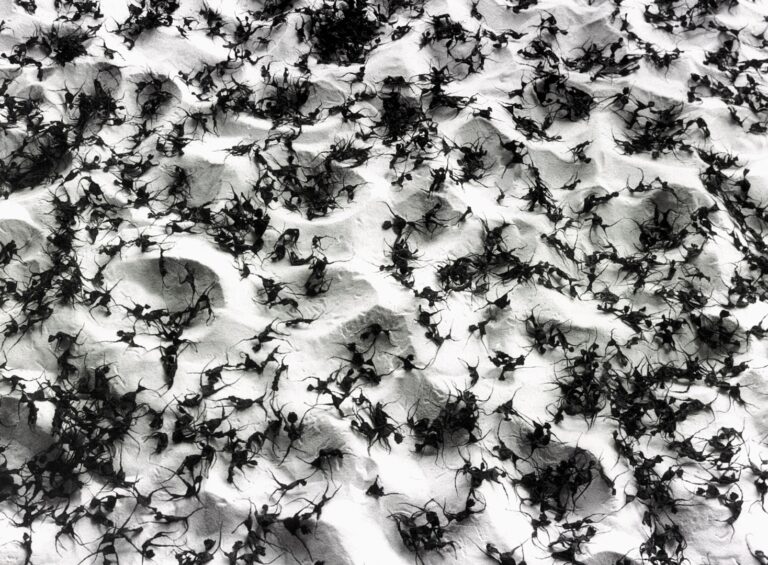
In Golfe, that moment of realization is transposed into form. Charfi chose the color black for the Aberics because it rendered them anonymous, as these were, she said, “charred figures, after all.”7Interview with Charfi. The length and width of the Plexiglas bin mirror the standard aspect ratio of televisions of the time, while the white marble powder, chosen for its luminosity and texture, evokes both television-screen grain and the pale desert terrain of southern Iraq, where ground operations were concentrated. One could argue that seen from above, Golfe resembles a frozen broadcast of an explosion’s aftermath. Only upon closer inspection do the individual Aberics emerge, scattered across the white expanse (fig. 3). Golfe operates as a still image in deliberate tension with the moving ones that circulated during the war, reading as a call to pause, to mourn, to resist the constant flow of the news cycle. Yet in rendering the figures anonymous and the scene faintly surreal, the work also unsettles that very impulse toward empathy. The sorrow it provokes is real, but it attaches to no one in particular, dissolving into the same endless, faceless current of alarming news that the installation sets out to call out.
The anecdote regarding the creation of Golfe offers a glimpse into the artist’s temperament, which is inseparable from the work itself. Charfi was acutely sensitive to the violence that humans inflict upon one another. Those who knew her recall an intense, at times fiery presence, whose response to the world translated into an almost obsessive engagement with her practice, particularly in her treatment of the Aberics.8Nabil M’Seddi, Aïcha Gorgi, and Zineb Sedira, interviews by author, 2026, 2024, and 2026, respectively. This same passion propelled a sustained pursuit of formal, technical, and conceptual freedom. As she put it, “The character adapts to all situations, all techniques; it allows me to pursue very different projects. The structure of the Aberics gives me freedom.”9Fatma Charfi, typescript of interview by J. Posse-Murgui, “Questions à l’artiste,” n.d., in “Archive Fatma.pdf,” p. 2, FCE.
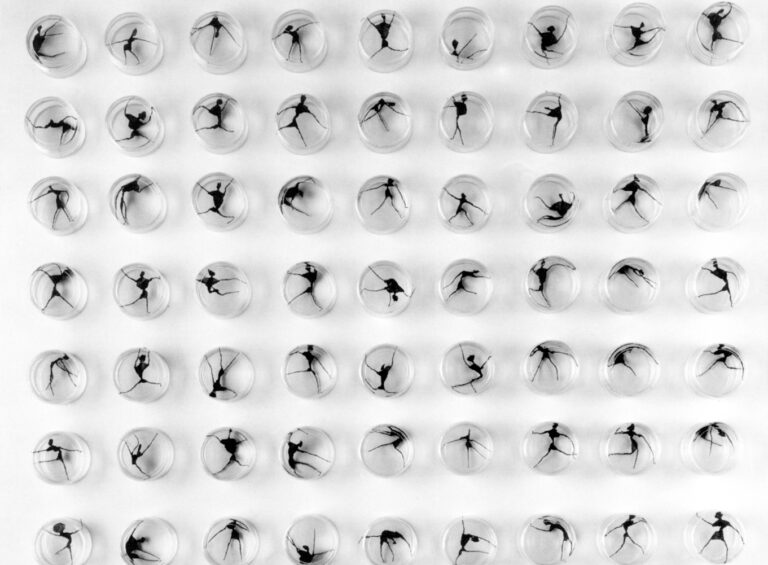
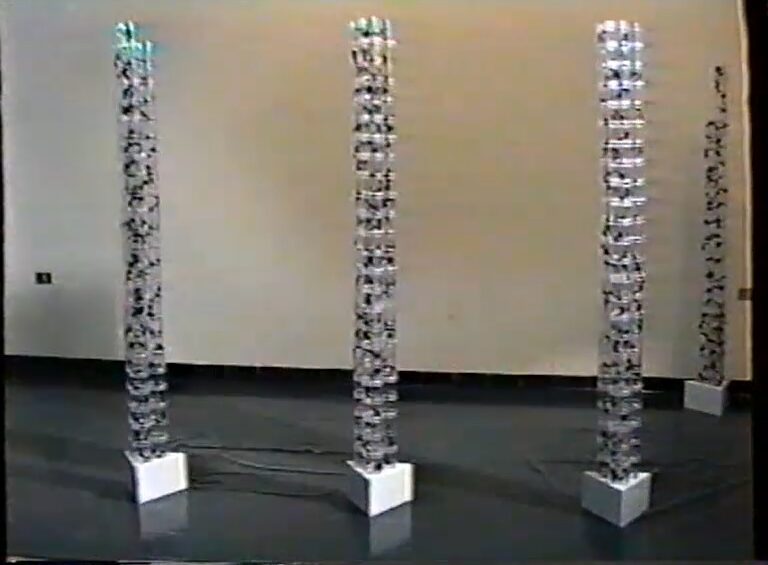
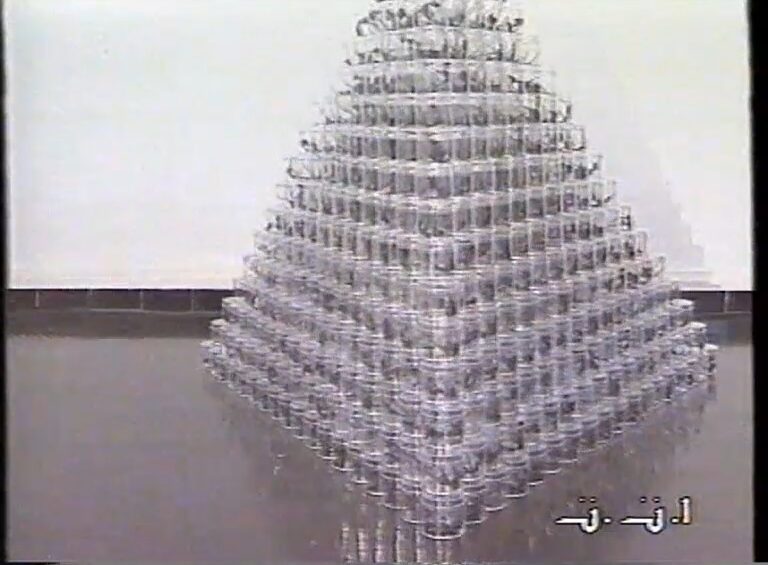
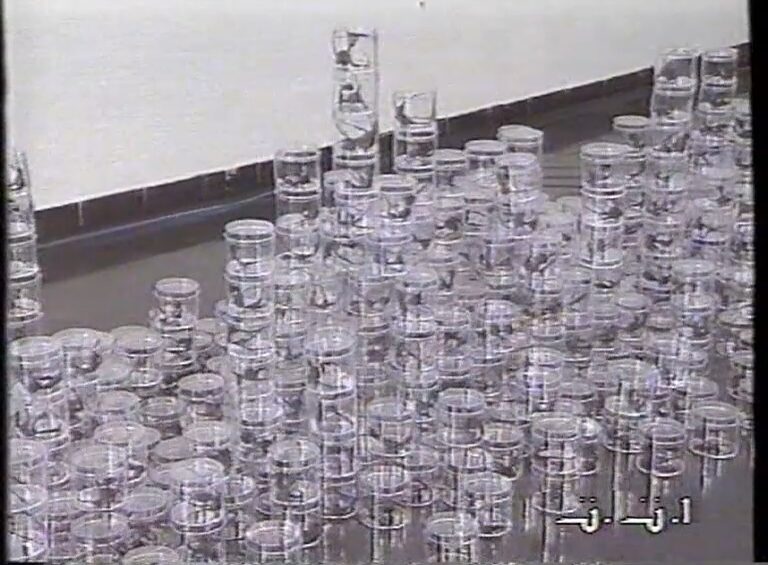
A year after presenting Golfe in Lausanne, Charfi held her first survey exhibition in Tunisia, her country of birth, at the state-run Galerie Yahia in Tunis. Bringing together nine works, the show announced both the persistence of her engagement with the Abrouc and her extraordinary fluency across techniques. Alongside Golfe (1991), she presented an entirely new body of work, including four spatial installations (figs. 5–8)—Installation horizontale no. 1 (1993), Installation verticale no. 4 (1993), Installation pyramidale (1993), and Installation horizontale no. 2 (1993)—in which the Aberics, each molded in a different position, are encased in individual transparent plastic boxes arranged in varying configurations.10Clear installation views of Fatma Charfi’s 1993 exhibition at Galerie Yahia could not be located. Where documentation was unavailable, images of the same installations as presented in her 1995 solo exhibition Streben nach Freiheit (In Search of Freedom) at the Frauen-Kunstforum in Bern have been used. For example, no photograph of Installation horizontale no. 1 has been found. Instead, the author has provided a detail photograph of Installation horizontale (1993), which shares the same horizontal arrangement of black Aberics enclosed in transparent plastic boxes but differs in its overall dimensions (fig. 5). Although the photograph does not depict Installation horizontale no. 1, it provides a reliable indication of the work’s appearance. Whereas the Aberics in Golfe are exposed and untethered, those in the later installations are trapped, held in place by the structure that also displays them. Their serial arrangement carries multiple echoes: the tower blocks of a modern city, the compartmentalized logic of the factory floor, the clinical order of a laboratory, the rows of shelving in a supermarket, and all the ways contemporary life organizes and contains. The exhibition was rounded out by the sculpture Espace. Vie (1993; fig. 4) and three colored relief collages (figs. 9–11): Mutation I (1992), Mutation II (1992), and 2030 (1992).
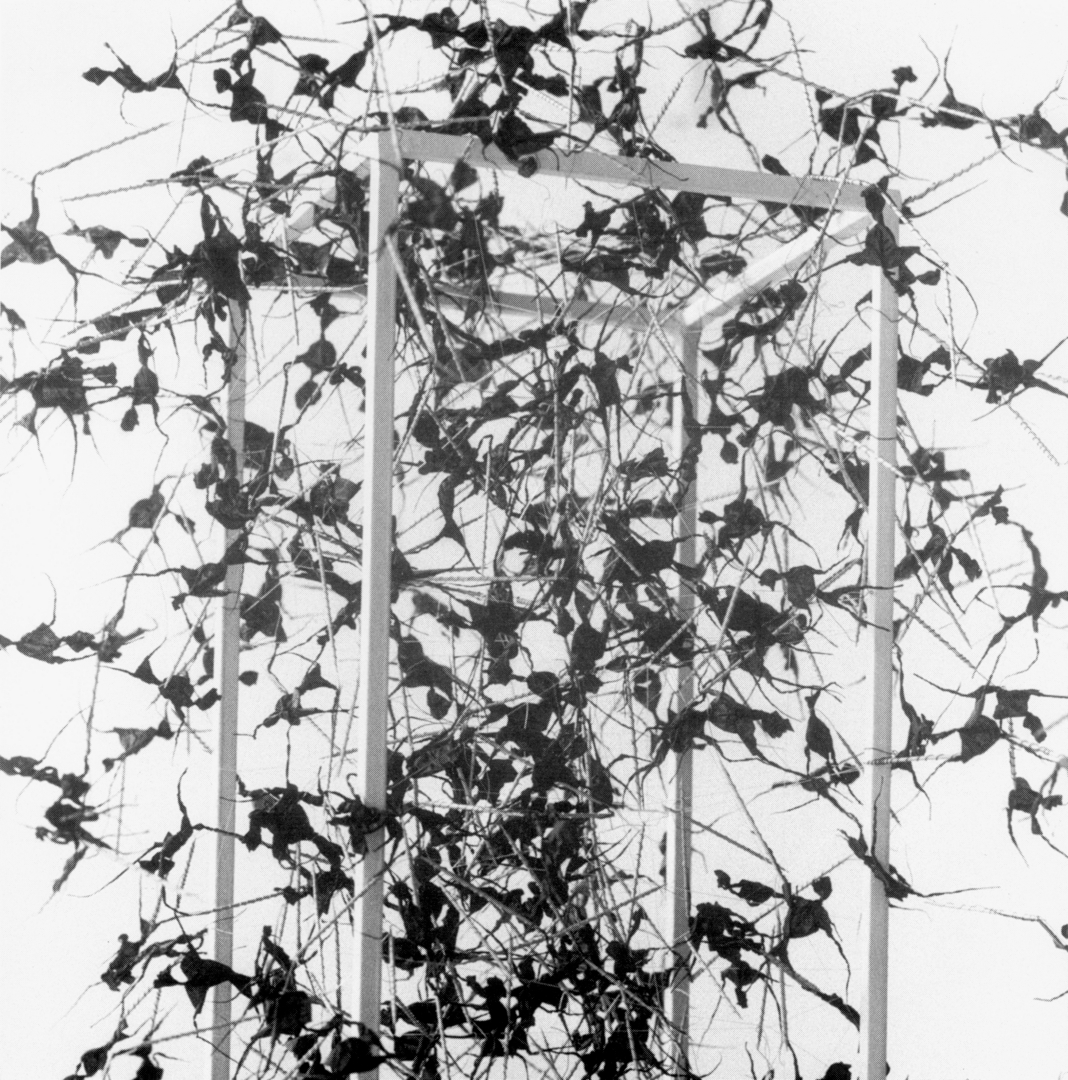
Figure 4. Fatma Charfi. Espace. Vie. (detail). 1993. Aluminum, wire, silk paper, and wood, 78 3/4 × 78 3/4 × 15 3/4″ (200 × 40 × 40 cm). Photo: Georg Anderhub. Courtesy the Fatma Charfi Estate
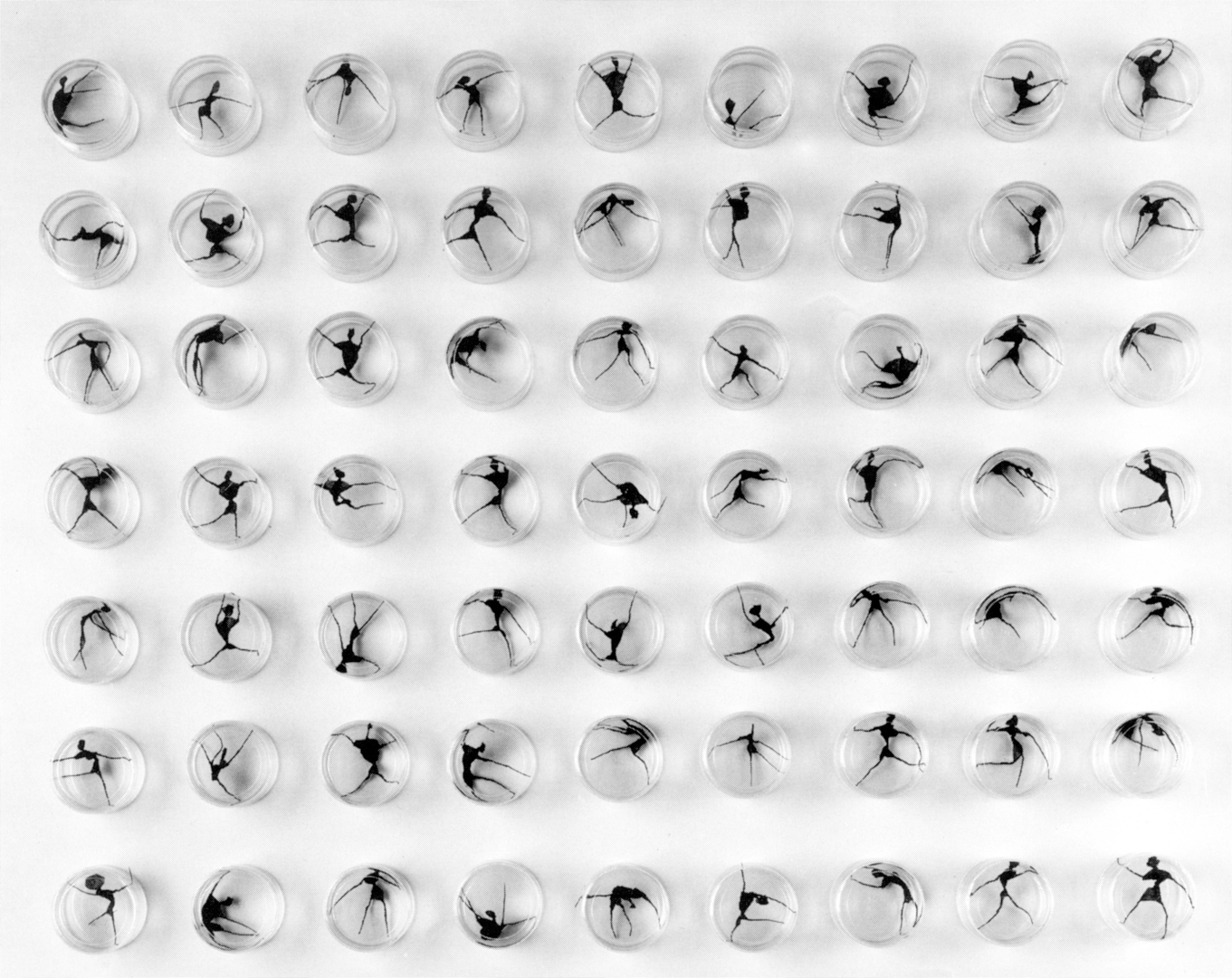
Figure 5. Fatma Charfi. Installation horizontale (detail). 1993. Silk paper and plastic (dimensions unknown). Photo: Martin Fahrni. Courtesy the Fatma Charfi Estate
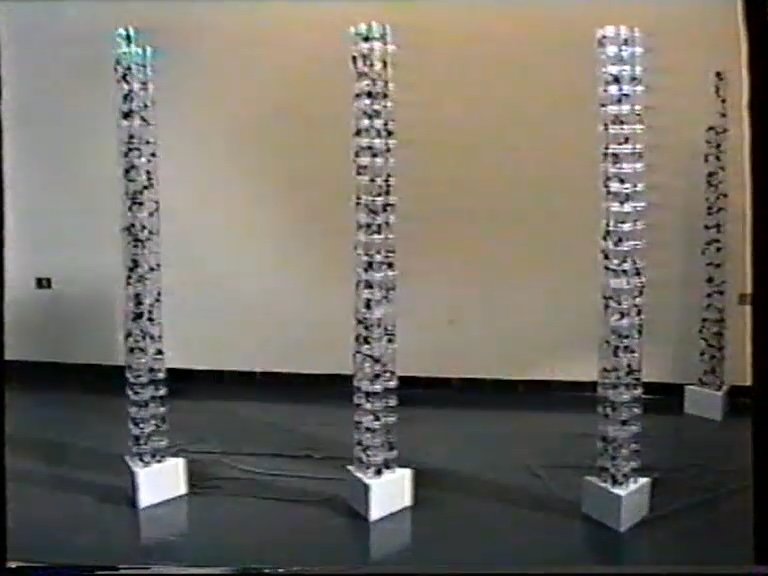
Figure 6. Fatma Charfi. Installation verticale no. 4. 1993. Silk paper and plastic (dimensions unknown). Film still, September 1993. Courtesy the Fatma Charfi Estate
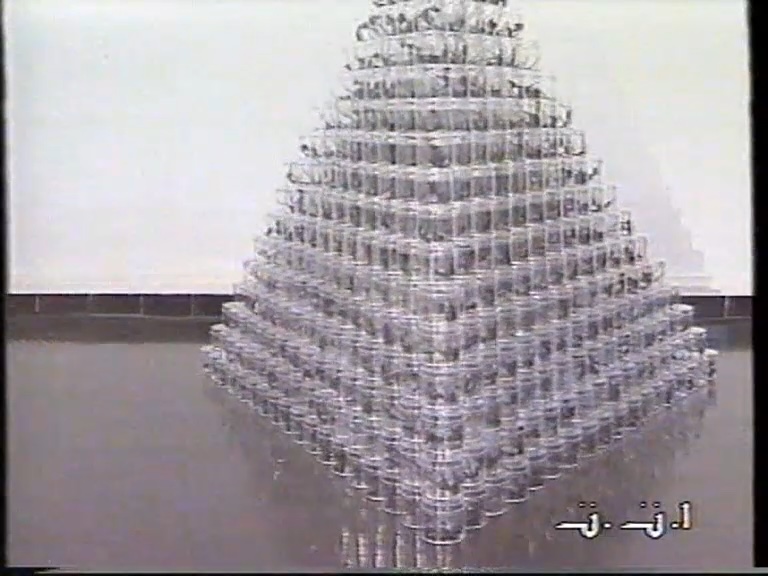
Figure 7. Fatma Charfi. Installation pyramidale. 1993. Silk paper and plastic (dimensions unknown). Film still from Imra’atuna wa al-Mujtamaʿ (Our Woman and Society), Établissement de la Télévision Tunisienne, 1993. Courtesy the Fatma Charfi Estate
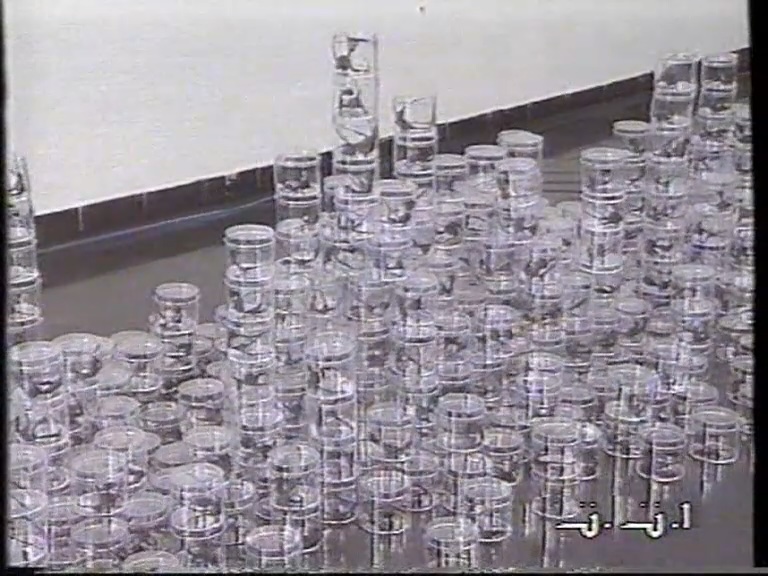
Figure 8. Fatma Charfi. Installation horizontale no. 2. 1993. Silk paper and plastic (dimensions unknown). Film still from Imra’atuna wa al-Mujtamaʿ (Our Woman and Society), Établissement de la Télévision Tunisienne, 1993. Courtesy the Fatma Charfi Estate
Taken together, the works shown at Galerie Yahia sketched the coordinates of Charfi’s broader research in the years to come: an inquiry into the regimes of representation and the dispositifs of control through which life is ordered and constrained.11The term dispositif is used here in the Foucauldian sense developed most fully in Michel Foucault, Discipline and Punish: The Birth of the Prison, trans. Alan Sheridan, 1st American ed. (Pantheon Books, 1977). For Foucault, a dispositif designates a heterogeneous ensemble encompassing discourses, institutions, architectural arrangements, regulations, laws, administrative measures, and scientific statements whose network of relations produces and sustains particular effects of power. The Aberics thus foreground her interest in the lived, embodied experience of violence produced by these structures, allowing her to “reveal reality in its different aspects.”12Handwritten note beginning, “Bonjour c’est Fatma,” n.d., in “Archive Fatma malette noire.pdf,” p. 3, FCE. Running alongside this critical outlook is also something more intimate. The 1993 survey exhibition drew attention to the centrality of gesture in Charfi’s practice and that of her hand at work: twisting, twirling, folding, rolling. Charfi did not position herself as an explicitly feminist artist, nor did she make work addressing gender-based violence or patriarchy in direct terms. But she saw in her very act of making by hand a feminine lineage, and in that sense, considered her practice to be inherently feminine—a conviction she expressed with characteristic directness: “I love to touch, to handle materials, probably because women have done so for centuries; and I see no contradiction between this and the most advanced technologies. After all, one rolls dough the way one rolls plastic: The gesture is the same. I assert my womanhood through my art.”13“J’aime toucher, palper la matière, probablement parce que les femmes l’ont fait depuis des siècles; je crois cela compatible avec les technologies de pointe. Après tout, on roule la pâte comme le plastique, le geste est le même. Je revendique ma condition de femme à travers mon engagement artistique.” Charfi, typescript of interview by Posse-Murgui, “Questions à l’artiste,” p. 2.
Showing this body of work in Tunisia in 1993 was, in retrospect, a revolution, though one that went unrecognized at the time. The press greeted the exhibition warmly, yet largely without acknowledging what was genuinely unprecedented about it: This was arguably the first exhibition in Tunisia to present installations as its primary form, and among the rare occasions in which installation art had been shown in the country at all.14Houcine Tlili, “Journées d’art contemporain de Carthage: Des termes de référence et un déroulement peu convaincants,” Le Temps (Tunisia), October 10, 2018. Tlili notes that in 1976 at Galerie Irtissem and in collaboration with students from the Institut technologique d’art, d’architecture et d’urbanisme de Tunis, Ridha Ben Abdallah presented what he describes as the first installation in Tunisia: a structure made from sardine tins emptied of their contents, which had been collectively consumed during an initiatory gathering, and subsequently assembled into a sculptural form—an event he frames as a founding moment of Tunisian contemporary art. See also Abderrazak Fehri (born 1941) and Faouzi Chtioui (1950–2005), who proposed an untitled installation for the Groupe Attaswir exhibition at the Centre national d’art vivant de Tunis in 1981; the project appears as a sketch in Attaswir, exh. cat. (Centre d’art vivant de la Ville de Tunis—Musée d’art moderne, Le Belvédère, 1981), 32, though it is unclear whether it was realized. One reviewer, writing for Al Shorouk, notes the work’s novelty, attributing it to Charfi’s formation abroad: “Coming from a different cultural ground, the artist brings to it an experience shaped elsewhere, one that has endowed her with a distinct formation and a different artistic horizon.”15“في رواق يحيى: مغامرة الشكل… إنسانية المضمون!,” الشروق (Tunis), October 8, 1993, 6. Translation by author.
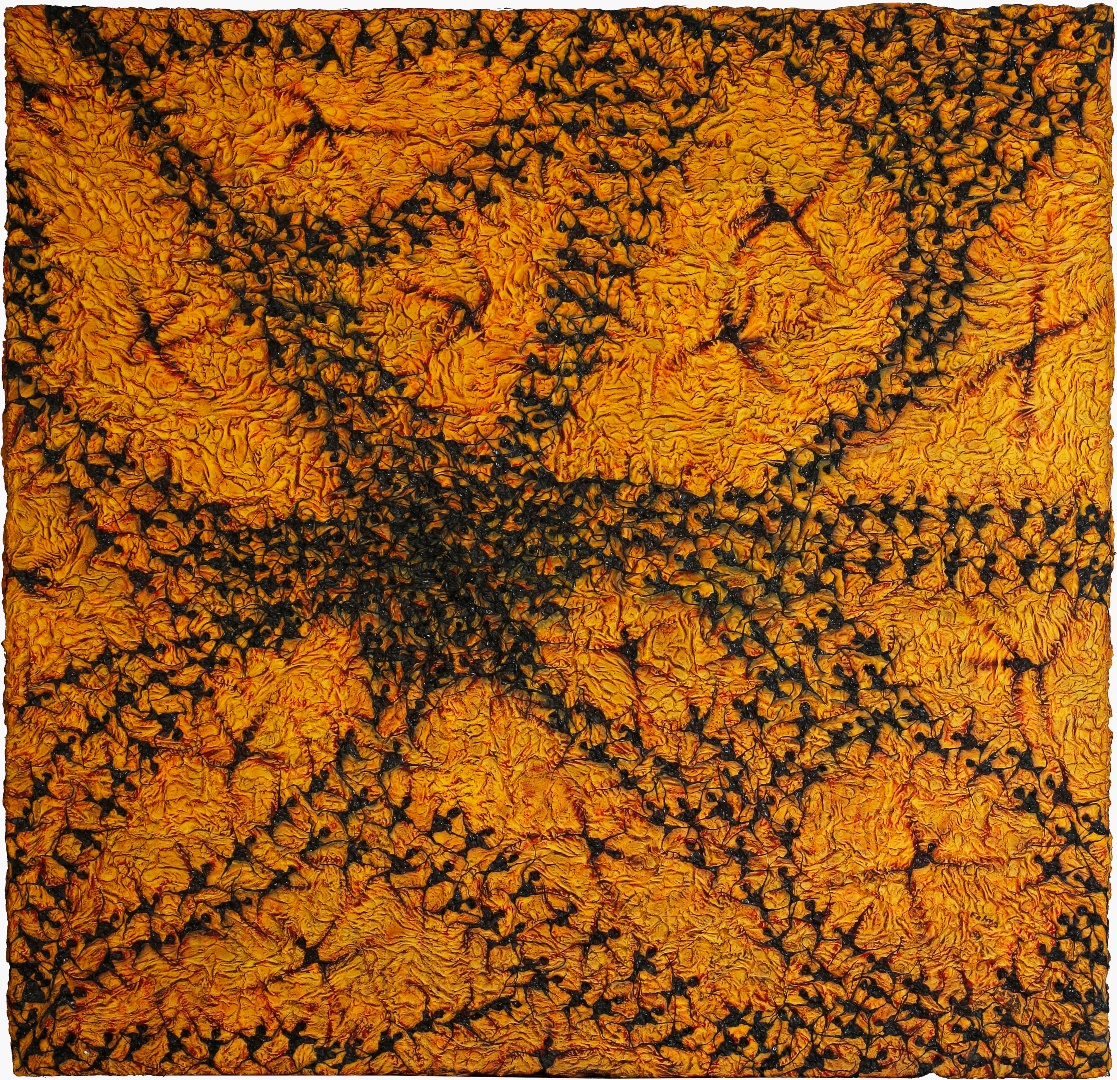
Figure 9. Fatma Charfi. Mutation I. 1992. Cotton wadding, silk paper, glue, and ink, 60 × 60″ (153 × 153 cm). Courtesy the Fatma Charfi Estate
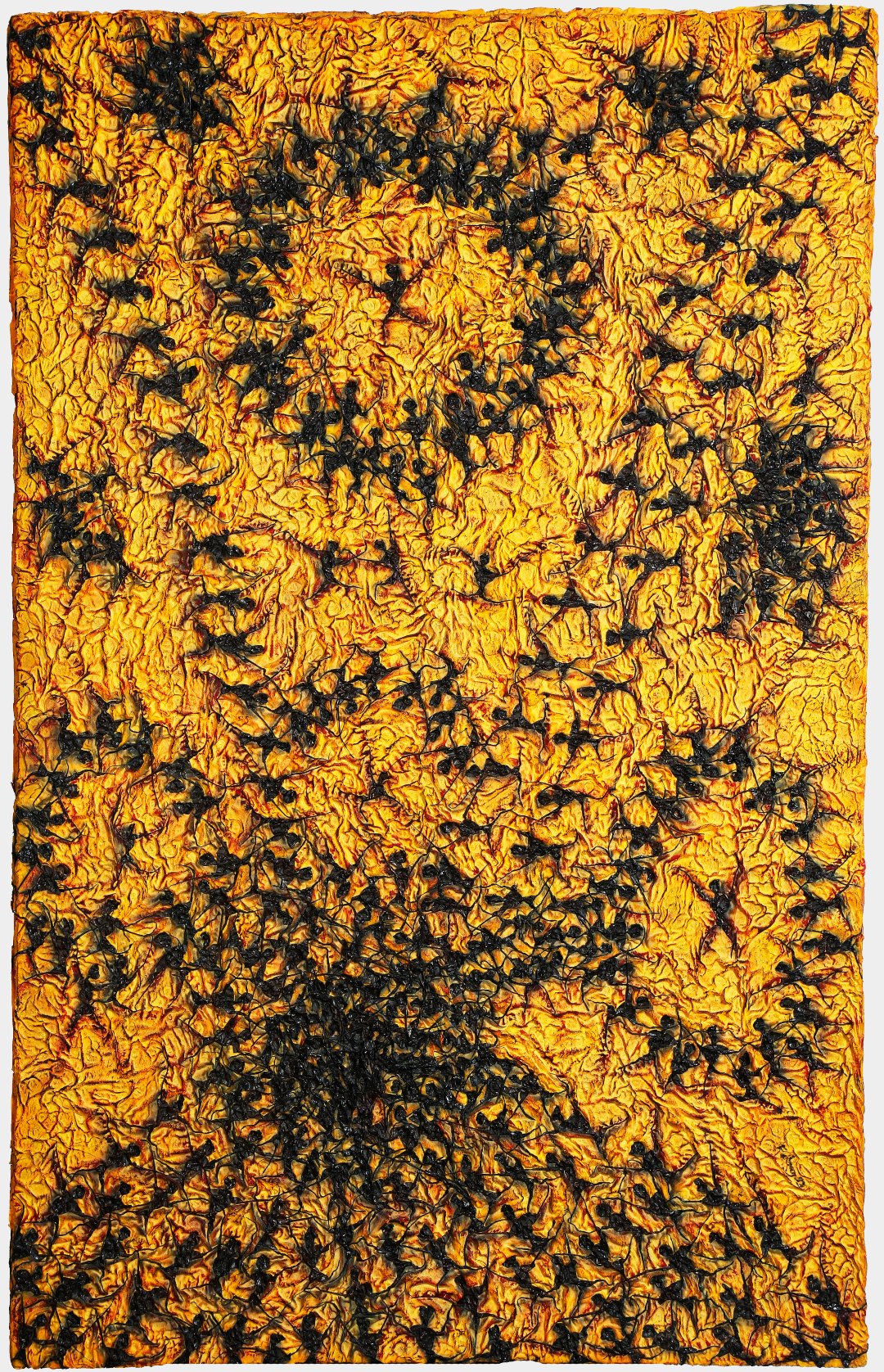
Figure 10. Fatma Charfi. Mutation II. 1992. Cotton wadding, silk paper, glue, and ink, 61 × 38 5/8″ (155 × 98 cm). Courtesy the Fatma Charfi Estate
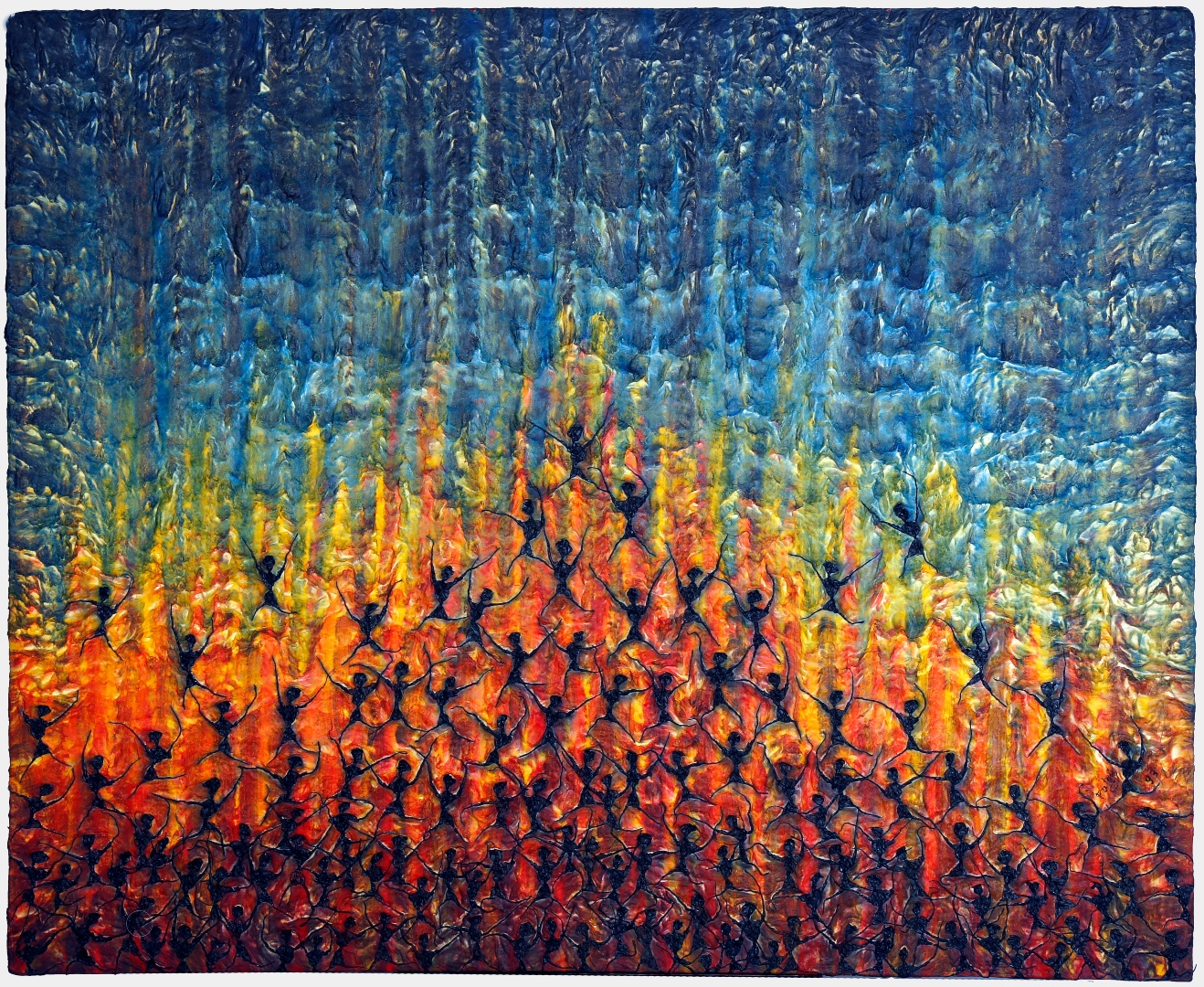
Figure 11. Fatma Charfi. 2030. 1992. Cotton wadding and silk paper, 60 1/4 × 48 7/8″ (153 × 124 cm). Courtesy the Fatma Charfi Estate
This framing, however, tells only part of the story. Although Charfi had left Tunisia in 1980 to pursue a PhD at the Université Paris 1 Sorbonne before eventually settling in Switzerland, her artistic formation had begun at home, in a decade of considerable renewal in the local art scene.16On the renewal of the Tunisian art scene in the 1970s, including the opening of the Musée d’art moderne de la Ville de Tunis (Le Belvédère) in 1977 and the emergence of artist-led initiatives such as Galerie Irtissem (founded 1976) and the Groupe/Galerie Ettaswir (established 1978), see Alia Nakhli, Arts visuels en Tunisie: Artistes et institutions, 1881–1981 (Nirvana, Cité El Ghazala, 2023). She enrolled at the École des beaux-arts de Tunis in 1975, just a year after a sweeping overhaul of its pedagogical model under its director Safia Farhat (1924–2004). Renamed the Institut supérieur des arts, d’architecture et d’urbanisme de Tunis (ITAAUT), the school had replaced its colonial-era syllabus with a curriculum that brought theory and practice into closer dialogue and paved the way for more conceptual approaches to art-making.17On the pedagogical reform of the Institut technologique d’art, d’architecture et d’urbanisme de Tunis (ITAAUT), see Nakhli, Arts visuels en Tunisie, 209–16. Farhat was herself a practicing artist who had turned to craft-based mediums in her own material explorations, and she had produced numerous monumental commissions for public buildings and spaces.18For more on Safia Farhat, see Jessica Gerschultz, “Safia Farhat’s Hybrid Creatures in Civic Spaces,” post: notes on art in a global context, January 26, 2022, https://post.moma.org/safia-farhats-hybrid-creatures-in-civic-spaces/. Under Farhat’s leadership, the school became closely integrated with initiatives that linked students to artisanal production and textile industries.19Jessica Gerschultz, Decorative Arts of the Tunisian École: Fabrications of Modernism, Gender, and Power (The Pennsylvania State University Press, 2019), 78. Even though Farhat’s art and reforms had little to do with installation art, the imprint of her directorship was nonetheless legible in the work of students like Charfi, who went on to build a practice founded on making by hand, material research, and experimentation with scale.
Throughout her years abroad, Charfi kept Tunisia close. She visited regularly and exhibited there at multiple points in her career, thereby remaining enmeshed in its artistic networks. But unlike Farhat and fellow graduates of the ITAAUT, Charfi was not engaged in a project of asserting a distinctly Tunisian identity through art. That her work found institutional support in the cultural landscape of President Ben Ali’s authoritarian regime is itself noteworthy: Unsparing in its engagement with violence, control, and the darker currents of contemporary life, it might easily have not.20Zine El Abidine Ben Ali ruled Tunisia from 1987 to 2011. His authoritarian regime was marked by political repression, censorship, and tight control over cultural production. And yet it did. Following the 1993 Galerie Yahia exhibition, Charfi returned to Tunisia in 1999 for a subsequent survey at the state-run Maison des arts du Belvédère, and she continued to participate in group exhibitions throughout the 2000s and 2010s.
In her notes, she describes her relationship to the country with a wry brevity: “I went away from Tunisia (without leaving it).”21“Je suis partie de la Tunisie (sans la quitter).” “Archive Fatma malette noire.pdf,” p. 3, FCE. Charfi’s story is not one of diaspora defined by alienation and longing, but rather one of an artist who moved fluidly between Tunisia and Switzerland, shaped by both and reducible to neither. While some of her works do address the experience of immigration, this is but a single thread within a practice far broader in its concerns. Rather than grounding her work in the specificities of a single cultural context, Charfi conceived it as operating on a universal register, leaving space for many forms of identification and interpretation. As she put it: “My work is open to multiple interpretations. It is not necessary to provide explanations.”22“Archive Fatma malette noire.pdf,” p. 2, FCE.
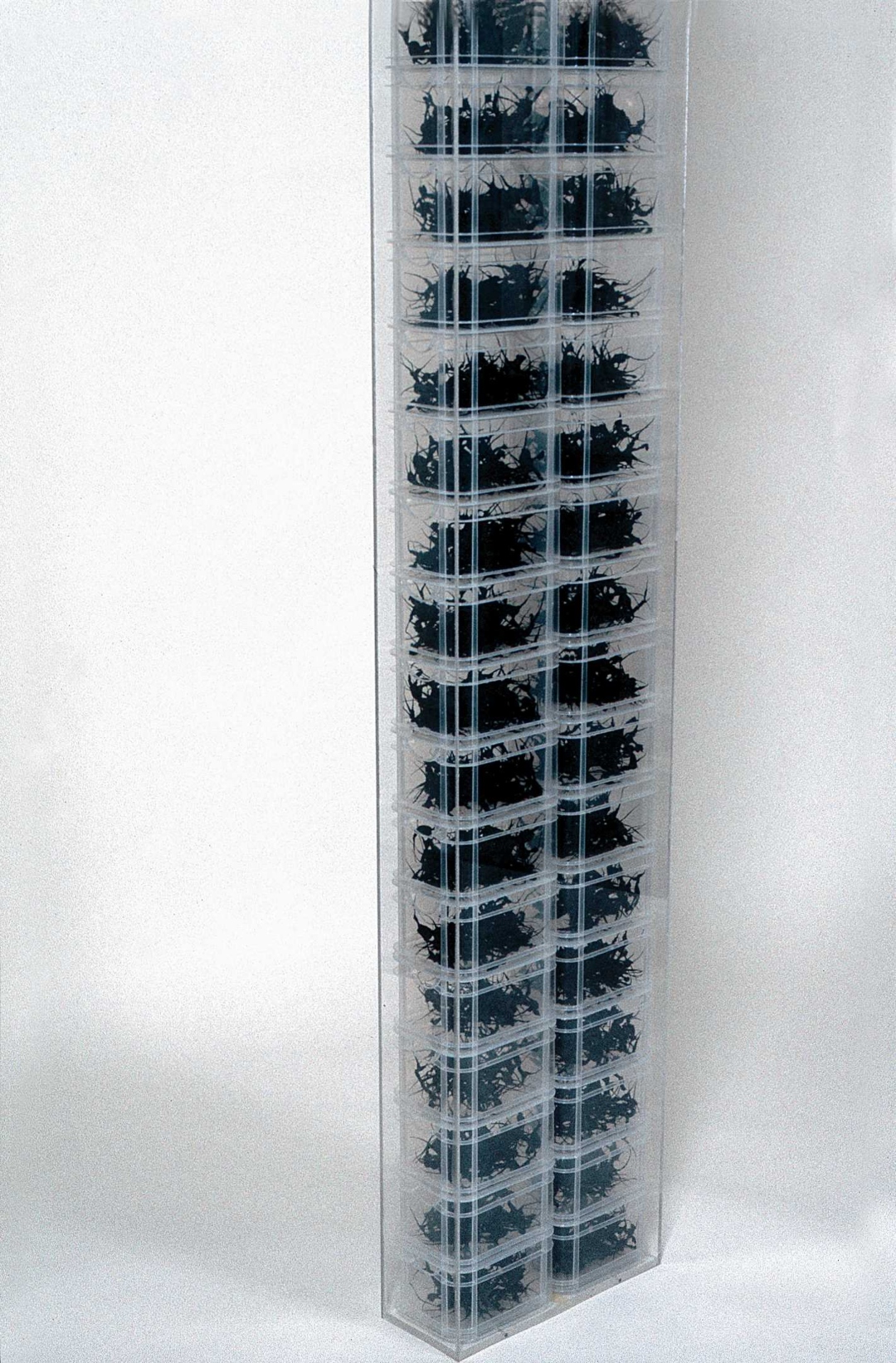
Figure 12. Fatma Charfi. Installation verticale. 1999. Plastic, Plexiglas, and tissue paper, 86 5/8 × 15 × 5 1/2″ (220 × 38 × 14 cm). Courtesy the Fatma Charfi Estate
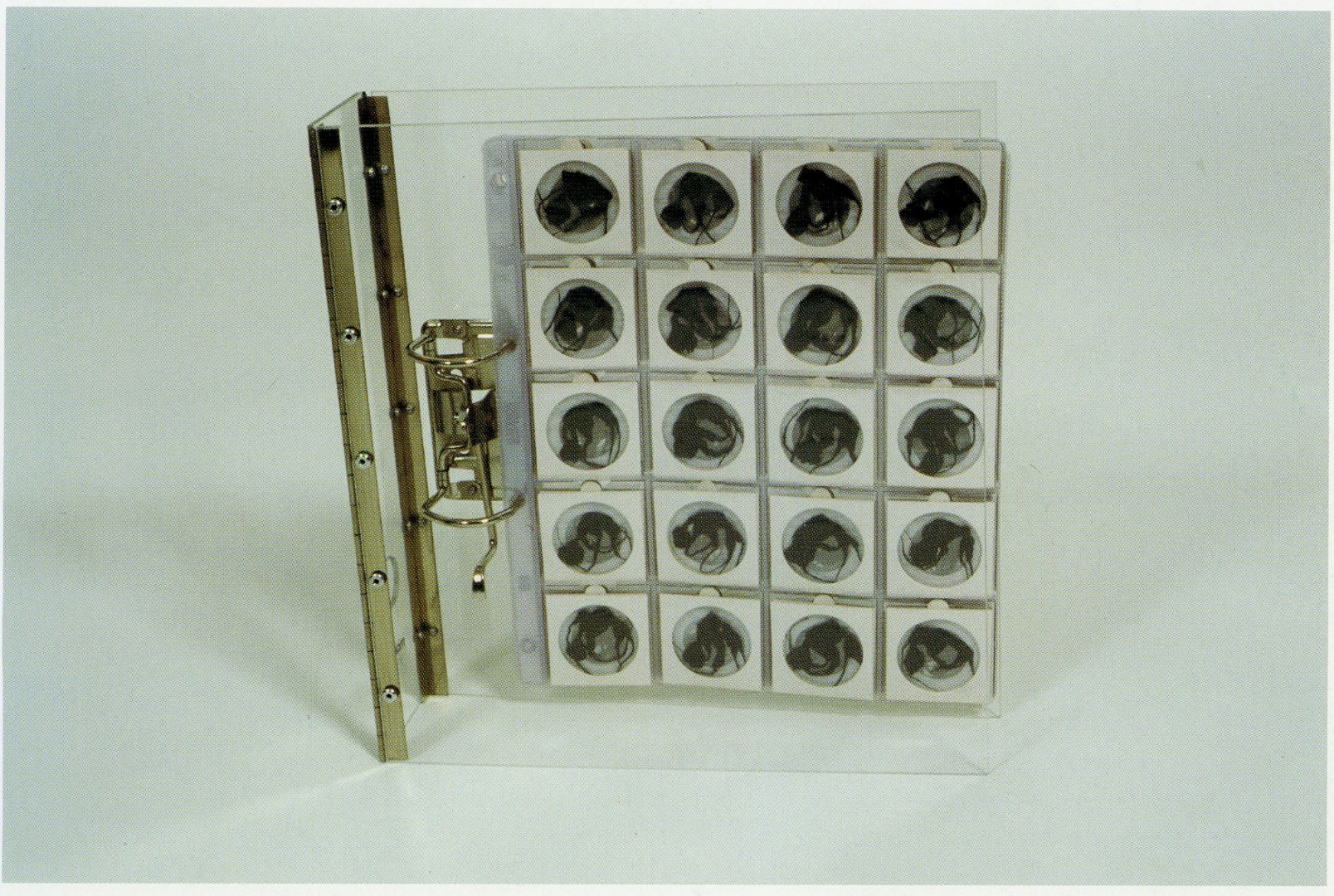
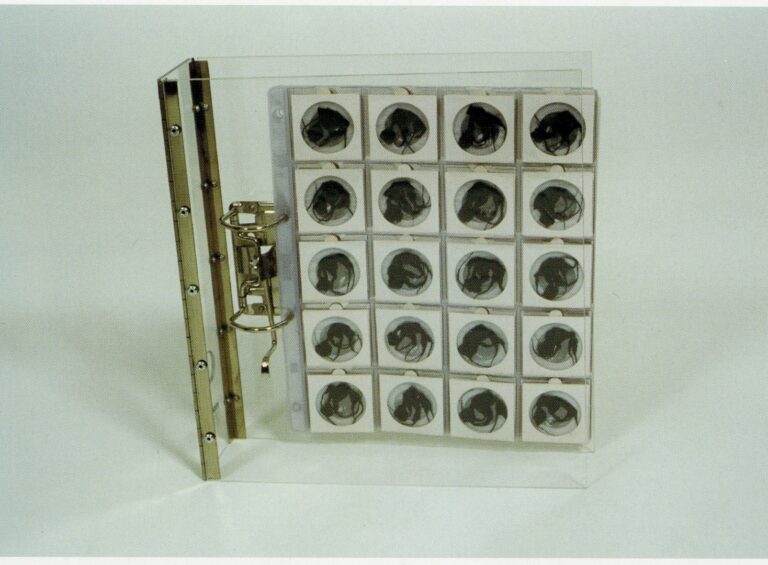
Figure 13. Fatma Charfi. Numismatique. 1999. Plexiglas, metal, tissue paper, and cardboard mounts, 13 × 11 13/16 × 2 3/4″ (33 × 30 × 7 cm). Courtesy the Fatma Charfi Estate
The 1990s and early 2000s were an extraordinarily prolific period for Charfi. Between 1993 and 2000, she had six solo exhibitions and took part in numerous group presentations internationally. This rhythm gave her both the impetus and the resources to expand her practice into new territories: textile, print, photography, video, site-specific and interactive installations, and performance. This expansion is perhaps best illustrated by her consecutive participation in the Dak’Art: African Contemporary Art Biennale between 1998 and 2004. From its inception in 1992, the Biennale had positioned itself as a platform for some of the most avant-garde artists emerging from the continent, with the Grand Prix Léopold Sédar Senghor signaling its evolving criteria—from the material and sculptural practices of artists such as Moustapha Dimé (1952–1998) to the large-scale textile installations Hommage aux chasseurs du Mandé (1994–96) of Abdoulaye Konaté (born 1953). For historians, though, it was not until 1998 that Dak’Art shifted from the modernist paradigms that had shaped much of post-independence African art toward a more conceptually driven and politically engaged contemporary practice.23Ugochukwu-Smooth C. Nzewi and Thomas Fillitz, eds., Dak’art: The Biennale of Dakar and the Making of Contemporary African Art (Routledge, Taylor & Francis Group, 2021), 138. Charfi’s participation must be understood within this broader reorientation: She was among a generation of artists in Africa who, earlier on, had enacted this shift. Her participation in Dak’Art 1998 and recognition with the Grand Prix in Dak’Art 2000 for Installation verticale (1999; fig. 12)and Numismatique (1999; fig. 13) consolidate this position.24Rayelle Niemann, “Introducing the Multimedia Art of Fatma Charfi,” Xcult, January 2003, http://www.xcult.org/texte/niemann/fatma_e.html. In addition to the two works cited, Niemann describes a floor installation in which “Charfi’s Abroucs are spread out on a frieze of rectangular modules, arranged by pieces of cotton batting alternately covered with mesh,” and notes that the artist “also showed a video piece in which an Abrouc moves in exuberance.” While this account suggests the presence of a video work and a floor installation at the 2000 Biennial, no precise documentation of them has been located.
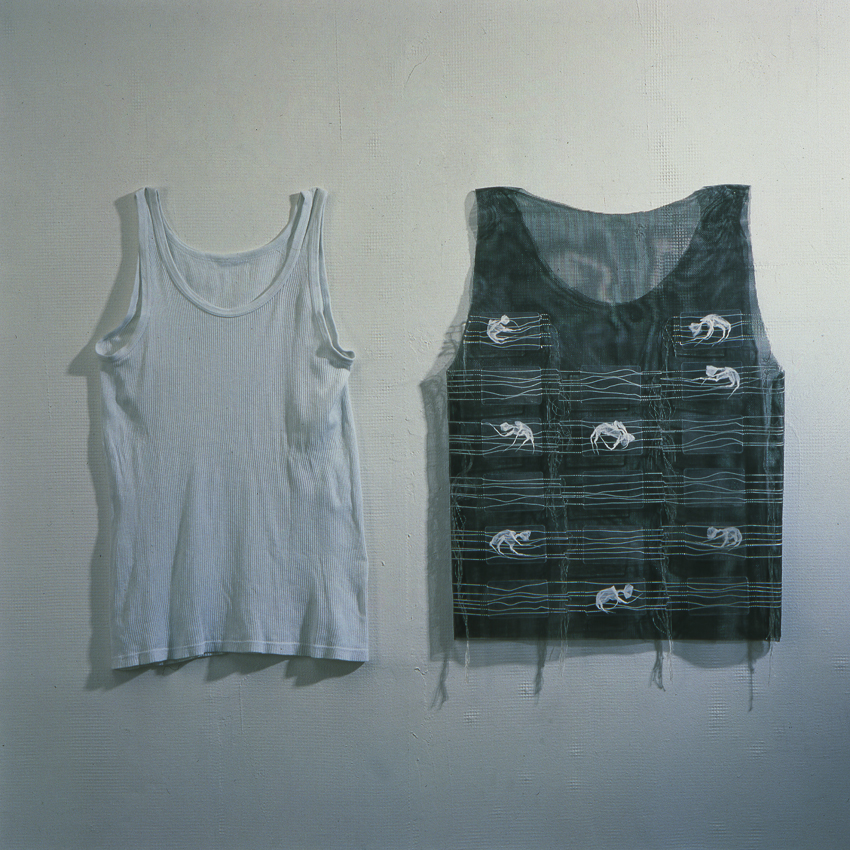
At the 1998 edition, Charfi took part with Sous-vêtements (Underwear) (1996–97; fig. 14), a textile wall installation composed of a white tank top paired with a black one cut from mosquito netting.25Published sources differ regarding the date of this work. While Dak’Art 98: Biennale de l’art africain contemporain, exh. cat. (Cimaise, 1998), 51, dates it to 1997, Un autre regard, exh. cat. (Musée Neuhaus and Galerie Item, 1997), 22, lists its date of creation as 1996. To acknowledge this discrepancy, the present essay adopts the date range 1996–97. The artist affixed 17 rectangular pockets to the latter with white thread stitched in horizontal rows from which she suspended eight seemingly floating Aberics. The work reiterates her interest in forms and materials that evoke control (the grid and the netting), anonymity (the mass-produced white tank top), movement versus constraint (the Aberics that are held in place yet appear to be in motion), and a tension between visibility and concealment (the juxtaposition of opaque and transparent fabrics). Furthermore, in taking the form of garments, Sous-vêtements anticipated a new direction in the artist’s practice: performance, in which her works are activated by her own body and those of her audiences.
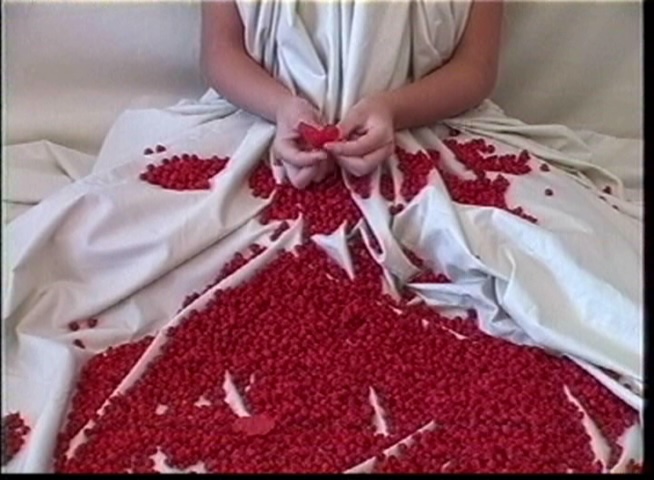
Figure 15. Fatma Charfi. Cry of a Child (still). 2002. Video, color, 11 min. 55 sec. Courtesy the Fatma Charfi Estate
In fact, at the 2002 Dak’Art Biennale, Charfi presented Cry of a Child (2002), a multimedia installation accompanied by what would be her first performance. This work was made in the shadow of the looming Iraq War (2003–11). Charfi, who had watched the first Gulf War unfold on television as she anxiously rolled Aberics between her fingers, now placed a screen featuring a similar scene, this time as a deliberate mise-en-abyme, in the gallery. In this video, an unidentifiable figure surrounded by dozens of small red paper pellets faces the viewer (fig. 15). The pellets, which Charfi dubbed “red seeds,” marked a new development in her visual vocabulary.26Handwritten note beginning, “Nous voici en 2002,” n.d., in “Archive Fatma 2000–2003.pdf,” p. 15, FCE. Where the Aberics, in their twisted configurations, register and hold the weight of grief and suffering, the red seeds propose a counter-gesture: They are designed to be unfolded, handled, and cared for, inviting, however symbolically, a release from that pain. As a pair of hands slowly unfolds the paper pellets one by one, their heart shapes are revealed before they are let go to drift freely across the frame. The same forms reappear in the installation space, where they are scattered atop laminated photographic bands of Aberics that descend from the ceiling to the floor.
Emerging, in her words, from a “desire to call for peace,” these seeds were also an invitation to act.27“Tout en poursuivant une réflexion, un intérêt pour cet aspect de notre réalité contemporaine, je me découvre animée par le désir d’un appel à la paix.” Handwritten note beginning, “Nous voici en 2002.” They became central to the performative format Charfi termed L’Offrande (The Offering), which she first presented at the 2002 edition of the Biennale (fig. 16). During the performance, the artist distributed medals, each containing a red seed that when unfolded, revealed a delicate paper heart. Charfi invited people to gently open the heart and place it back inside the medal around their neck, implicating them in what she understood as a shared act of care (fig. 17). A decade after the first Gulf War, she no longer attempted to bear witness to the dead. Instead, she turned toward the living, asking what role each viewer may have played in allowing such violence to unfold.
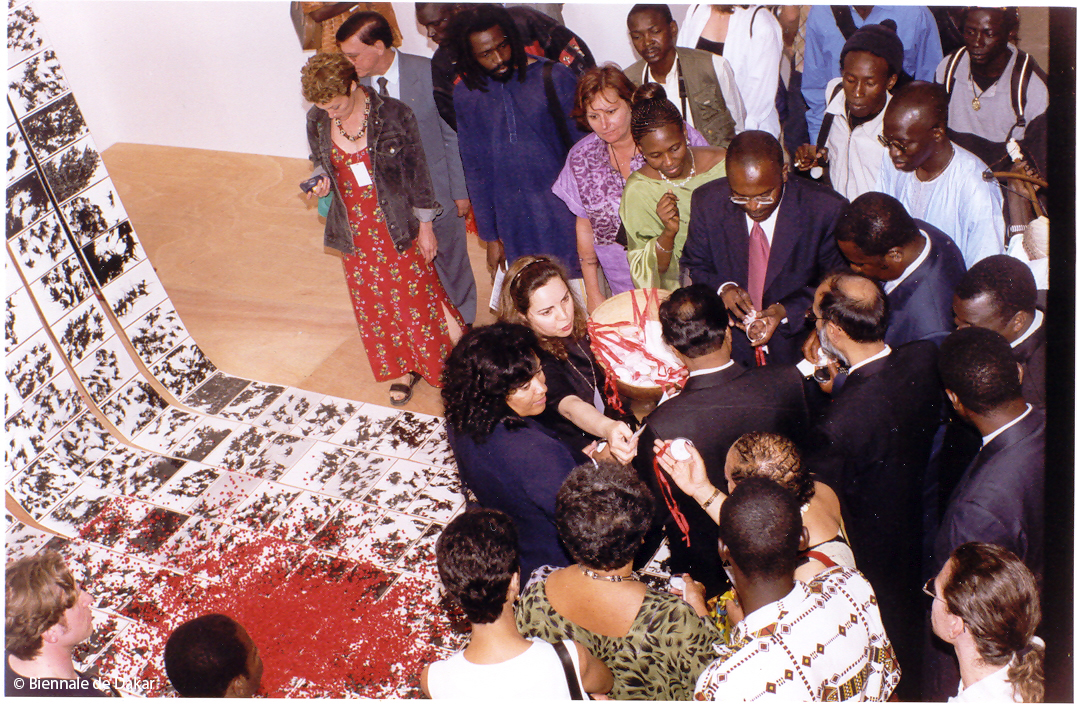
Figure 16. Fatma Charfi. L’Offrande. 2002. Performed in front of the installation Cry of a Child, Dak’Art Biennale de l’Art Africain Contemporain, Dakar, 2002. © Dak’Art Biennale de l’Art Africain Contemporain
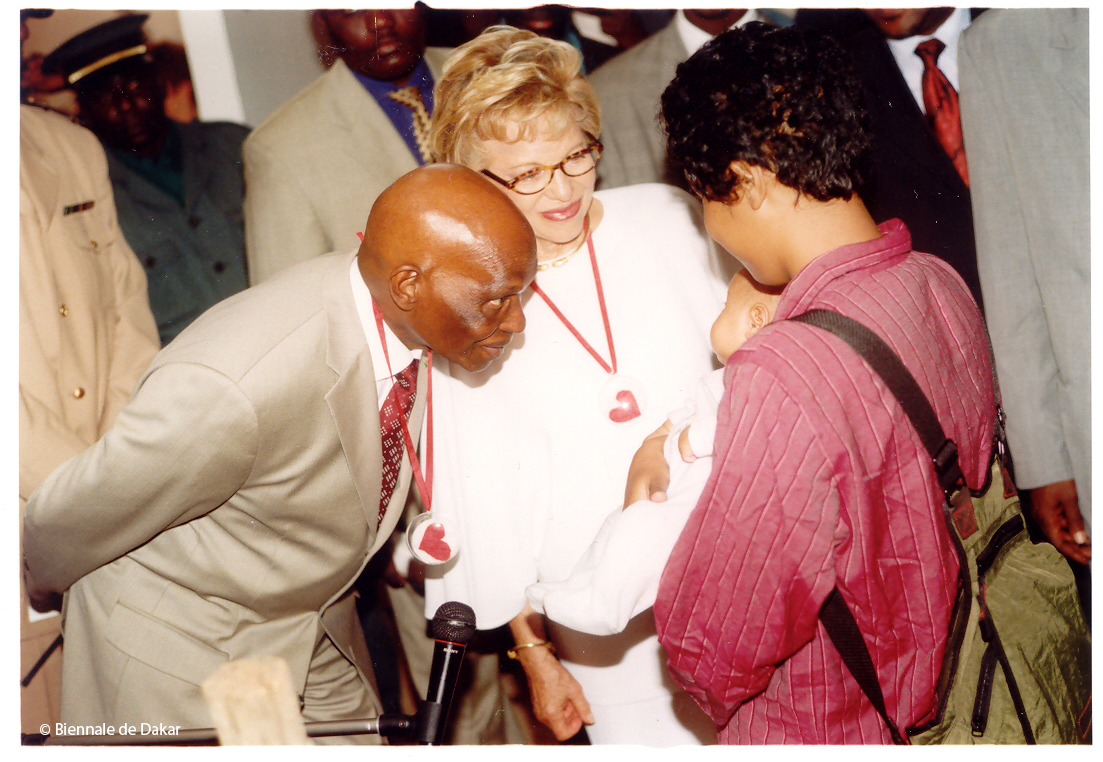
Figure 17. Fatma Charfi. L’Offrande. 2002. Performed at Dak’Art Biennale de l’Art Africain Contemporain, Dakar. Senegalese President Abdoulaye Wade and Viviane Wade wearing medals created by the artist. © Dak’Art Biennale de l’Art Africain Contemporain
By Dak’Art 2004, Charfi had developed L’Offrande into a multicomponent project titled Laboratoire de paix (Laboratory of Peace).28At this edition of Dak’Art, the artist presented a video titled Red, White or Black (2002), five photographs from the series L’Offrande (2003), and a revised iteration of the performance L’Offrande, all under the umbrella of Laboratoire de paix. Laboratoire de paix was not a fixed artwork with a stable form; indeed, Charfi conceived of it as an open project whose components and presentation would evolve with each showing. While the full documentation needed to trace its many iterations is still being recovered, existing video recordings, notes from the artist, and the photographic series L’Offrande (2003; figs. 18–22) provide a clear sense of its props, staging, and choreography. During the performance, Charfi enacted the symbolic opening of her womb, simulated on her body through a transparent hemisphere and an inflated plastic bag, by incising it with a pair of scissors and releasing its contents: red seeds, which fell and dispersed across laminated photographic strips on the floor. The gesture unfolded slowly and deliberately, transforming an act of incision into one of revelation and offering. As she described it: “Once the womb is revealed to the audience, it becomes a flower; it begins to disclose its secrets, offers seeds to be opened, and invites a moment of unity through simple gestures and a shared act of hope.”29“Une fois le ventre montré face au public, il devient fleur, il commence à révéler ses secrets, offre des graines à ouvrir, invite à s’unir un moment par des gestes simples et une action d’espoir commune.” Typescript document signed by the artist, “2012—The Veil, Visible and Invisible Spaces,” in “Texte Fatma Charfi revu catalogue,” n.d., under “Other documents by project,” FCE. To extend this invitation, she read aloud her poem “Metamorphosis of a Seed” (2002) and distributed medals to the audience, echoing a gesture first introduced in L’Offrande (2002). Charfi conceived Laboratoire de paix as a kind of experimental protocol through which a new world might emerge—a utopian vision emanating from her creative womb.
First conceived for the 2003 Festival Rencontres d’art de la Médina in Tunis, the project was shaped by a visit Charfi made to the Sufi shrine of Sidi Abd al-Qadir al-Jilani (1077/78–1166) while scouting venues for the festival.30Handwritten note, n.d., in “Archive Fatma 2000–2003.pdf,” p. 12 (hand-numbered 3), FCE. The note refers to a visit to the zāwiya of Sidi Abdelkader Bouderbala, a name used in popular Tunisian culture for Sidi ʿAbd al-Qādir al-Jīlānī, whose shrine is in present-day Iraq, though sites of devotion to him exist across Tunisia. It was there, she recounts, that the idea of the laboratory came to her. In her notes, she describes the project as one that “while touching on the political, is characterized by its transcendental dimension, which suits the nature of this place entirely. A place where one prays for the best wishes, where one prays for the dead, and celebrates this through offerings.”31Handwritten note, n.d., in “Archive Fatma 2000–2003.pdf,” p. 12. That she designed the project to premiere in a shrine rather than in an exhibition space is essential to understanding how it fits within the broader context of her body of work.
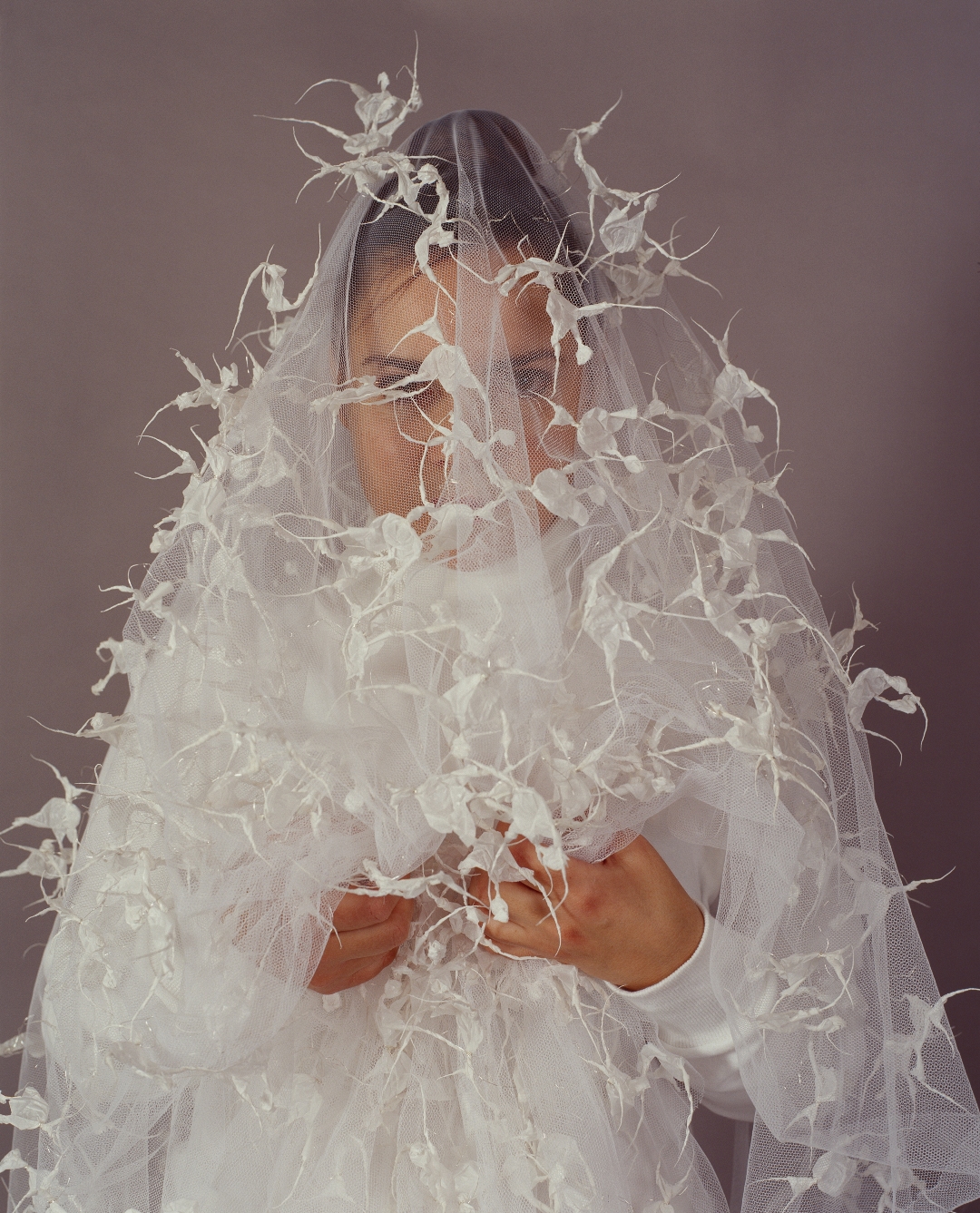
Figure 18. Fatma Charfi. L’Offrande (from the project Laboratoire de paix). 2003. Digital photograph. Photo: Driss Manchoube. Courtesy the Fatma Charfi Estate
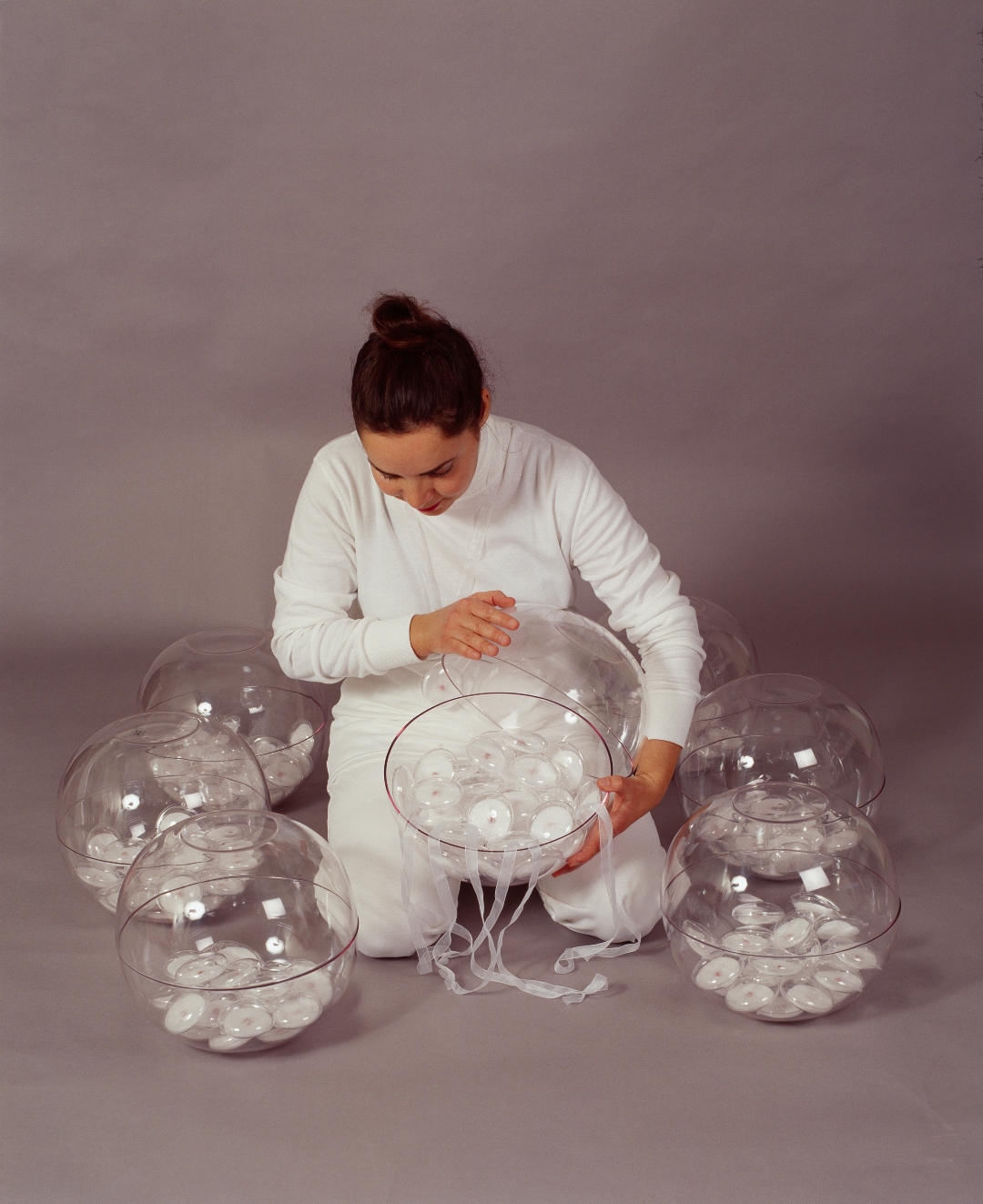
Figure 19. Fatma Charfi. L’Offrande (from the project Laboratoire de paix). 2003. Digital photograph. Photo: Driss Manchoube. Courtesy the Fatma Charfi Estate
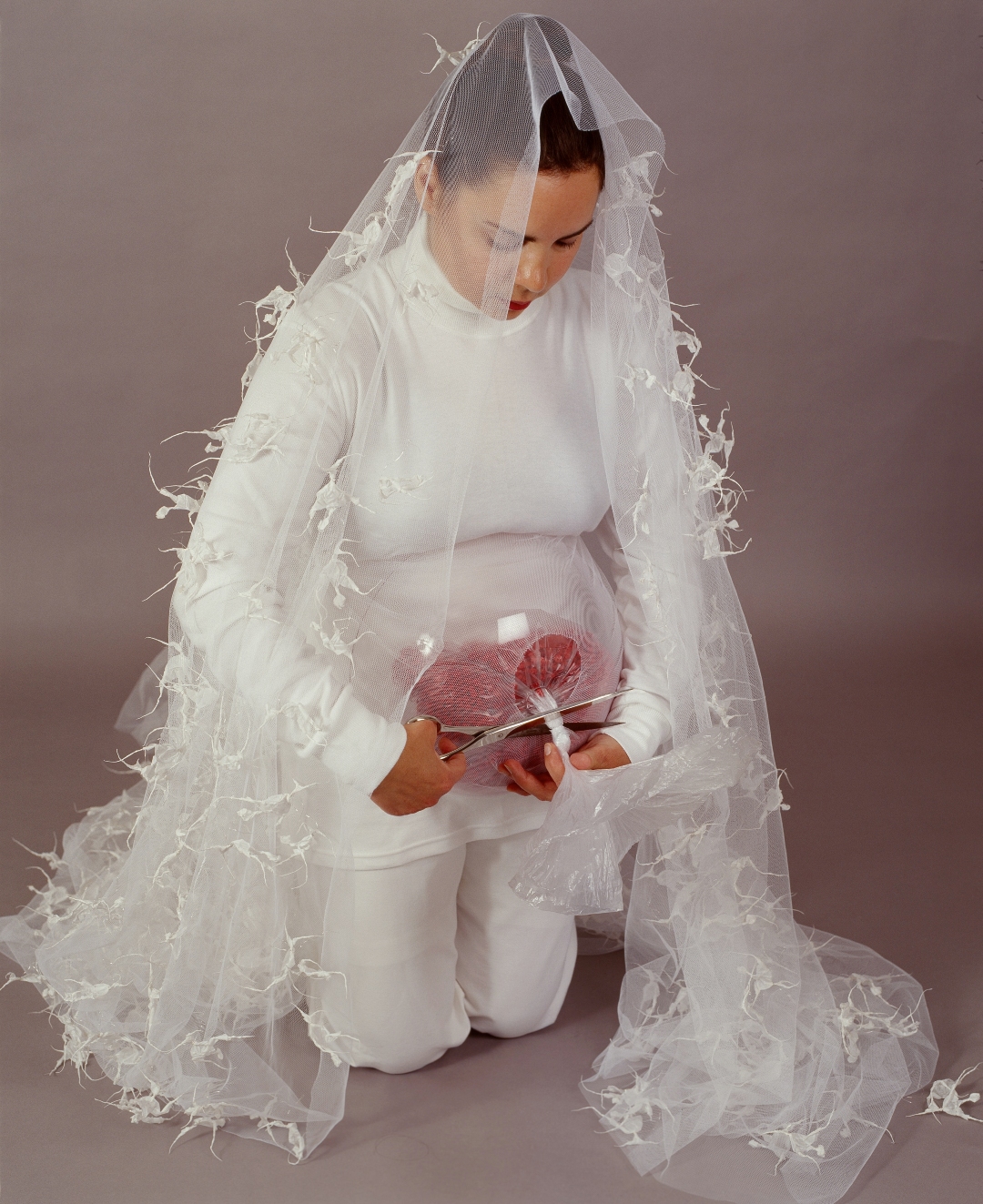
Figure 20. Fatma Charfi. L’Offrande (from the project Laboratoire de paix). 2003. Digital photograph. Photo: Driss Manchoube. Courtesy the Fatma Charfi Estate
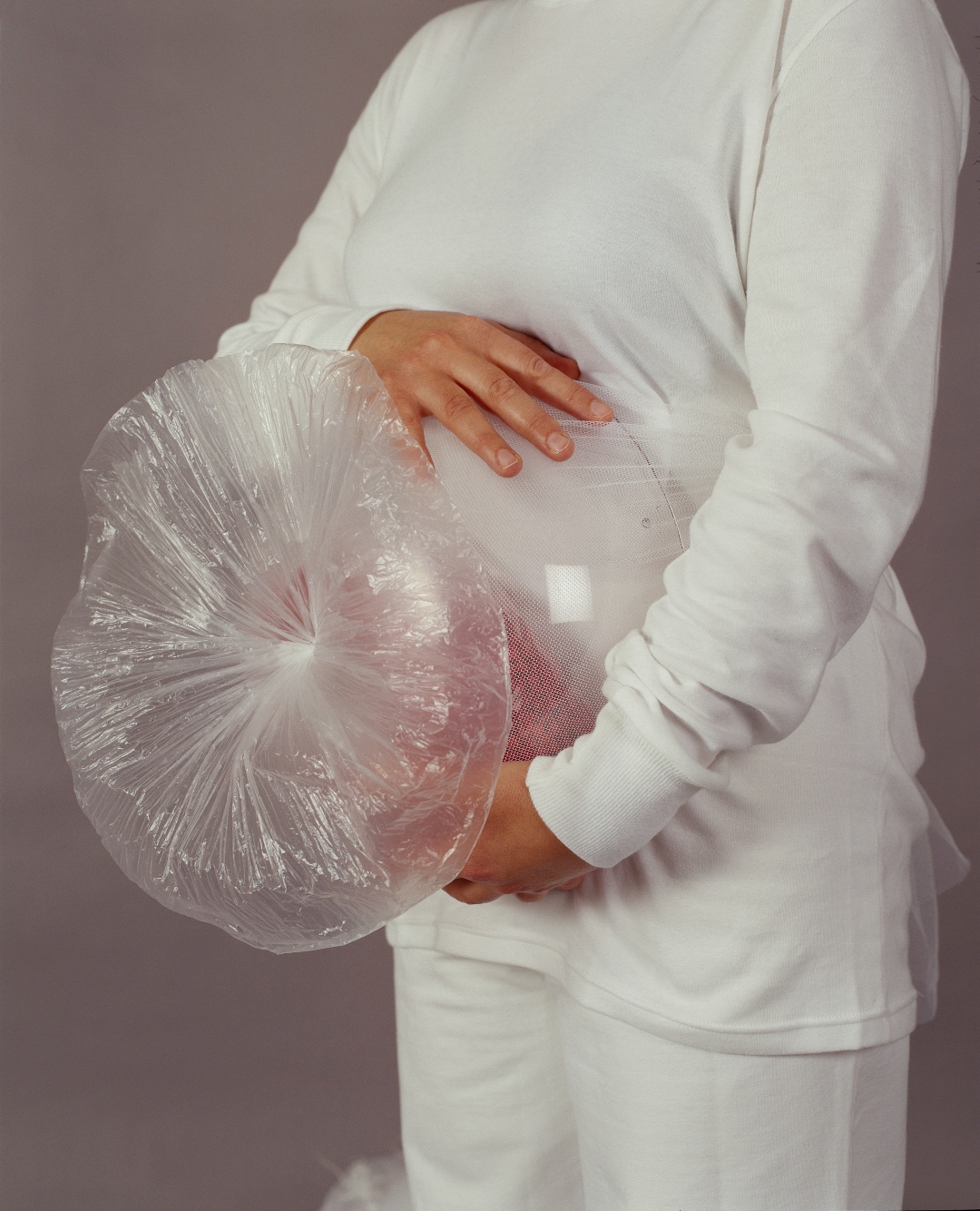
Figure 21. Fatma Charfi. L’Offrande (from the project Laboratoire de paix). 2003. Digital photograph. Photo: Driss Manchoube. Courtesy the Fatma Charfi Estate
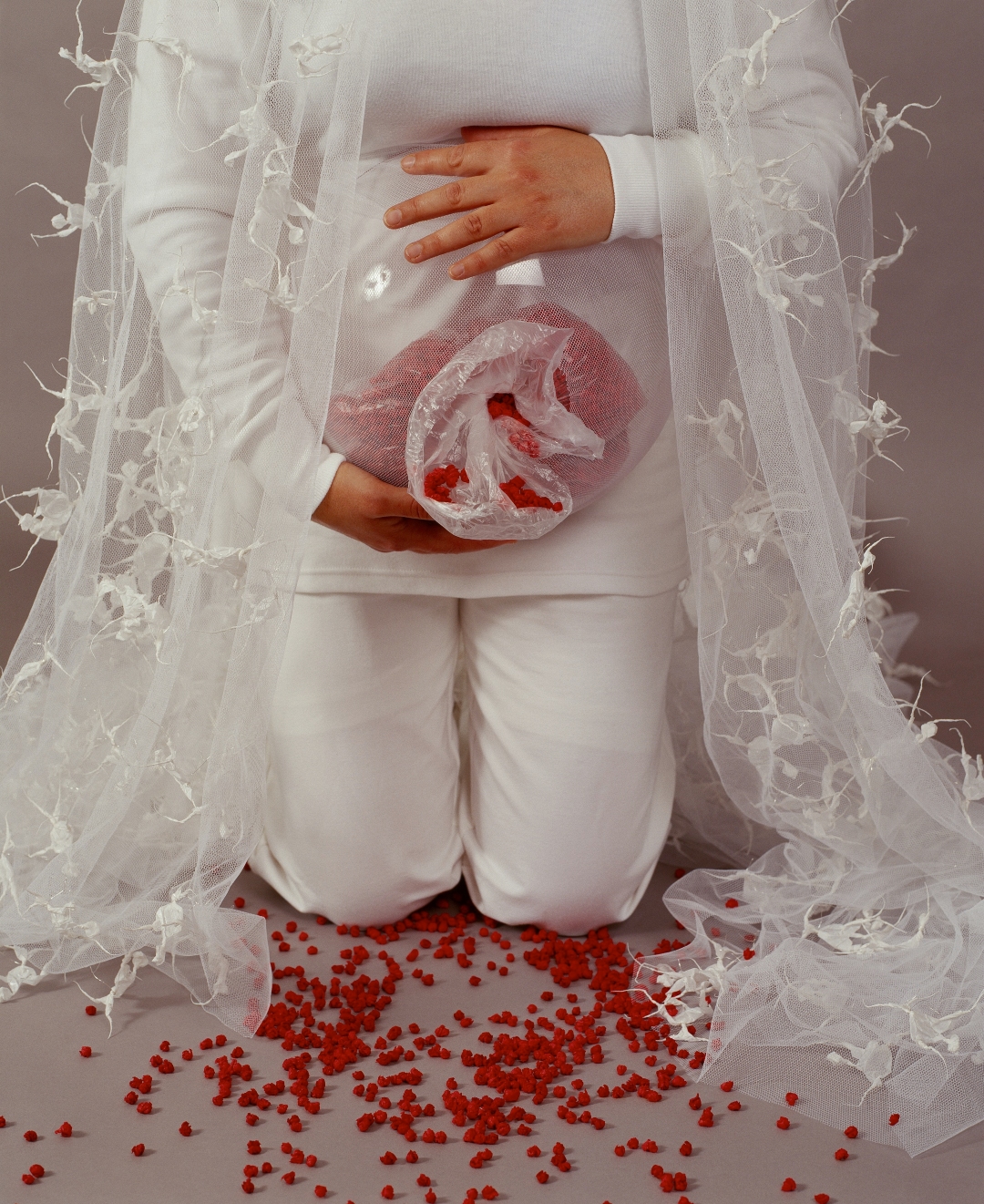
Figure 22. Fatma Charfi. L’Offrande (from the project Laboratoire de paix). 2003. Digital photograph. Photo: Driss Manchoube. Courtesy the Fatma Charfi Estate
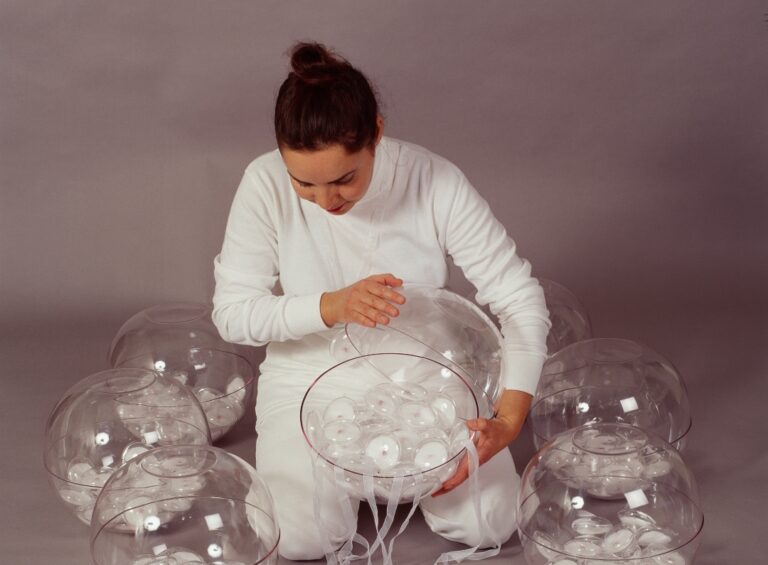
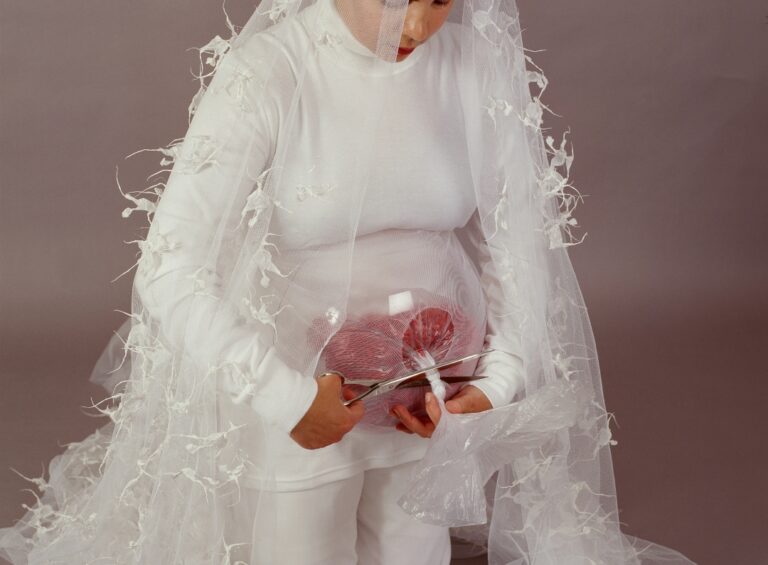
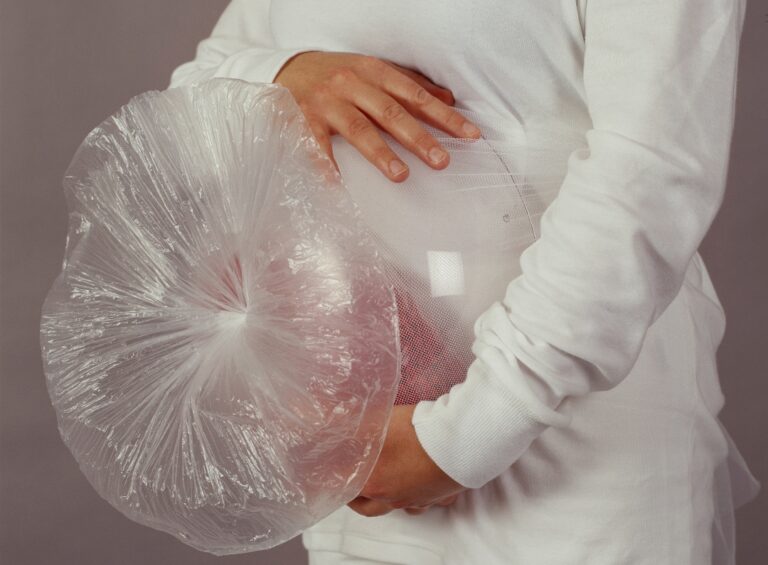
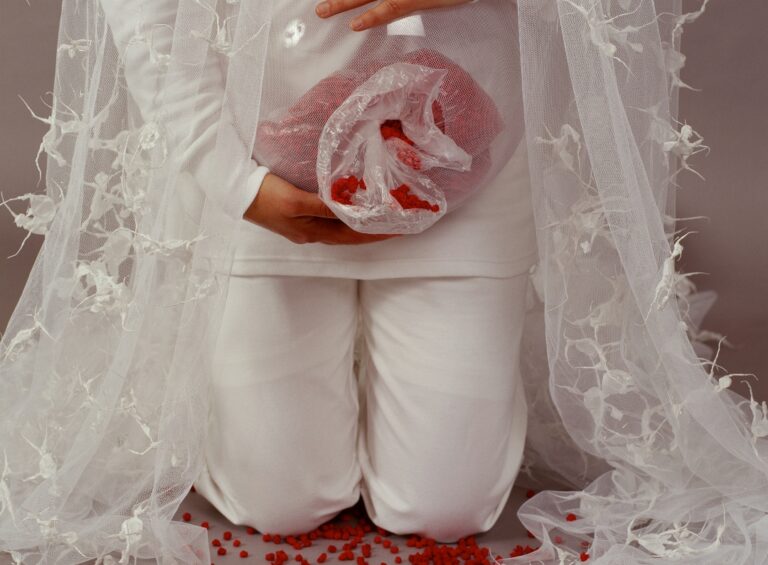
At first glance, Laboratoire de paix risks appearing as the naïvest corner of Charfi’s practice, as too simplistic to sit comfortably alongside her more politically incisive work. Yet, what reads as naïveté carries within it a kind of spiritual clarity, one closer in spirit to the Islamic concept of niyyah, or the sincere, inner intention of the heart to act solely for what is right. It is as though Charfi left the shrine with the conviction that dedicating a chapter of her life’s work to fostering empathy was not a detour but a necessity. Laboratoire de paix remains her only performative project, but it nonetheless has a central place within her constellation of works and persisted as a key preoccupation until her untimely death in 2018. The veil developed for Laboratoire de paix would prove foundational to a decisive conceptual consolidation in her practice for what she later named “Human-Lace.” In a text from 2007, she likens the veil to a “human lace,” describing it as “the hundreds of Aberics that my hands, my saliva, and my perspiration have helped to weave.”32Fatma Charfi in In the Arab World . . . Now, ed. Fabrice Bousteau (Galerie Enrico Navarra, 2008), 174–75. More than a metaphor, this formulation framed her entire practice as a cumulative, embodied process of making. In a document outlining her final wishes, she made this explicit, writing: “Human-Lace is my overall project.”33“Human-Lace est mon projet global.” Handwritten note, “Volontés de Maman.pdf,” n.d., p. 1, FCE.
Understanding Charfi’s body of work as an intricate system of lace held together by threads that cross and knot into distinct but connected clusters is essential. Throughout her life, she produced abundant and diverse artworks across mediums and themes, but her practice consistently retained the same core: the Abrouc, the direct involvement of the artist’s body, and an observation of the world that impelled each work. Underlying these elements was a belief in a larger purpose, with art serving as its medium. As she herself clearly stated, “I love humanity, I am concerned with the human being; what is reflected in my work is not a message, but a social preoccupation.”34Charfi, typescript of interview by Posse-Murgui, “Questions à l’artiste,” p. 3. In this sense, her work sought to bind, to gather, and to produce moments of shared attention, extending the logic of the “Human-Lace” beyond the work itself to encompass those who encounter it.
- 1Handwritten note, n.d., in digital folder “Archive Fatma 2000–2003.pdf,” p. 20, Fatma Charfi Estate, unprocessed personal archive hereafter FCE. The note reads: “Abrouc; is one Abrouc. Aberics: many abrouc.” Abrouc in a Tunisian dialect spoken by Charfi’s family denotes someone resourceful, cunning, or street-smart. ↩︎
- 2Ester Adeyemi, Fatma Charfi M’Seddi, exh. cat. (Frauen-Kunstforum, 1995), 3; and Lamia Balafrej, “Fatma Charfi,” Dictionnaire universel des créatrices, accessed July 19, 2026, https://www.dictionnaire-creatrices.com/fiche-fatma-charfi?q=Fatma+CHARFI&u=kiosk. Both sources note that the Abrouc emerged during the artist’s time at the University of Geneva, where she attended textile art classes (c. 1990–91). However, this chronology is complicated by the artist’s own accounts. See interview with Fatma Charfi, October 1993, audio recording from unidentified radio broadcast produced on the occasion of the artist’s exhibition at Galerie Yahia, Tunis, FCE; and handwritten notes, n.d., in “Archive Fatma malette noire.pdf,” p. 6, ibid. In the 1993 interview, the artist suggests that the figure appeared several years earlier, while her notes indicate that it emerged following a trip she took to southern Tunisia in the early 1980s. ↩︎
- 3Interview with Charfi. Unless otherwise noted, all quotations from Fatma Charfi have been translated by the author. ↩︎
- 4“Froisser, rouler et tordre nerveusement du papier devant la télévision, voici tout ce que je pouvais et me permettais de faire pendant la guerre du Golfe.” Typescript note signed “Fatma Charfi M’Seddi,” n.d., in “Archive Fatma.pdf,” p. 6, FCE. ↩︎
- 5Interview with Charfi. ↩︎
- 6Interview with Charfi. ↩︎
- 7Interview with Charfi. ↩︎
- 8Nabil M’Seddi, Aïcha Gorgi, and Zineb Sedira, interviews by author, 2026, 2024, and 2026, respectively. ↩︎
- 9Fatma Charfi, typescript of interview by J. Posse-Murgui, “Questions à l’artiste,” n.d., in “Archive Fatma.pdf,” p. 2, FCE. ↩︎
- 10Clear installation views of Fatma Charfi’s 1993 exhibition at Galerie Yahia could not be located. Where documentation was unavailable, images of the same installations as presented in her 1995 solo exhibition Streben nach Freiheit (In Search of Freedom) at the Frauen-Kunstforum in Bern have been used. For example, no photograph of Installation horizontale no. 1 has been found. Instead, the author has provided a detail photograph of Installation horizontale (1993), which shares the same horizontal arrangement of black Aberics enclosed in transparent plastic boxes but differs in its overall dimensions (fig. 5). Although the photograph does not depict Installation horizontale no. 1, it provides a reliable indication of the work’s appearance. ↩︎
- 11The term dispositif is used here in the Foucauldian sense developed most fully in Michel Foucault, Discipline and Punish: The Birth of the Prison, trans. Alan Sheridan, 1st American ed. (Pantheon Books, 1977). For Foucault, a dispositif designates a heterogeneous ensemble encompassing discourses, institutions, architectural arrangements, regulations, laws, administrative measures, and scientific statements whose network of relations produces and sustains particular effects of power. ↩︎
- 12Handwritten note beginning, “Bonjour c’est Fatma,” n.d., in “Archive Fatma malette noire.pdf,” p. 3, FCE. ↩︎
- 13“J’aime toucher, palper la matière, probablement parce que les femmes l’ont fait depuis des siècles; je crois cela compatible avec les technologies de pointe. Après tout, on roule la pâte comme le plastique, le geste est le même. Je revendique ma condition de femme à travers mon engagement artistique.” Charfi, typescript of interview by Posse-Murgui, “Questions à l’artiste,” p. 2. ↩︎
- 14Houcine Tlili, “Journées d’art contemporain de Carthage: Des termes de référence et un déroulement peu convaincants,” Le Temps (Tunisia), October 10, 2018. Tlili notes that in 1976 at Galerie Irtissem and in collaboration with students from the Institut technologique d’art, d’architecture et d’urbanisme de Tunis, Ridha Ben Abdallah presented what he describes as the first installation in Tunisia: a structure made from sardine tins emptied of their contents, which had been collectively consumed during an initiatory gathering, and subsequently assembled into a sculptural form—an event he frames as a founding moment of Tunisian contemporary art. See also Abderrazak Fehri (born 1941) and Faouzi Chtioui (1950–2005), who proposed an untitled installation for the Groupe Attaswir exhibition at the Centre national d’art vivant de Tunis in 1981; the project appears as a sketch in Attaswir, exh. cat. (Centre d’art vivant de la Ville de Tunis—Musée d’art moderne, Le Belvédère, 1981), 32, though it is unclear whether it was realized. ↩︎
- 15“في رواق يحيى: مغامرة الشكل… إنسانية المضمون!,” الشروق (Tunis), October 8, 1993, 6. Translation by author. ↩︎
- 16On the renewal of the Tunisian art scene in the 1970s, including the opening of the Musée d’art moderne de la Ville de Tunis (Le Belvédère) in 1977 and the emergence of artist-led initiatives such as Galerie Irtissem (founded 1976) and the Groupe/Galerie Ettaswir (established 1978), see Alia Nakhli, Arts visuels en Tunisie: Artistes et institutions, 1881–1981 (Nirvana, Cité El Ghazala, 2023). ↩︎
- 17On the pedagogical reform of the Institut technologique d’art, d’architecture et d’urbanisme de Tunis (ITAAUT), see Nakhli, Arts visuels en Tunisie, 209–16. ↩︎
- 18For more on Safia Farhat, see Jessica Gerschultz, “Safia Farhat’s Hybrid Creatures in Civic Spaces,” post: notes on art in a global context, January 26, 2022, https://post.moma.org/safia-farhats-hybrid-creatures-in-civic-spaces/. ↩︎
- 19Jessica Gerschultz, Decorative Arts of the Tunisian École: Fabrications of Modernism, Gender, and Power (The Pennsylvania State University Press, 2019), 78. ↩︎
- 20Zine El Abidine Ben Ali ruled Tunisia from 1987 to 2011. His authoritarian regime was marked by political repression, censorship, and tight control over cultural production. ↩︎
- 21“Je suis partie de la Tunisie (sans la quitter).” “Archive Fatma malette noire.pdf,” p. 3, FCE. ↩︎
- 22“Archive Fatma malette noire.pdf,” p. 2, FCE. ↩︎
- 23Ugochukwu-Smooth C. Nzewi and Thomas Fillitz, eds., Dak’art: The Biennale of Dakar and the Making of Contemporary African Art (Routledge, Taylor & Francis Group, 2021), 138. ↩︎
- 24Rayelle Niemann, “Introducing the Multimedia Art of Fatma Charfi,” Xcult, January 2003, http://www.xcult.org/texte/niemann/fatma_e.html. In addition to the two works cited, Niemann describes a floor installation in which “Charfi’s Abroucs are spread out on a frieze of rectangular modules, arranged by pieces of cotton batting alternately covered with mesh,” and notes that the artist “also showed a video piece in which an Abrouc moves in exuberance.” While this account suggests the presence of a video work and a floor installation at the 2000 Biennial, no precise documentation of them has been located. ↩︎
- 25Published sources differ regarding the date of this work. While Dak’Art 98: Biennale de l’art africain contemporain, exh. cat. (Cimaise, 1998), 51, dates it to 1997, Un autre regard, exh. cat. (Musée Neuhaus and Galerie Item, 1997), 22, lists its date of creation as 1996. To acknowledge this discrepancy, the present essay adopts the date range 1996–97. ↩︎
- 26Handwritten note beginning, “Nous voici en 2002,” n.d., in “Archive Fatma 2000–2003.pdf,” p. 15, FCE. ↩︎
- 27“Tout en poursuivant une réflexion, un intérêt pour cet aspect de notre réalité contemporaine, je me découvre animée par le désir d’un appel à la paix.” Handwritten note beginning, “Nous voici en 2002.” ↩︎
- 28At this edition of Dak’Art, the artist presented a video titled Red, White or Black (2002), five photographs from the series L’Offrande (2003), and a revised iteration of the performance L’Offrande, all under the umbrella of Laboratoire de paix. ↩︎
- 29“Une fois le ventre montré face au public, il devient fleur, il commence à révéler ses secrets, offre des graines à ouvrir, invite à s’unir un moment par des gestes simples et une action d’espoir commune.” Typescript document signed by the artist, “2012—The Veil, Visible and Invisible Spaces,” in “Texte Fatma Charfi revu catalogue,” n.d., under “Other documents by project,” FCE. ↩︎
- 30Handwritten note, n.d., in “Archive Fatma 2000–2003.pdf,” p. 12 (hand-numbered 3), FCE. The note refers to a visit to the zāwiya of Sidi Abdelkader Bouderbala, a name used in popular Tunisian culture for Sidi ʿAbd al-Qādir al-Jīlānī, whose shrine is in present-day Iraq, though sites of devotion to him exist across Tunisia. ↩︎
- 31Handwritten note, n.d., in “Archive Fatma 2000–2003.pdf,” p. 12. ↩︎
- 32Fatma Charfi in In the Arab World . . . Now, ed. Fabrice Bousteau (Galerie Enrico Navarra, 2008), 174–75. ↩︎
- 33“Human-Lace est mon projet global.” Handwritten note, “Volontés de Maman.pdf,” n.d., p. 1, FCE. ↩︎
- 34Charfi, typescript of interview by Posse-Murgui, “Questions à l’artiste,” p. 3. ↩︎