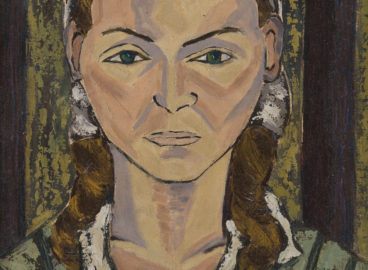
Malangatana as Anti/Colonial Subject (1959–74)
This text is a shortened version of a presentation made to C-MAP Africa group in October 2020 on Mozambican modernist, Malangatana Valente Ngwenya.
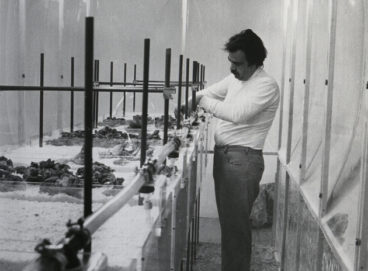
In 1972, Argentine artist Luis Fernando Benedit installed a hydroponic greenhouse environment, containing seventy tomato plants and fifty-six lettuce plants artificially supplied with light and a chemical growth formula, as well as an environment for white mice, “consisting of a maze, food source, material for burrowing, and an enclosed area for sleeping,” at MoMA.
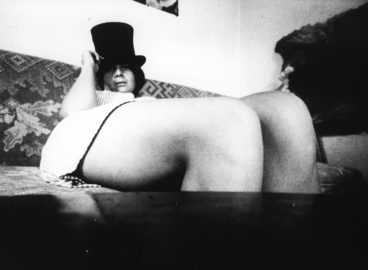
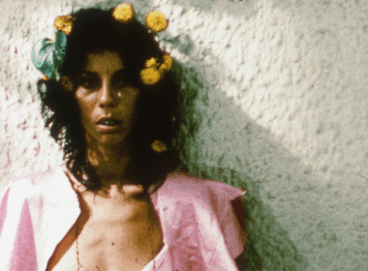
Shot in Rio de Janeiro’s poorest red-light district, and the city’s financial district, Neville D’Almeida’s Mangue-Bangue, presents a portrait of the “normality” of marginalized and criminalized bodies during Brazil’s military dictatorship.
This essay is a rare glimpse into the alternative publications of East Germany in the 1980s. Through an overview of the magazines of the period, and a close reading of various images, advertisements, and visual poetry within them, this essay underscores the vibrancy of the underground print scene in the last decade of the GDR.
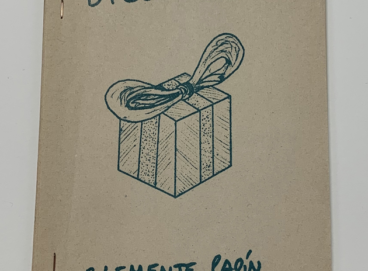
In this essay, Michaëla de Lacaze engages in a close reading of Happy Bicentennial (1976), one of the most radical pieces of mail art created by artist and poet Clemente Padín during the Uruguayan authoritarian regime of the 1970s.
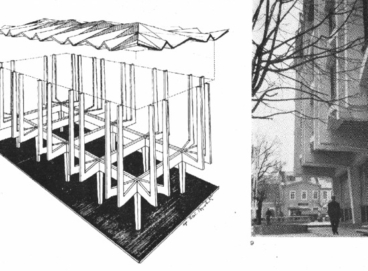
Raised during the socialist period of the former Yugoslavia, Irena Lagator Pejović examines two case studies of Yugoslav art and architecture that provide insights into Montenegro’s transition to neoliberalism.
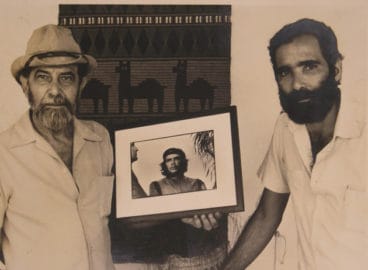
Karen Grimson comments on the inaccessibility of national archives in Cuba and questions art’s ability to contest censorship and battle the state of “disinformation” that has afflicted Cuban society for decades.
Waldemar Cordeiro’s work shifts from his involvement with Concrete Art in São Paulo (of which he was one of the central artists, critics, and curators), to landscape design, a unique take on Pop Art through his “Popcretos,” and his final 1970s experiments with computer art. Cordeiro’s 1970s works were produced while Brazil was ruled by a military dictatorship that was skilled and innovative in its manipulation of mass media to control society and manage dissent.
Thoroughly committed to novelty, invention, and atomic and space-age practices, the Crystalist group proposed completely new directions for art in Sudan in the 1970s. Their manifesto published in a Khartoum newspaper within the artistic context of the time introduces the Crystalist themes of transparency and dualism.
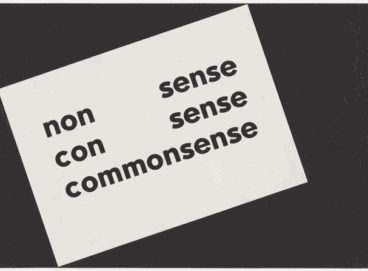
This series presents newly translated texts from the 1970s by Conceptual artists from Poland, Hungary, and Slovakia.
Experimenting with ideas of disruption, participation, community, and institutional critique, Argentine artist Marta Minujín blindfolded and “kidnapped” fifteen audience members as part of Kidnappening.
This series presents newly translated texts from the 1970s by Conceptual artists from Poland, Hungary, and Slovakia.