Hello, My Name Is Tamarra
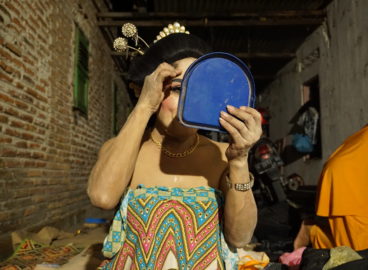
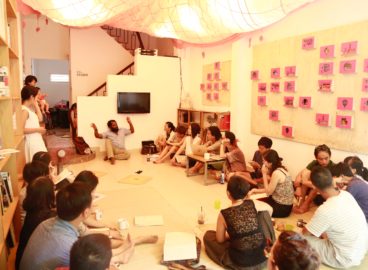
Artist and community organizer Tamarra reflects on the personal experiences, emotional complexities, socio-political events, and pilgrimages to non-binary communities across Indonesia that motivated Tamarra’s name change.
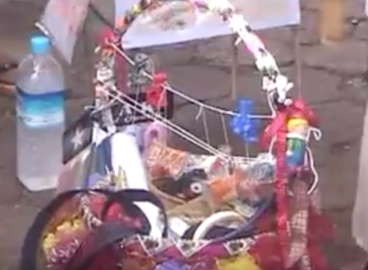
Eschewing assumptions about the absence of artistic and political agency under so-called “undemocratic” circumstances, Chaw Ei Thein and Htein Lin’s public performance Mobile Market / Mobile Gallery speaks to the prevalence—and symbiosis—of art and political action in Burma.
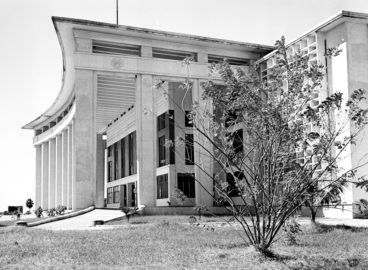
Da Hyung Jeong proposes a reading of Soviet-built structures in the region. He attempts to reveal the intentions behind their construction through an analysis of Soviet-era cultural criticism, socioeconomic studies, and encyclopedia entries.
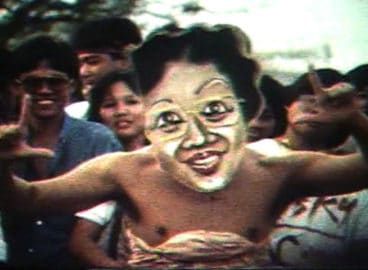
Through analyses of works by David Medalla, Nick Deocampo, and Yason Banal, art historian and curator Carlos Quijon, Jr. looks beyond categorical genres of queerness, proposing instead irreducible, methodological modes that embrace its felicitous potential.
In an effort to consider the variegated impacts of COVID-19, post has interviewed curators and directors from vital institutions around the world about how the pandemic has affected their conceptions and practices of programming, civic engagement, and care.