Making Waves: A Conversation with Laura Anderson Barbata
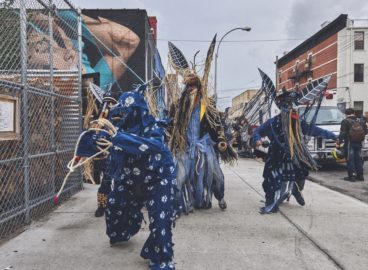
In this interview, Mexican-born, Brooklyn-based artist Laura Anderson Barbata highlights the importance of reciprocity and shared knowledge in her community-based, trans-disciplinary practice.
In this interview, Mexican-born, Brooklyn-based artist Laura Anderson Barbata highlights the importance of reciprocity and shared knowledge in her community-based, trans-disciplinary practice.
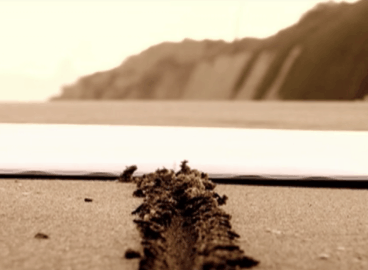
This conference series, organized by the Cisneros Institute, looks at the history of water management in the Americas through the interdisciplinary work of artists, theorists, historians, and local communities.
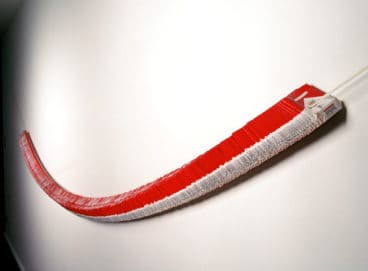
Made of 1200 cigarette packs, Jac Leirner’s Lung works both reflect the consumerism of which they are born but also transcend far beyond it while conjuring tropes from Minimalism, Conceptual Art, Pop Art as well as Neo-Concrete art of her native Brazil.
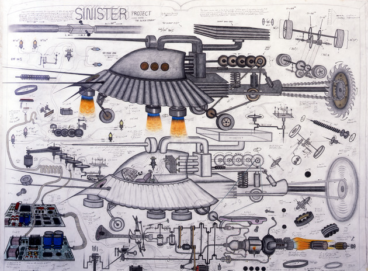
Responding with imagination to the brutality and violence of Sierra Leone’s civil war (1991-2002), Abu Bakarr Mansaray’s monumental drawing Sinister Project depicts a fictitious war machine with careful detail that reveals the artist’s background in science and engineering.
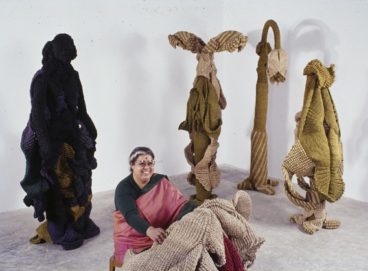
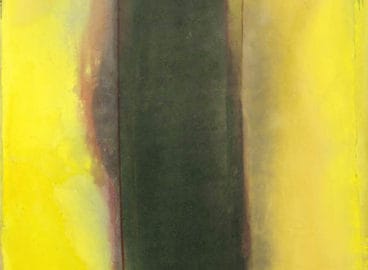
Mrinalini Mukherjee’s work does not easily fit any neat categories, whether “Post-Minimalism,” “Fiber art” or “craft.” Considering Yakshi (1984) in MoMA’s reinstalled galleries, the essay highlights the influence of her cultural background on her methods and materials.
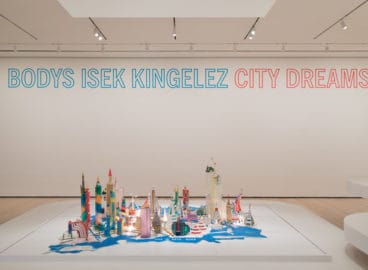
The sculptures of Congolese artist Bodys Isek Kingelez (1948-2015) offer a vision of a future modernity that is beautiful, harmonious, and functional.
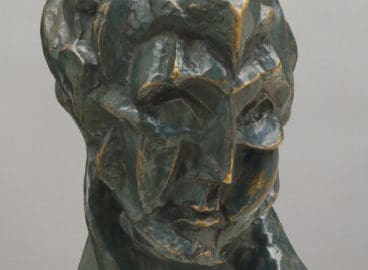
The names, cultures, and nationalities of African artists who influenced Picasso have historically been omitted from scholarship. Yet Picasso’s interest in African masks is well-known. In this essay, MoMA staff member Kunbi Oni charts the implications— and possibilities—that closer attention to the makers of such masks could shed on modern art.
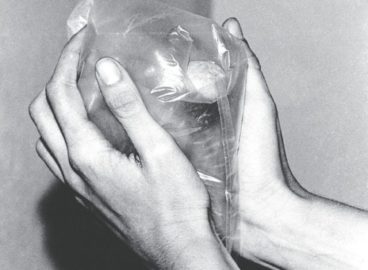
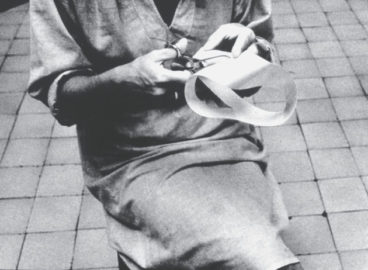
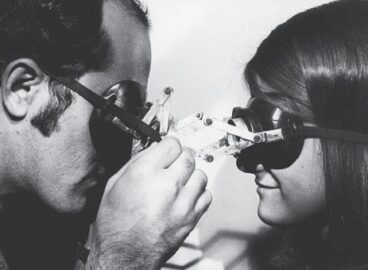
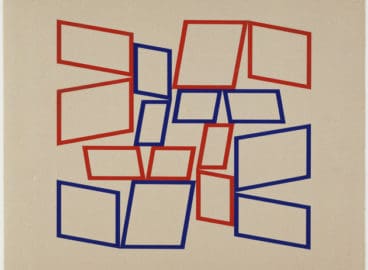
Through Brazilian musician Caetano Veloso to ancient Roman philosopher Pliny the Elder, scholar Luis Pérez-Oramas outlines and contextualizes Brazilian artist Lygia Clark’s vast body of work. The third and final section of this essay connects the sculptural nature of Clark’s paintings and the human body’s activation in her later works.
Through Brazilian musician Caetano Veloso to ancient Roman philosopher Pliny the Elder, scholar Luis Pérez-Oramas outlines and contextualizes Brazilian artist Lygia Clark’s vast body of work. Part two of this essay positions Clark’s paintings as architectural explorations and living organisms.
Through Brazilian musician Caetano Veloso to ancient Roman philosopher Pliny the Elder, scholar Luis Pérez-Oramas outlines and contextualizes Brazilian artist Lygia Clark’s vast body of work. Part one of this essay examines Clark’s early works as form-based and the underlying performative aspects of their construction.
If the Caribbean has largely been subtracted from those better-known narratives of art and artists that dominate the Atlantic world, attempts to mend this failing have often brought about mixed results. How may we come to appreciate that Caribbean experience is integral to the historical development and understanding of modern and contemporary art?
Going beyond the context of modern Brazil and its experimental art scene, this essay traces a wide genealogy for his body of work, from local traditions such as samba to European intellectual figures such as Friedrich Nietzsche.