1990s

Juan Acha: A Latin American Perspective on Art

In this essay, art historian Rita Eder reviews, from a personal and first-hand point of view, the breadth and impact of Juan Acha’s critical contribution to Latin American art from the 1970s to the 1990s. She locates Acha’s theory of no-objetualismo (non-objectualism) within his wider production and considers his preoccupations with materiality, artistic hierarchies and the circulation…

Juan Acha: pensar el arte desde América Latina

En este ensayo, Rita Eder revisa, desde su experiencia de primera mano, el profundo impacto del legado de Juan Acha. Su contribución al arte latinoamericano de los 70s, 80s y 90s es presentada por Eder en este texto que sitúa el desarrollo de la teoría del no-objetualismo en el amplio corpus de la producción de Acha que…

5 Questions with Sabih Ahmed

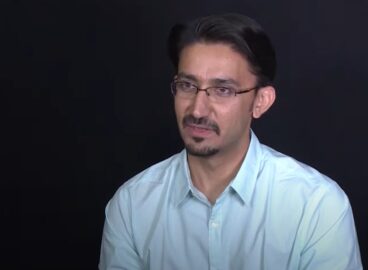
This interview featuring Asia Art Archive (AAA) Senior Researcher Sabih Ahmed is part of post’s new theme Challenging the Global: C-MAP Experts Respond to 5 Questions. Here, Ahmed shares his thoughts on considering practices from the ground up and looking to lateral associations.

Photography and Modern Indian Architecture (1949-1990s)

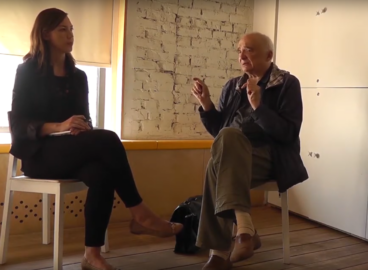
Ram Rahman (photographer, designer, curator and activist) discusses key examples of modernist architecture in post-colonial India. Using photographic documentation and archival materials, he surveys the landscape of architects, designers, photographers, entrepreneurs, and intellectuals working (primarily in New Delhi) between the 1950s and 1990s. This presentation is excerpted from a closed-door session with MoMA’s C-MAP Asia…

Álvaro Siza Vieira’s Iberê Camargo Museum

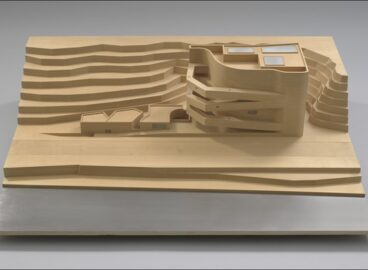
The Iberê Camargo Foundation, a museum in Porto Alegre designed by Álvaro Siza Vieira (Portuguese, 1933–) and devoted to one of Brazil’s most renowned artists, features nine galleries stacked in a vertical volume from which undulating passages in white concrete cantilever to connect the building’s different public levels. The building’s form reveals a multiplicity of…

行動繪畫不是書法: 楊詰蒼訪談

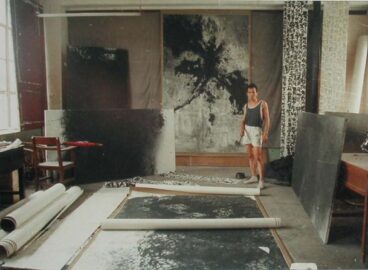
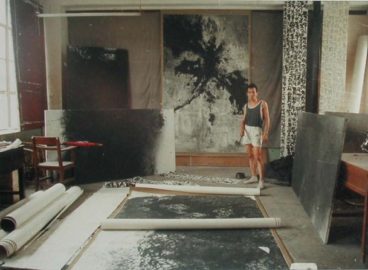
“A Conversation with Yang Jiechang” is available in Chinese and English. Yang talks about his “art education” during the Cultural Revolution, when he served as a Red Guard in a small village, and describes how the study of calligraphy extinguished his enthusiasm for revolution and political propaganda. Read the English translation here. 巴黎楊詰蒼工作室 24 June 2014…