5 Questions with Santiago Rueda
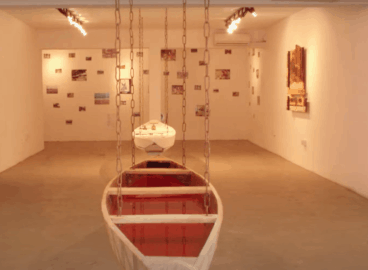
independent curator and contemporary art researcher Santiago Rueda discusses the importance of understanding local art histories in Colombia and broader artistic developments and narratives as interrelated processes.
independent curator and contemporary art researcher Santiago Rueda discusses the importance of understanding local art histories in Colombia and broader artistic developments and narratives as interrelated processes.
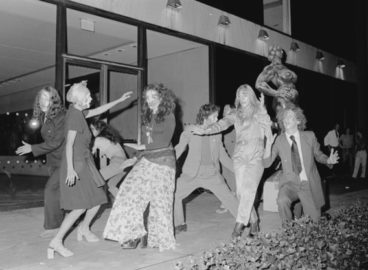
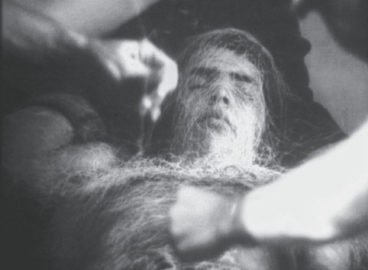
Experimenting with ideas of disruption, participation, community, and institutional critique, Argentine artist Marta Minujín blindfolded and “kidnapped” fifteen audience members as part of Kidnappening.
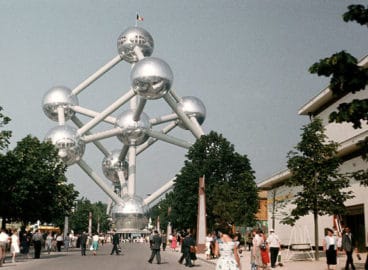
When the Brussels Expo presented the exhibition Fifty Years of Modern Art in 1958, it unintentionally pioneered a more broadly global view of modern art, although not without some friction.
Going beyond the context of modern Brazil and its experimental art scene, this essay traces a wide genealogy for his body of work, from local traditions such as samba to European intellectual figures such as Friedrich Nietzsche.
This series presents newly translated texts from the 1970s by Conceptual artists from Poland, Hungary, and Slovakia.
Artist, writer, and educator Lucas Ospina thoughtfully approaches the promotion of Latin American art much like, he says, any good translator who knows that certain information cannot be translated accurately.
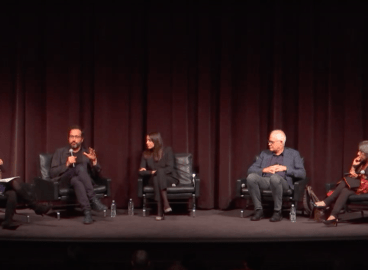
As part of an ongoing collaboration between the Jaipur Literature Festival and MoMA, this post Presents discussion “Patriot Games: Contextualizing Nationalism” explores nationalism around the world, with panelists Urvashi Butalia, Bouchra Khalili, Bruce Robbins, Eyal Weizman, and moderator Marie Brenner.
In the mid-1960s, Brazilian artist Lygia Clark turned from painting and sculpture to make participatory “proposições” (propositions). In the 1970s, she started “corpo coletivo” (collective body) experiments.
Bisi Silva discusses the history of the organization and how it serves to introduce theoretical discourse and build connections among practitioners across the continent.
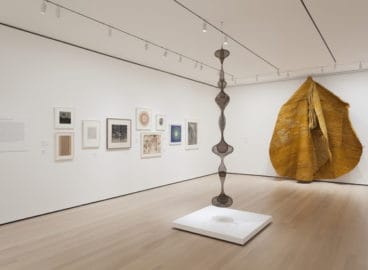
Yellow Abakan and Pregnant by Magdalena Abakanowicz engage with a diverse range of materials that address the limitations of working as a female sculptor under state socialism.
José Roca examines institutional and social interaction with Latin American Art as a genre. He considers the development of Latin American cultural movements in relation to lagging North American and European artistic growth.
Shi Lu’s 1955 trip to India to oversee the design of the Chinese Pavilion at the Indian Industries Fair and his 1956 trip to Egypt for the Afro-Asian Art Conference offer a lens for understanding the PRC’s outreach and artistic diplomacy in the Cold War era.