1990s

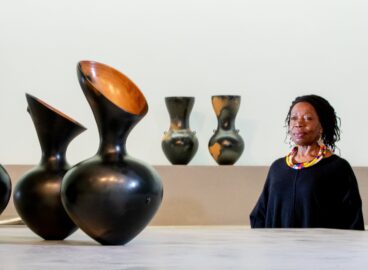
Sacred and Agentic Landscapes in Peruvian Contemporary Indigenous Art / Paisajes sagrados y con agencia en el arte indígena contemporáneo peruano

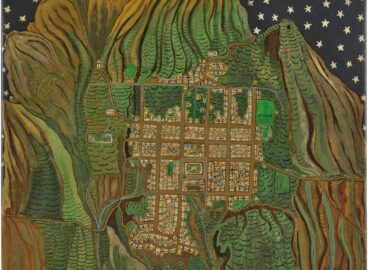
This essay by art historian Gabriela Germana Roquez delves into the significance of landscape in the art of the Sarhua community in the Peruvian Andes and the Shipibo-Konibo people in the Amazon. Through her analysis, Germana Roquez illuminates how these artworks depict, embody, and summon the landscape, emphasizing the active role of the natural world…

A Woman in the World: Everlyn Nicodemus

In the mid-1980s, over the course of three years and across three continents, feminist artist Everlyn Nicodemus (born 1954, Kilimanjaro, Tanzania) gathered together women to discuss their everyday experiences. From these conversations, which took place in Skive, Denmark; Kilimanjaro, Tanzania; and Calcutta (now Kolkata), India, she produced a series of seventy-five paintings and related poems that…

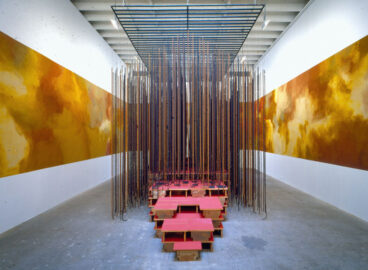
Materiality Against the Grain: Conspiratorial Materialisms and Afro-Diasporic Arsenal / Materialidad a contrapelo: materialismo conspiratorio y arsenal afrodiaspórico

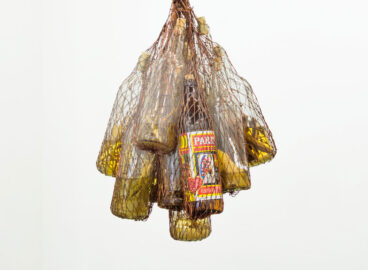
On Conspiratorial Materialisms Firearms, Molotov cocktails, flags, and banners are some of the objects in an arsenal of protests and revolts. Alongside clenched fists and enraged bodies, these objects form an imaginary of human gestures associated with the uprising. Art historian and curator Georges Didi-Huberman dedicated the exhibition Uprisings (2016–17) to this theme, assembling artworks…

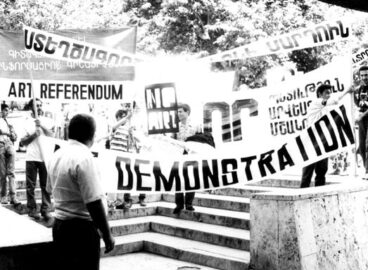
Performative Gestures and Limits of Resistance in Armenian Contemporary Art (1987–2008), Part III

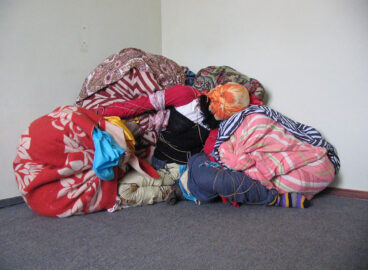
The Fragile Body and the Damaged Subject: A Decade of Crisis and Resistance (1998–2008) If in the early to mid-1990s, performative actions in Armenia were, to a large extent, launched by situational or strategic collectives and groups as interventions—as correctives to institutional operations of the state and the artworld—and motivated by the desire to communicate…