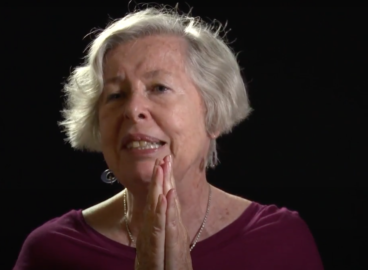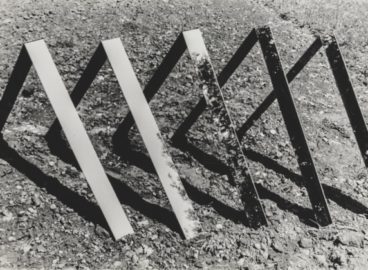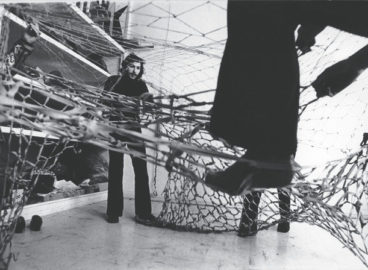
Part 2: Lygia Clark: At the Border of Art
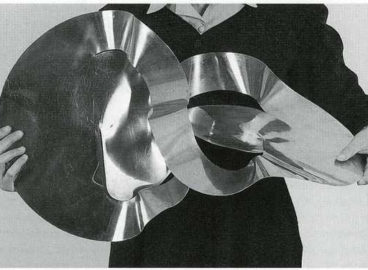
Curator Christine Macel traces the connections between Brazilian artist Lygia Clark’s fascination with psychoanalysis and subsequent exploration of the body and mind in art.
Curator Christine Macel traces the connections between Brazilian artist Lygia Clark’s fascination with psychoanalysis and subsequent exploration of the body and mind in art.
Curator Christine Macel traces the connections between Brazilian artist Lygia Clark’s fascination with psychoanalysis and subsequent exploration of the body and mind in art.
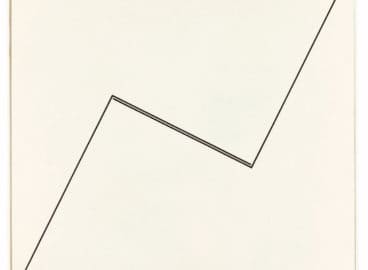
Twelve ink drawings by Hércules Barsotti explore a radical geometry and a systematic mode of working that, already in 1960, point to a new mode of working for the Brazilian artist.
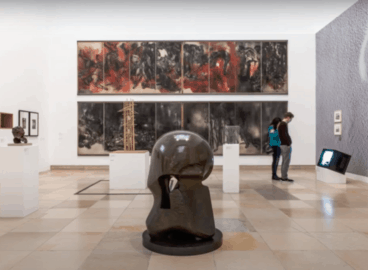
Postwar: Art Between the Pacific and the Atlantic, 1945-65, an exhibition on view at Haus der Kunst in Munich from October 2016 – March 2017, presents the period and its art as already global, multi-faceted, and modern.
Sarah Suzuki examines Schendel’s use of Japanese paper in the work at Objeto Gráfico (1967).
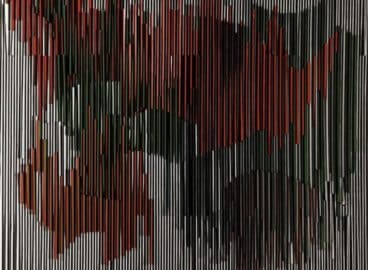
Physichromie 21 by Venezuelan artist Carlos Cruz-Diez is another highlight of the Cisneros’ gift to the Museum. Anne Umland, traces this work back to the artist’s studio in Paris in the 1960s and explores the ways Cruz-Diez’s Physichromie series is dependent on active viewer participation and contingencies of lighting.
Samantha Friedman comments on the importance of the work in the development of Brazilian modern art.
Acha established himself as a vigorous critical voice in Peru at a time when Conceptualist artistic approaches and political events such as the riots and military coup of 1968 strongly inflected the local art scene.
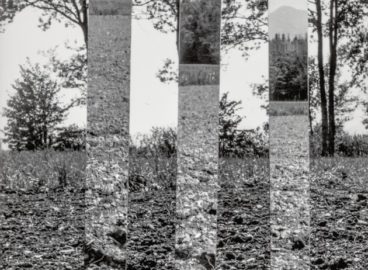
Twenty images of artworks and related materials by the Slovene group OHO from the MoMA Archives have been digitized and made accessible here.
Miguel A. López, curador y escritor, da una mirada a los textos tempranos de Juan Acha, quien se consolidó como una voz crítica y vigorosa en Perú, en tiempos en que la escena artística local estaba siendo fuertemente influenciada por las prácticas conceptualistas, los disturbios politicos y el golpe military de 1968. Read the essay…
Renowned Chilean critic Adriana Valdés talks about the Chilean art scene during the dictatorship and about the work of Eugenio Dittborn.
Consulting the MoMA Archives, this essay highlights and expands upon connections between the Slovene conceptual artists OHO Group and one of the Museum’s most well-known exhibitions.