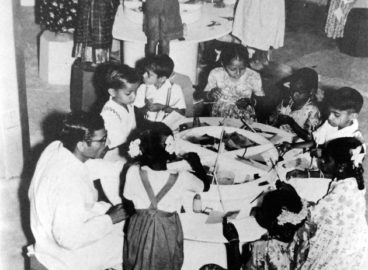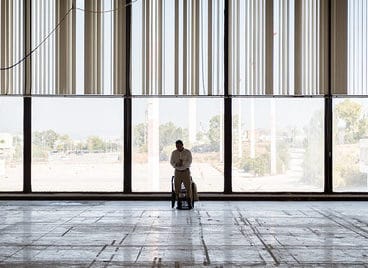
An Educator’s Report on Dhaka Art Summit and “Where is Space”
Lyn Hsieh reflects on education strategies she encountered during the C-MAP Asia group trip to India and Bangladesh in January 2018.
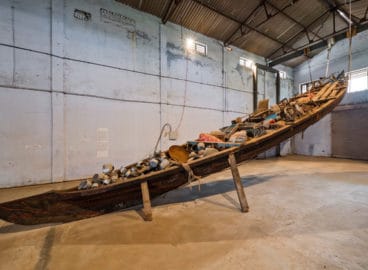
The Kochi-Muziris Biennale has produced three exhibitions since its inception in 2012, with its fourth edition opening in December 2018. This essay sites the biennale within the historical context of the twin port cities of Kochi and Muziris, as well as within the recent burgeoning of the biennial as a international format for viewing “global” art and representing local identities.
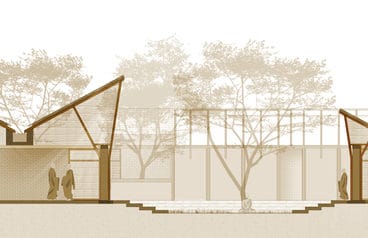
The recent documentary “Reading Architecture” (2017) explores the contemporary history of design in India across five practices in Mumbai. Sameep Padora, one of five featured architects, is the founder of Sameep Padora & Associates (sP+a), a Mumbai (India) based architecture studio. In 2016, he initiated sPare, a research arm of the studio.
This essay charts the emergence of Colombo Art Biennale and Colomboscope in Sri Lanka, based on a talk that the author gave on February 10, 2018 at the panel “Writing Recent Exhibition Histories of Large Scale Recurring Exhibitions in South Asia” at the Dhaka Art Summit (DAS).
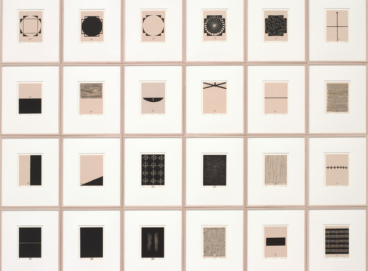
The interview with Zarina considers the artist’s life and work as a bridge between New Delhi and New York.
MoMA’s C-MAP research program developed an extended focus on historical alliances such as Bandung, the Non-Aligned Movement (NAM), pan-Africanism, pan-Arabism, and other south-south, east-east, and Third World nexuses. This conversation addresses such pasts, and their reverberations in the present, as they appear in Mohaiemen’s media-based practice.
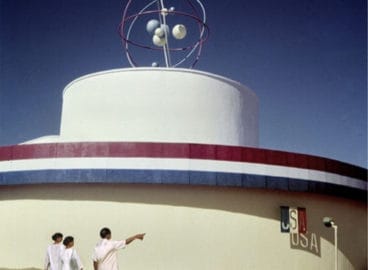
Shi Lu’s 1955 trip to India to oversee the design of the Chinese Pavilion at the Indian Industries Fair and his 1956 trip to Egypt for the Afro-Asian Art Conference offer a lens for understanding the PRC’s outreach and artistic diplomacy in the Cold War era.
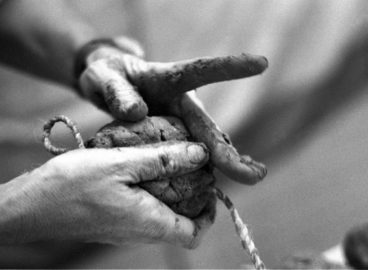
This essay considers Robert Rauschenberg’s 1975 residency in Ahmedabad, India, which fostered an environment of exchange and collaboration between Rauschenberg and the Sarabhai family.
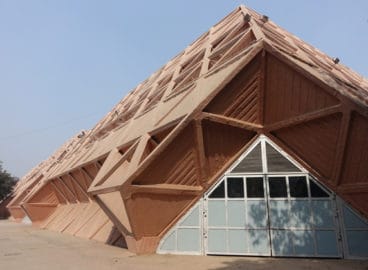
Despite protests and petitions from leading architects and architectural historians across the world, the Hall of Nations was surreptitiously demolished overnight on April 23-24, 2017. In this essay, Stierli bids farewell to architect Raj Rewal’s iconic building—a hallmark of modernist architecture in post-independence India.
Film curator La Frances Hui attended the International Film Festival of Kerala and follows up with this discussion of the award-winning Malayalam feature Sexy Durga by Sanal Kumar Sasidharan.
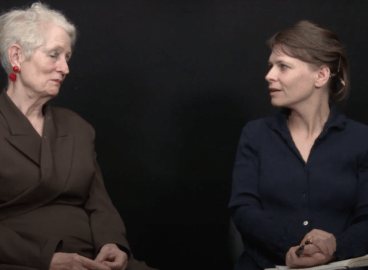
Art historian Emilia Terracciano examines the possibility of developing and de-colonizing narrative tools for the writing of (Indian) art history.
Art historian and curator Atreyee Gupta discusses the particularity and situatedness of perspectives, and presents the national and the regional as possibly conflicting categories, challenging us to unlearn both Western and Indian art history.