Part 2: Lygia Clark: At the Border of Art
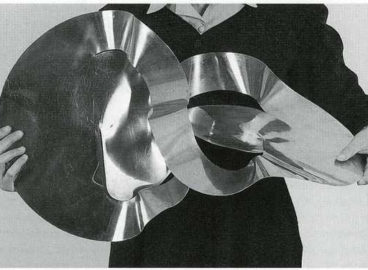
Curator Christine Macel traces the connections between Brazilian artist Lygia Clark’s fascination with psychoanalysis and subsequent exploration of the body and mind in art.
Curator Christine Macel traces the connections between Brazilian artist Lygia Clark’s fascination with psychoanalysis and subsequent exploration of the body and mind in art.
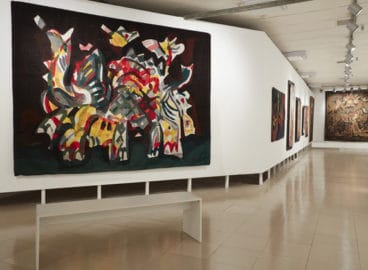
Art historian Sara Blaylock discusses experimental practices in the German Democratic Republic (GDR) during the 1980s within a global context.
Art historian María Clara Bernal discusses the necessary work of negotiating context and difference in art history, and the importance of Conceptual art and Land art for the Colombian art scene of the 1980s onwards
Curator Christine Macel traces the connections between Brazilian artist Lygia Clark’s fascination with psychoanalysis and subsequent exploration of the body and mind in art.
Film historian and curator Ashish Rajadhyaksha discusses the need for a canon, the year 1971, cracks in the bastion of the nation(al), the belated effects of censorship, and the pluralization of globalities
Architect and artist Simón Hosie reflects on the changing dynamics of architecture in Colombia today, focusing on qualities such as context, the human element, and sustainability.
“In your practice, how do you approach the challenges that arise when presenting art from contexts that are not familiar to your audience?” With the dominance of the biennial model and the aggressive globalization of art institutions, such a question is as pertinent to a curator as it ever was.
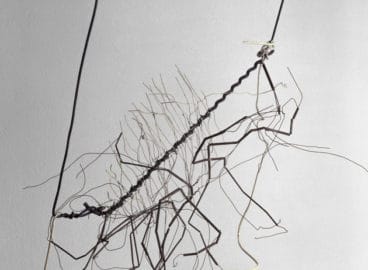
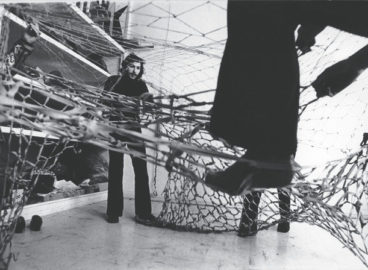
Gego (1912–1994, Gertrud Goldschmidt), arguably the most influential Venezuelan artist of the twentieth century, was the critical counter-figure of Venezuelan Kineticism.
Art historian Sarah James considers art produced in the German Democratic Republic (GDR), reflecting on its circulation in both international and local contexts.
In this 5 Questions video, art historian Gina McDaniel Tarver, a specialist in modern and contemporary Colombian art, comments on the importance of local immersion to challenge categorical thinking.
Diana Campbell Betancourt, Artistic Director of Samdani Art Foundation and Chief Curator of Dhaka Art Summit, interviewed Syed Jahangir, artist and founder of the Asian Art Biennale, the oldest existing biennial of contemporary art in Asia.
Art historian Ana María Reyes discusses the importance of reception and institutional framing in understanding works of art and identifies key moments of Colombian art history.