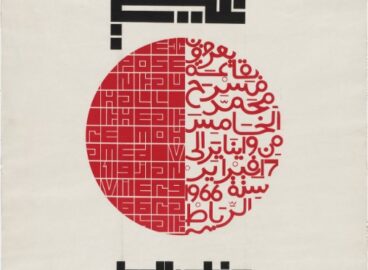
Painting

Modern Art in the Arab World: Primary Documents – On the Concept of Painting and the Plastic Language

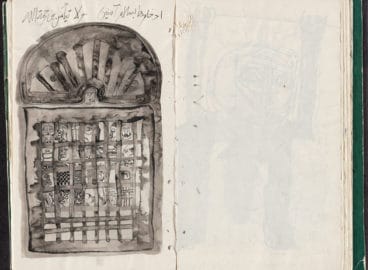
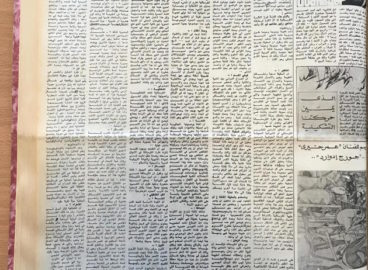
In Morocco in the mid-1960s, the National School of Fine Arts in Casablanca offered a new cohort of avant-garde thinkers—including artists Farid Belkahia, Mohammed Chebaa, and Mohammed Melehi—a platform for developing new models of decolonized, integrated artistic practice. Such an agenda is set forth in this position statement written by Chebaa on the occasion of the three-person Belkahia, Chebaa, and Melehi exhibition at the Mohammed V Theatre gallery in Rabat.
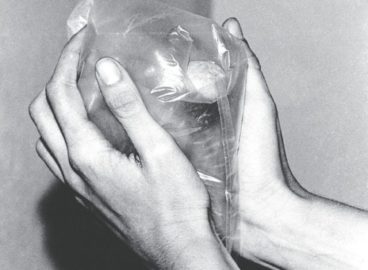
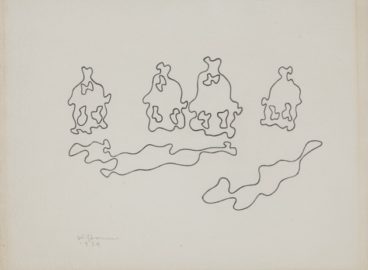
Part 3: Lygia Clark: If You Hold a Stone

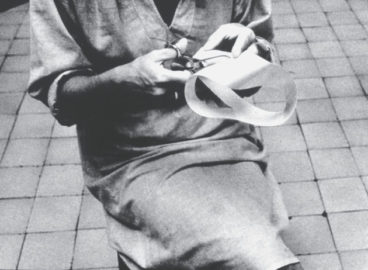
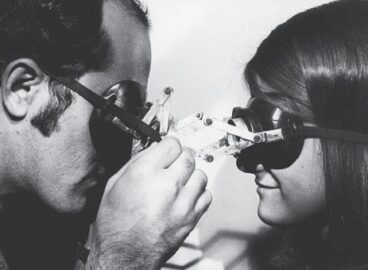
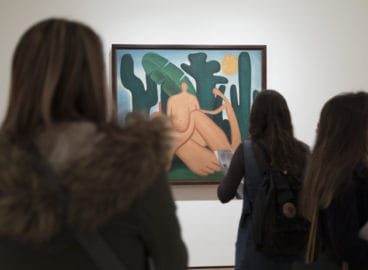
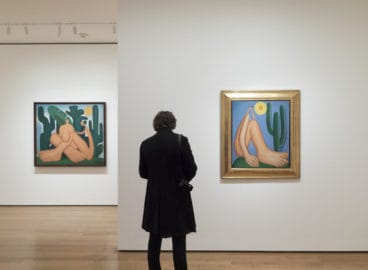
Through Brazilian musician Caetano Veloso to ancient Roman philosopher Pliny the Elder, scholar Luis Pérez-Oramas outlines and contextualizes Brazilian artist Lygia Clark’s vast body of work. The third and final section of this essay connects the sculptural nature of Clark’s paintings and the human body’s activation in her later works.

Modern Art in the Arab World: Primary Documents – Visitors’ impressions of the 1933 Palestine Pavilion at the First National Arab Fair

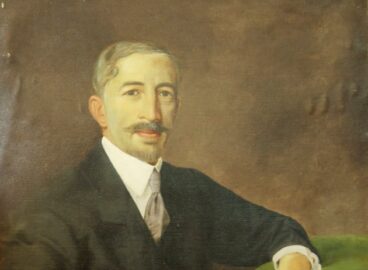
The texts below are entries taken from the 1933 guest book from the first solo exhibition of the work of Zulfa al-Sa‘di (1905–1988), a young Palestinian female artist, held in the Palestine Pavilion at the First National Arab Fair, organized in Jerusalem under the auspices of the Supreme Muslim Council.

Modern Art in the Arab World: Primary Documents – The Crystalist Manifesto

The publication, Modern Art in the Arab World: Primary Documents (2018), edited by Anneka Lenssen, Sarah Rogers, and Nada Shabout, offers an unprecedented resource for the study of modernism: a compendium of critical art writings by twentieth-century Arab intellectuals and artists. The selection of texts—many of which appear for the first time in English—includes manifestos, essays, transcripts of roundtable discussions, diary entries, letters, and the guest-book comments including those featured here.