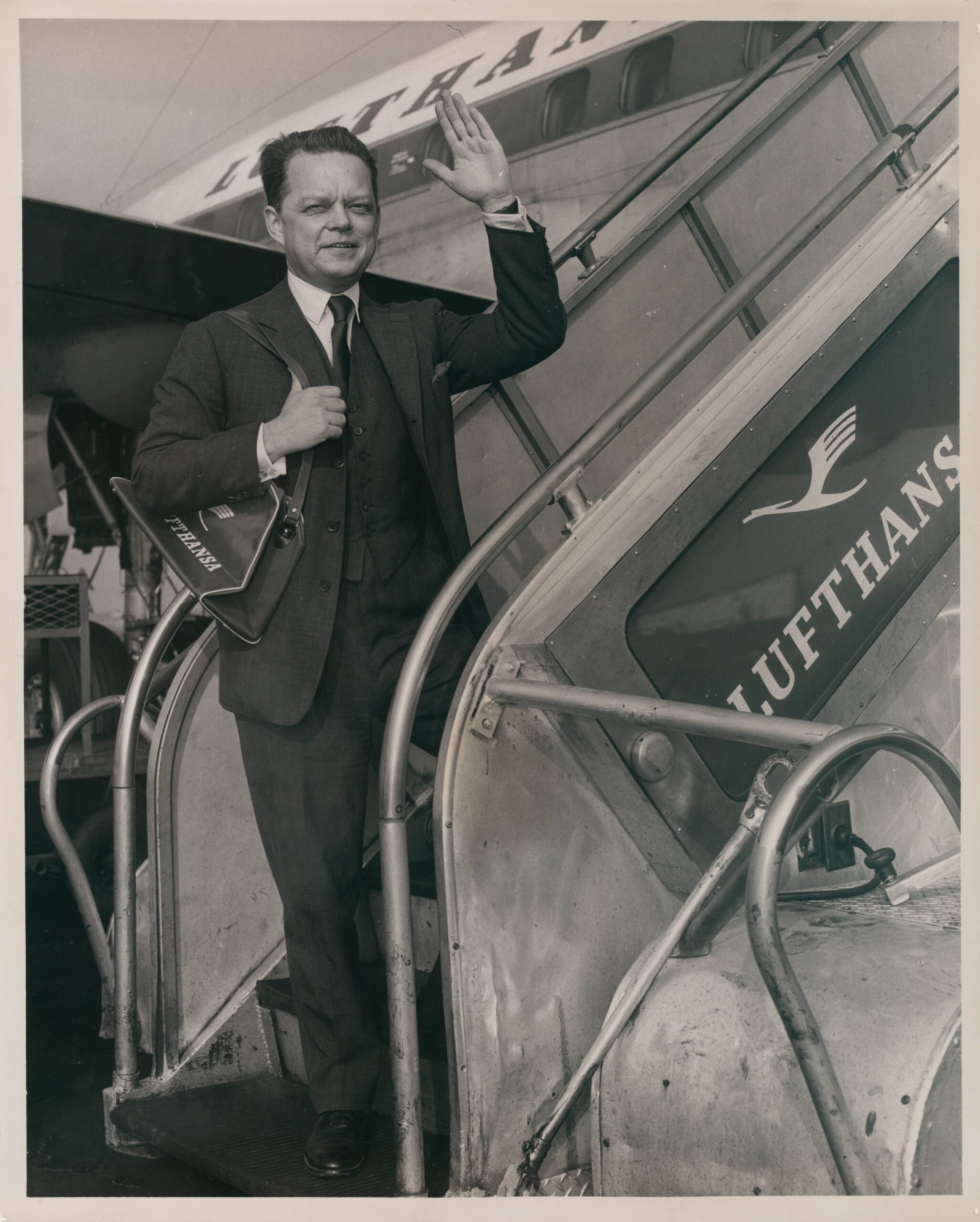
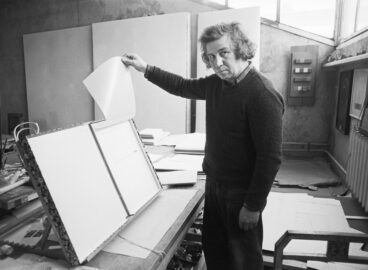
Jay A. Levenson, esteemed Director of the International Program at The Museum of Modern Art and beloved colleague, friend, and mentor, passed away in Mumbai in February 2026. It is with great sadness that we mark his untimely death. Levenson joined the Museum in 1996 and led its International Program for three decades, playing a pivotal role in expanding MoMA’s global research and curatorial initiatives.
The following interview, entitled “MoMA and the World: The International Program,” conducted in 2010 by Amy Horschak, former Assistant Director, Academic Programs, was originally published on MoMA’s Inside/Out blog. In this wide-ranging conversation, Levenson reflects on the International Program and his vision for its evolving mission. As part of spearheading a new direction for the International Program, he paved the way for post: notes on art in a global context, the online platform for publishing on the Museum’s global research program that he initiated in 2013.
We are republishing this interview, with necessary updates, in Levenson’s memory and in recognition of his long-standing contributions to the work of MoMA’s International Program and to the broader field of museum practice.
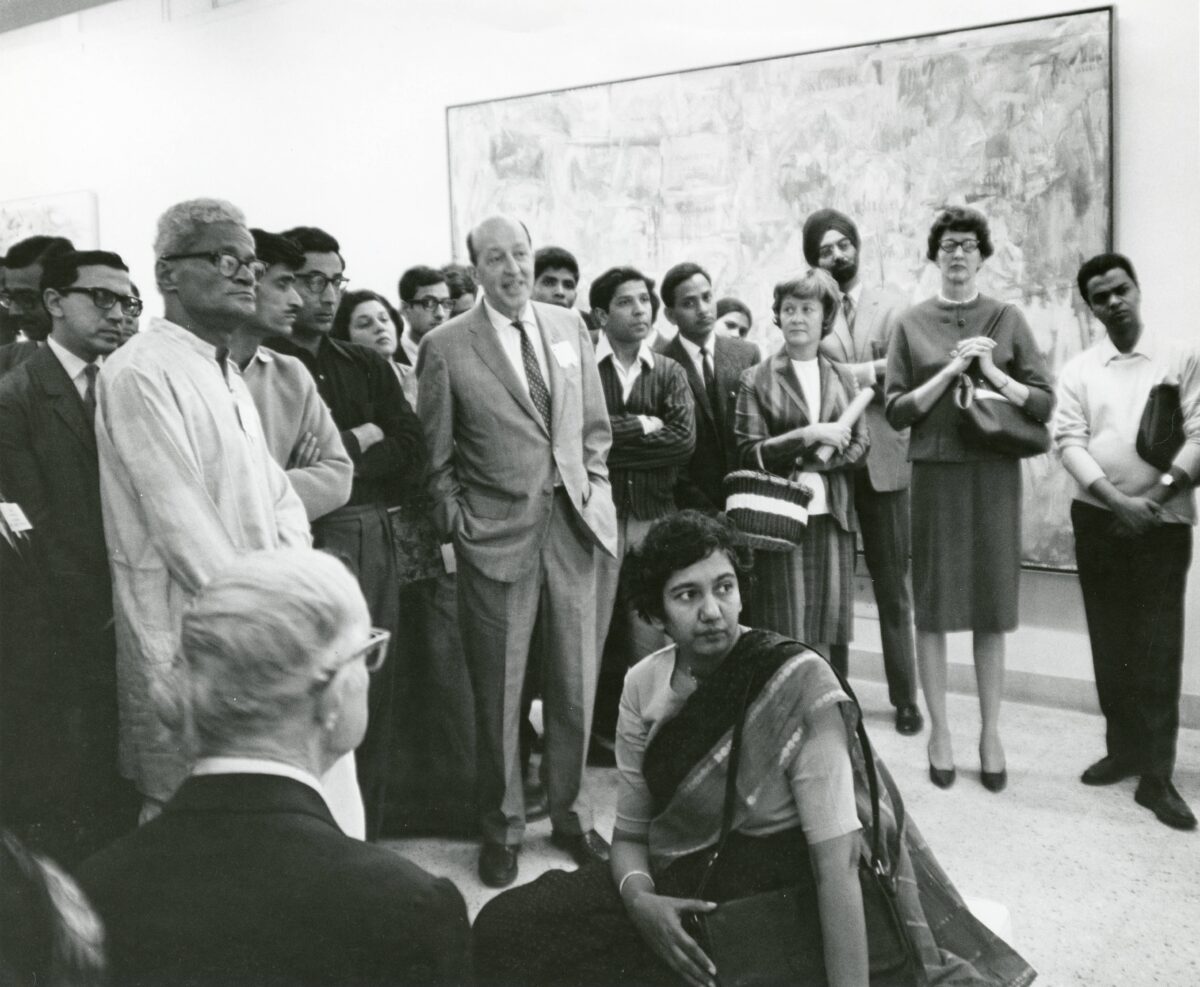
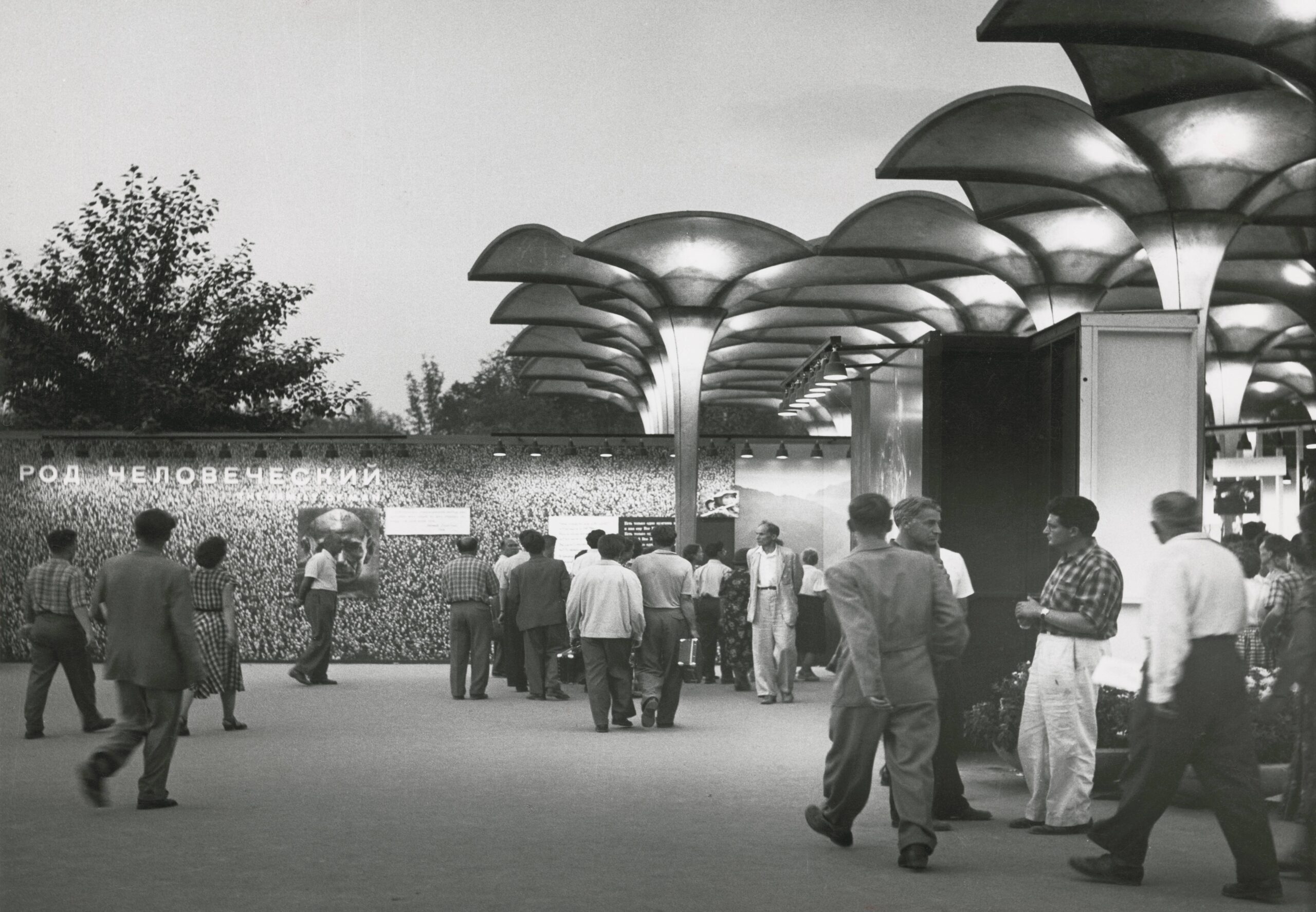
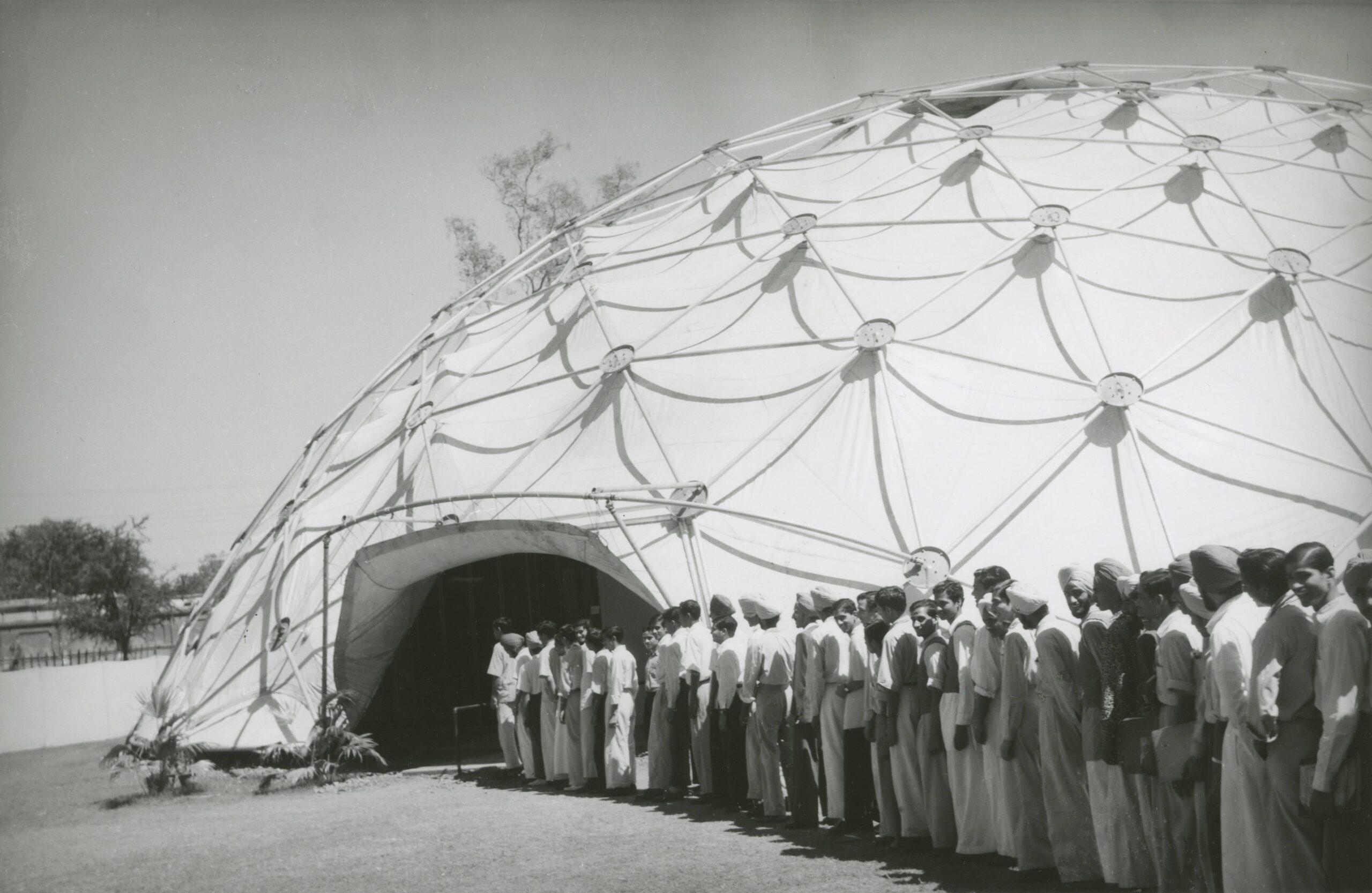
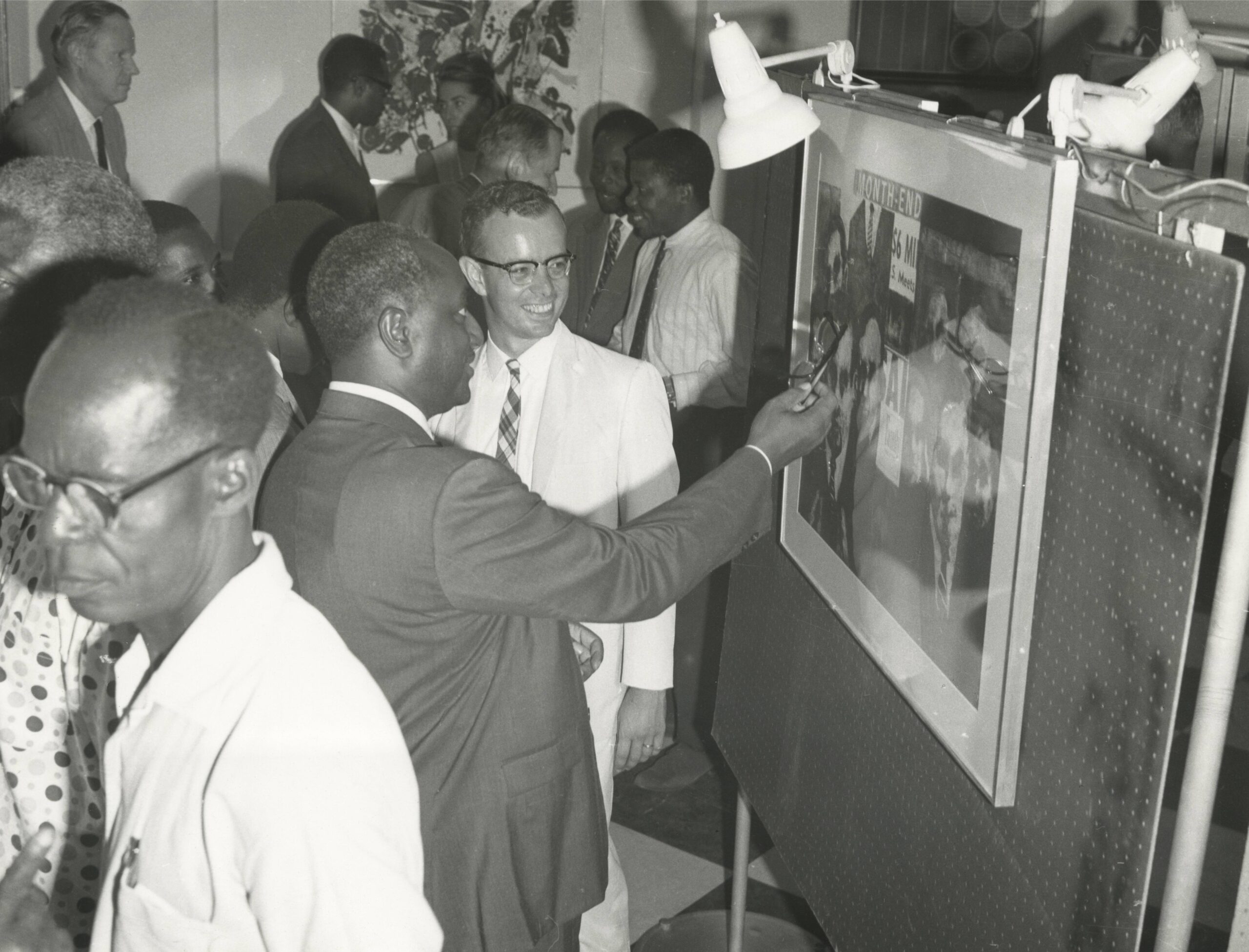
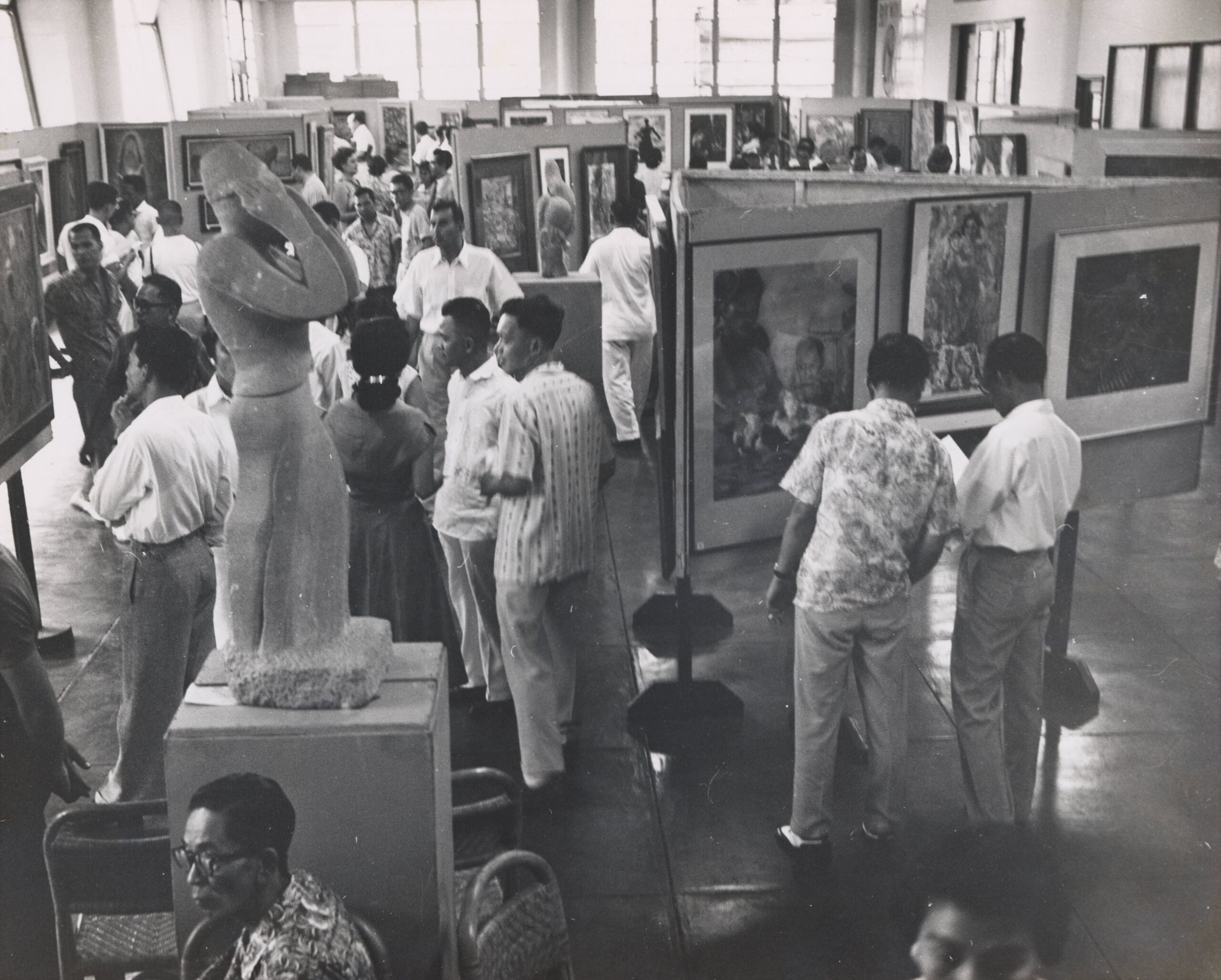
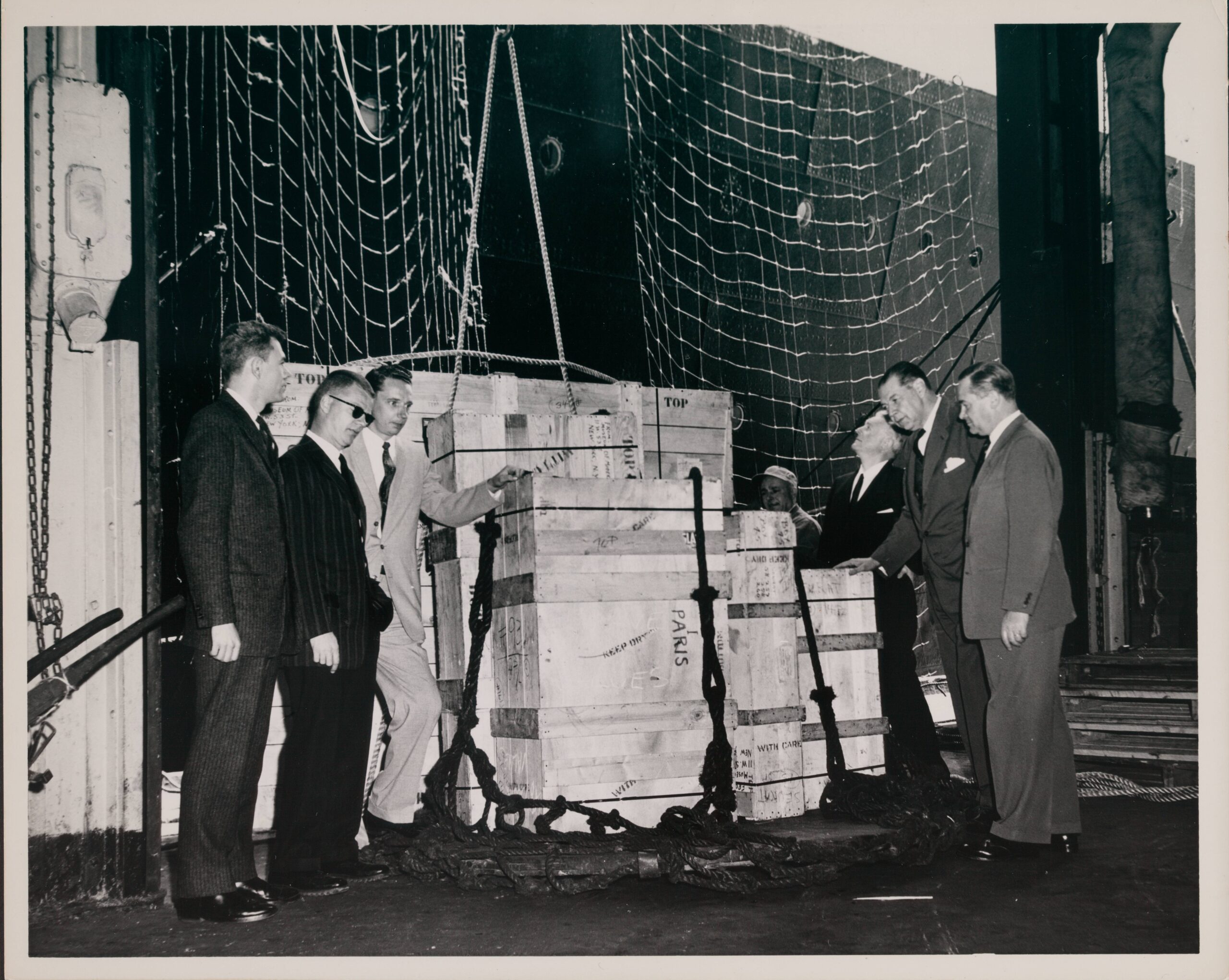
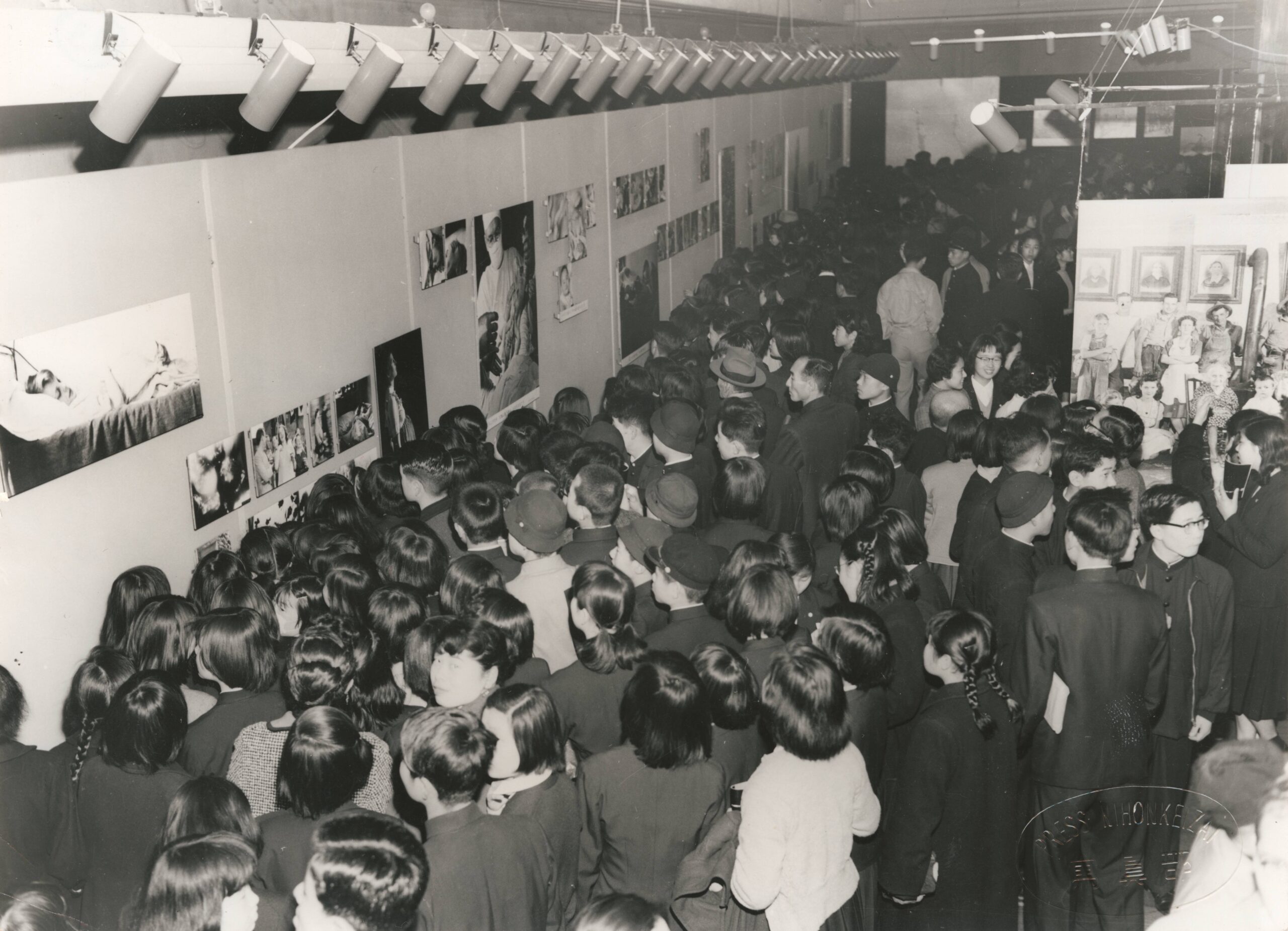
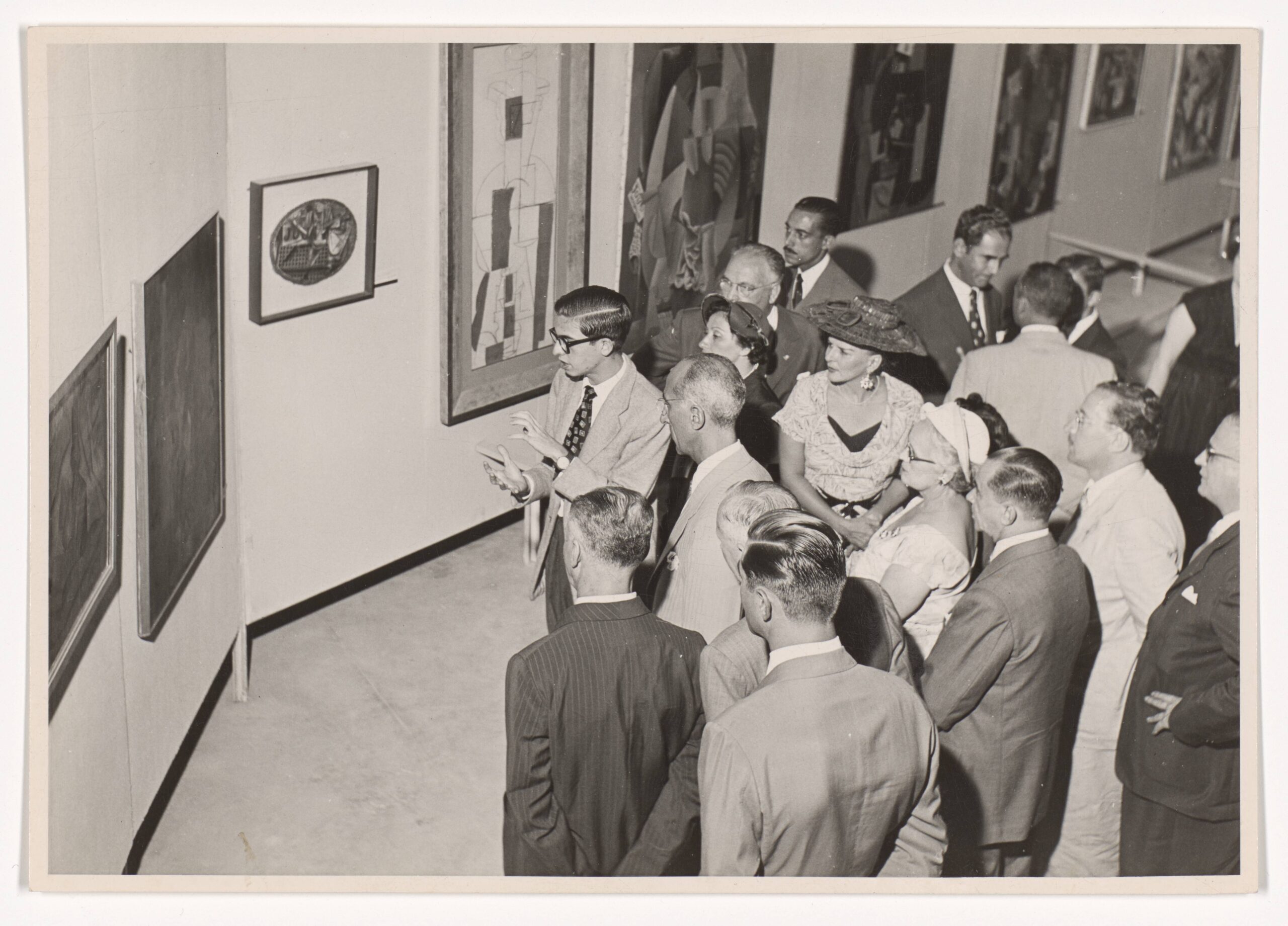
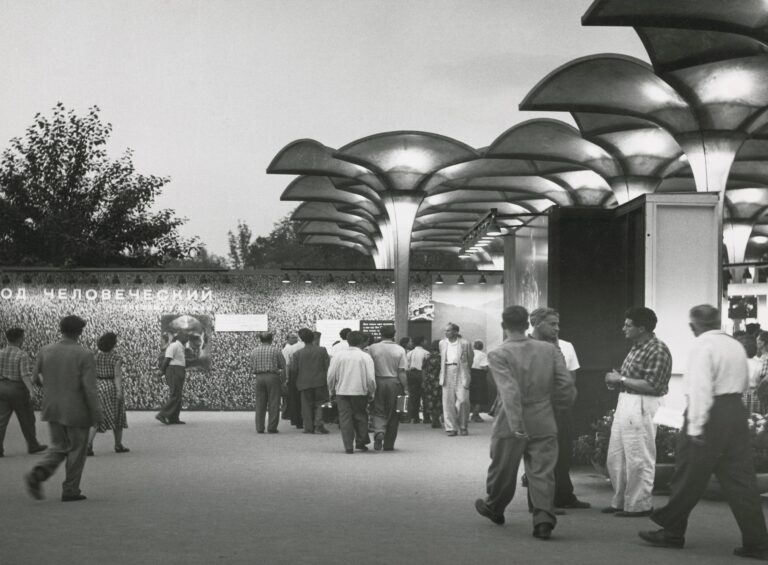
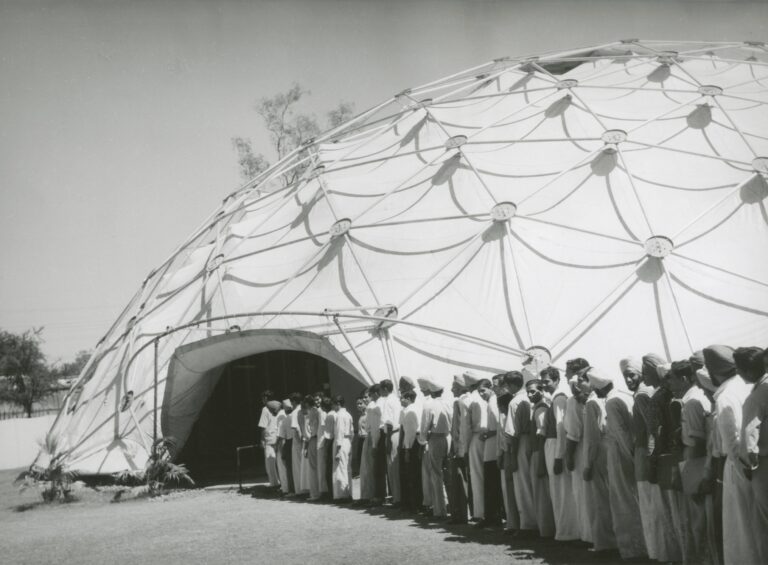
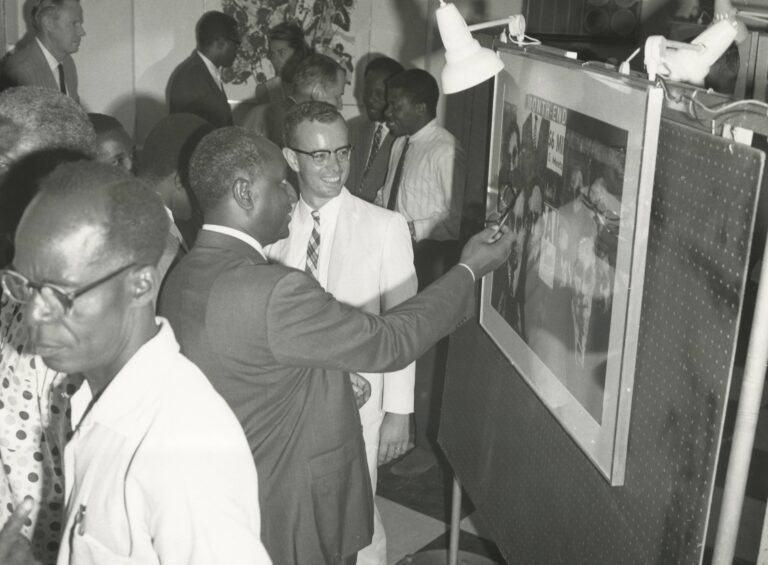
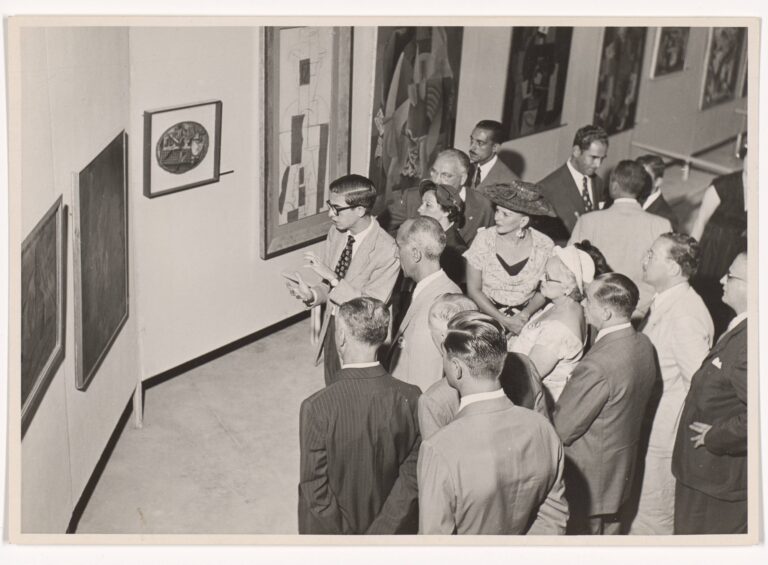
In 1952, The Museum of Modern Art established the International Program of Circulating Exhibitions, which was supported by a grant from the Rockefeller Brothers Fund, with the aim of sending exhibitions to museums around the world. The following year, the International Council was organized to provide long-term financial support to the program.
Amy Horschak: In light of MoMA’s installation Abstract Expressionist New York [2010–11] and the exhibition of many of the “AbEx” artists abroad by the International Program (IP) in the 1950s, can you comment on the often-made claims that the IP was, at that time, part of a CIA project? As Eva Cockcroft commented in her 1974 essay “Abstract Expressionism, Weapon of the Cold War,” “The political relationship between Abstract Expressionism and the Cold War can be clearly perceived through the international programs of MoMA.”
Jay Levenson: That’s a quotation that in some ways is probably close to the truth and in others is extremely misleading. One of the program’s major goals in those days was to help American artists become better known internationally. The United States has never had a ministry of culture, and in the early years of the program the Federal government was hamstrung by McCarthyism. The Museum felt it would be disastrous for the government to become involved with the visual arts, so it made perfect sense for MoMA to take the lead in circulating shows of contemporary American artists. And of course the Museum had to be aware of the importance of promoting American culture internationally in the context of the Cold War. Whether that political dimension led the Museum to favor AbEx artists, as some commentators have claimed, is another question altogether. It’s actually been argued that the CIA was itself behind the exhibition program, but the agency’s influence is hardly needed to explain the initiative. Moreover, I find it extremely difficult to believe that the Abstract Expressionists were selected by MoMA for inclusion as an intentional stylistic contrast with the Socialist Realist works that the Soviet Union was exhibiting by its artists, as a way of demonstrating that American culture allowed creative freedom while this USSR did not. I’m certain that the Museum’s curators chose to exhibit AbEx artists internationally for the same reason they showed them in New York: because they believed in their importance as artists. Of course, there is no documentation one way or the other, and the debate is likely to continue forever.
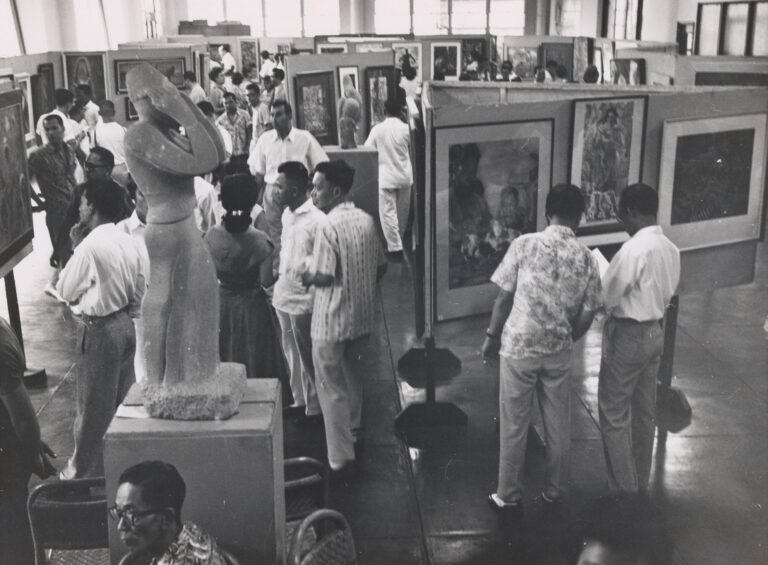
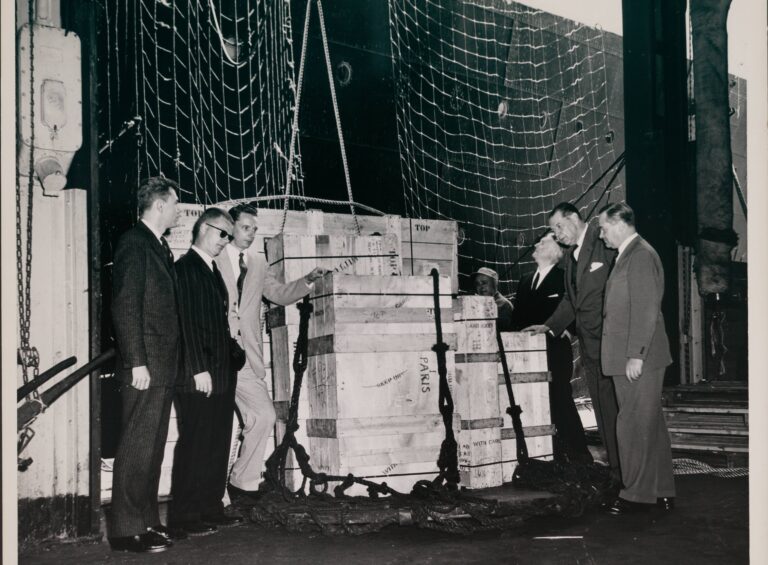
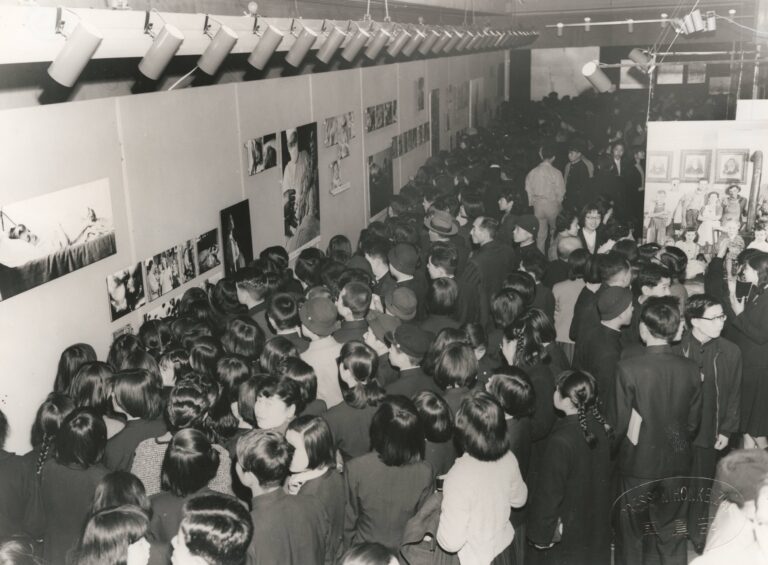
The International Program, in its early years, was able to circulate an extraordinary number of shows and to send them all over the world. This was possible because of the relatively low costs of shipping and installation, the sky-high dollar of the period, and insurance values for modern and contemporary art that were nothing like today’s. Conservation was not thought to be an issue for such recently created works, and climate control and security of facilities were not the same issues that they are now, so exhibitions were sent to relatively modest venues that could never be considered today for shows of this type.
AH: Why and when did [the] IP stop circulating exhibitions?
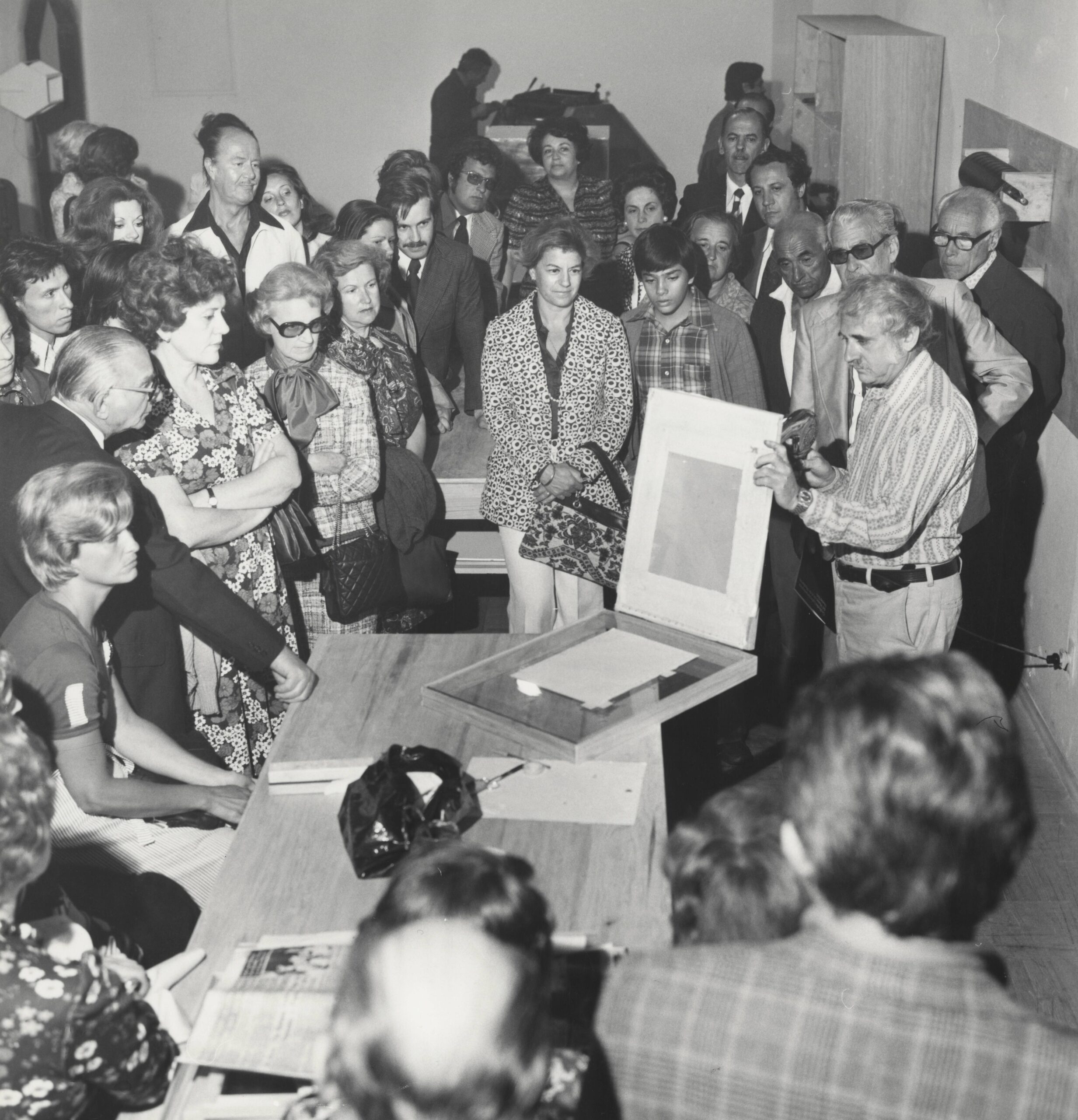
JL: While the traveling exhibition program was a remarkable success, over time it began to seem like a less effective way of reaching the parts of the world that had been the special interest of the IP—the countries outside of North America and Western Europe that were not as well connected to the international museum scene. The shows were by then organized by the curatorial departments rather than by the Program, and were often more aimed at a New York audience than an international public, and costs had risen dramatically. For those reasons, when I joined the department, I began looking for other ways to help connect MoMA to the broader world. The first new initiative was the suggestion of Patterson Sims, then head of [MoMA’s Department of] Education. He proposed that we start a series of workshops at MoMA, drawing on museum professionals from different parts of the world, and we began with a group of Latin American colleagues. The first workshop, which focused on the departments of the Museum that were involved with organizing exhibitions, was so successful that our program turned into a yearly event, with participants in turn from Central and Eastern Europe, eastern Asia, and Africa. We even sent a group of MoMA staff to Hong Kong for a workshop there with Asian colleagues, and another, smaller, curatorial workshop took place in India. More recently we have concentrated on curatorial workshops, which connect our own curators with colleagues from parts of the world with which they may not be familiar, and on working with research groups from our curatorial departments to expand the Museum’s knowledge of artistic centers outside North America and Western Europe.
AH: How did [the] IP develop its Primary Documents publication series?
JL: That was an idea that came from a proposal by Laura Hoptman, then a curator here in the Department of Painting and Sculpture. I was looking for a new program for Eastern Europe, and she suggested that we compile an anthology of historical documents on art from the region, translated into English. It was a very difficult first project because of the many different and complicated languages involved, but the result—a compendium of important writings by artists, critics, and historians from the 1950–2000 period—turned out to be so useful that it has served as the model for the entire series. It not only allows MoMA to focus its audience’s attention on areas of the world that for one reason or another do not fit into the exhibition program; it also helps to direct the Museum’s own attention to these regions. We have already published anthologies on Argentina [2004], Venezuela [2008], Sweden [2008], China 2010], Japan [2013], Brazil [2016], the Arab World [2018], and Central and Eastern Europe [2002 and 2018] and we have [three] titles in process on [the African continent, Korea, and South Asia]. I’m pleased with the reach of these new programs and believe that they help to connect the Museum with an ever-expanding world in ways that would no longer be possible through an exhibition program alone.