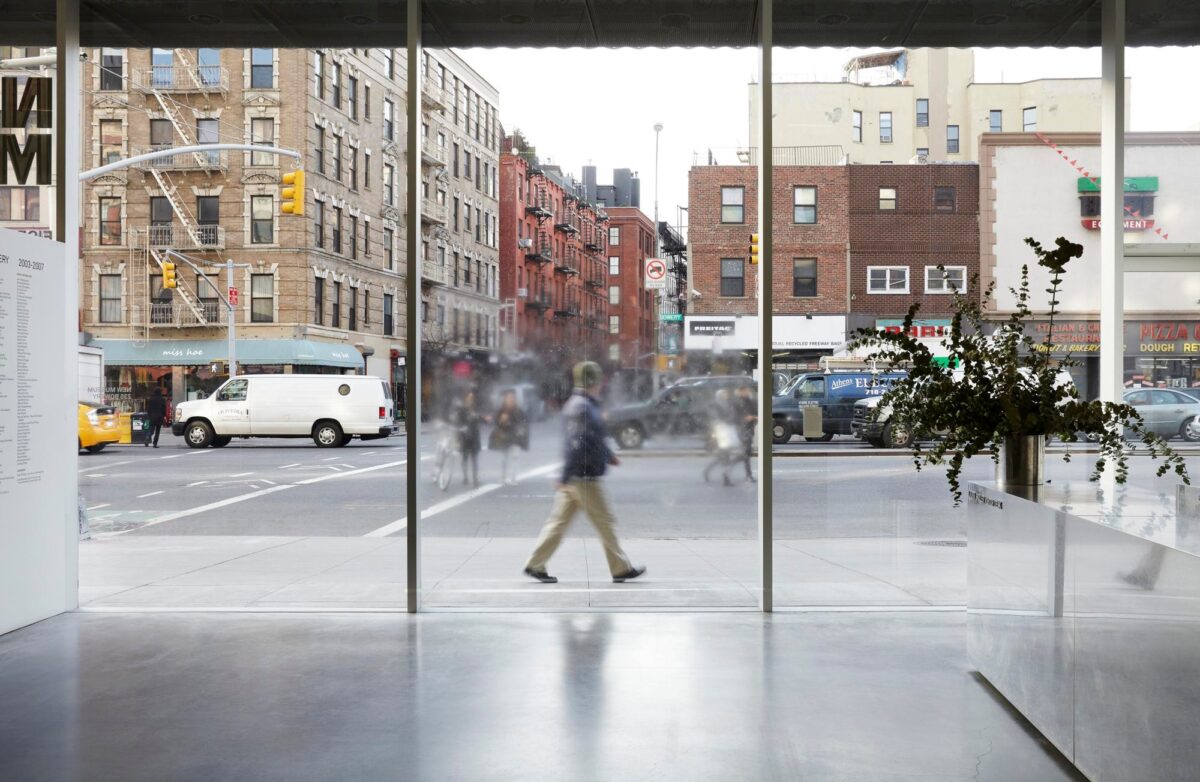
A burst of silver is suspended in a glass window. It was witness to and echoes an exhalation. In daylight, between a sprawling city and a large interior, it is glint and shadow. This specter travels through different windows across time. A moving image. Most encounters are through photographs and narration, but once, I was enlisted to perform the exhalation, the suspension. Breath into dust onto glass into time.
- Particle
When invited to be part of the 2012 New Museum Triennial titled The Ungovernables, Gary-Ross Pastrana (Filipino, b. 1977) presented Balloon (2012), described as a “silver, gelatin on glass installation.”1The Ungovernables: 2012 New Museum Triennial, Manila, February 15–April 22, 2012, https://archive.newmuseum.org/exhibitions/1462. See Maria Eileen Legaspi-Ramirez, “Balloon,” Cultural Center of the Philippines Encyclopedia of Philippine Art digital edition, https://epa.culturalcenter.gov.ph/3/82/2137.“Silver” here meant the dust of colored confectionery powder, “gelatin” was of the food-grade variety, and “glass” was the large front window of the museum lobby facing the street. Installing it involved spraying clear gelatin onto the glass, then directing one’s breath to carry dust, ready in hand, onto it.2Although the gelatin has been described as having been “slathered,” Pastrana himself describes it as an act of spraying. He has also supplied spray bottles as part of iterations such as Kit 02 (After Air de Paris) (2013). In Untitled (Fieldnotes 3) (2013), he writes, “Early on I already knew that the gelatin shouldn’t be brushed on the glass. The brush marks could be read as some kind of artist’s handwriting or signature and it’s a layer of meaning that I’m not prepared to co-opt into the work. To turn it into mist would be ideal. Not only would it be spread evenly across the surface of the glass, it would also complement the way I disperse the silver dust by breathing.”The work, according to the artist, can be wiped away and simply disappear. In Balloon, an installation that fragments and embodies photography’s basic elements and processes, the exhibition space refers to the photographic. It rearticulates silver (particle), gelatin and glass (surface), and breath, light, and time (medium, gesture), and renders the exhibition space itself a deconstructed photograph.
Pastrana is a conceptual artist born during the period of martial law imposed by then-president Ferdinand Marcos, who was toppled in 1986 after years of resistance culminating in the People Power Revolution. In 2000, he earned his BFA in painting from the University of the Philippines. Five years later, in 2005, he cofounded the artist-run space Future Prospects with artists Louie Cordero (Filipino, b. 1978) and Cocoy Lumbao (Filipino, b. 1977) and curator Mizuki Endo (Japanese, b. 1975).3For more on Future Prospects, see “What ‘Future’? Which ‘Prospects’? (Future Prospects, Quezon City, 2005–2007): A Conversation with Cocoy Lumbao, Gary-Ross Pastrana, and Mizuki Endo on Future Prospects,” online interview by Merv Espina, Sau Bin Yap, and Dominic Zinampan, December 18, 2020, Right People, Wrong Timing, Green Papaya Art Projects with the support of Japan Foundation, Manila, https://cdn.aaa.org.hk/_source/gp2/2020-12-18-what-future-which-prospects-future-prospects-quezon-city-2005-2007.pdf; and “Future Prospects Art Space’s First Year [2005],” published 2006, Manila Artist-Run Spaces Archive, Asia Art Archive, https://aaa.org.hk/en/collections/search/archive/manila-artist-run-spaces-archive/object/future-prospects-art-spaces-first-year/sort/date-desc. Mizuki Endo traveled to the Philippines initially to write about the Baguio Arts Guild (BAG) but ended up focusing on curatorial projects that aimed to introduce Filipino artists—Pastrana and Cordero among them—in Fukuoka. During his third visit, he helped establish Future Prospects in Quezon City.Though they closed in 2007, their brief but busy programming enlivened an artistic community that was local and international, multidisciplinary and experimental, and one in a wave of alternative platforms in Manila that from the mid-1980s through the 2000s “short-circuited the art circulation and validation channels.”4See, for example, Ringo Bunoan, “Past and Present Alternatives: Artist-Run Spaces in the Philippines,” Like A Fever, Asia Art Archive, 2021, https://aaa.org.hk/en/like-a-fever/like-a-fever/past-and-present-alternatives-artist-run-spaces-in-the-philippines; and Alain Zedrick Camiling, “Manila Beyond Institutional Capital,” Art-Journal, June 22, 2026, https://www.theartjournal.com/articles/manila-beyond-institutional-capital
In The Ungovernables, Pastrana was one among over 50 participants, some in groups and temporary collectives, whose work “[reflected] the urgencies of a generation who came of age after the independence and revolutionary movements of the 1960s and 1970s”—artists who “negotiate time and their experience of the contemporary, often demonstrating a profound mistrust of permanence.” Balloon was very much “provisional, site-specific, and performative, reflecting an attitude of possibility and resourcefulness” consistent with many of Pastrana’s objects and installations across over two decades of practice.5Press release for “The Ungovernables” Artists Roundtable Q&A, moderated by Eungie Joo, February 16, 2012 and on the cover of The Ungovernables: 2012 New Museum Triennial, exh. cat. (Skira Rizzoli Publications, Inc., NY, in association with New Museum, 2012), https://archive.newmuseum.org/exhibitions/1453. See also Eungie Joo’s essay, “The Ungovernables,” The Ungovernables: 2012 New Museum Triennial, exh. cat. (Skira Rizzoli Publications, Inc., in association with New Museum, 2012), pp. 15–18.
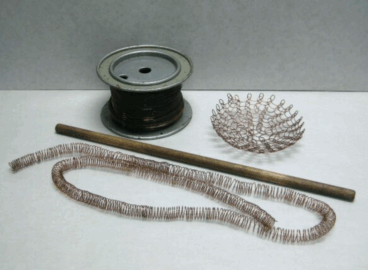
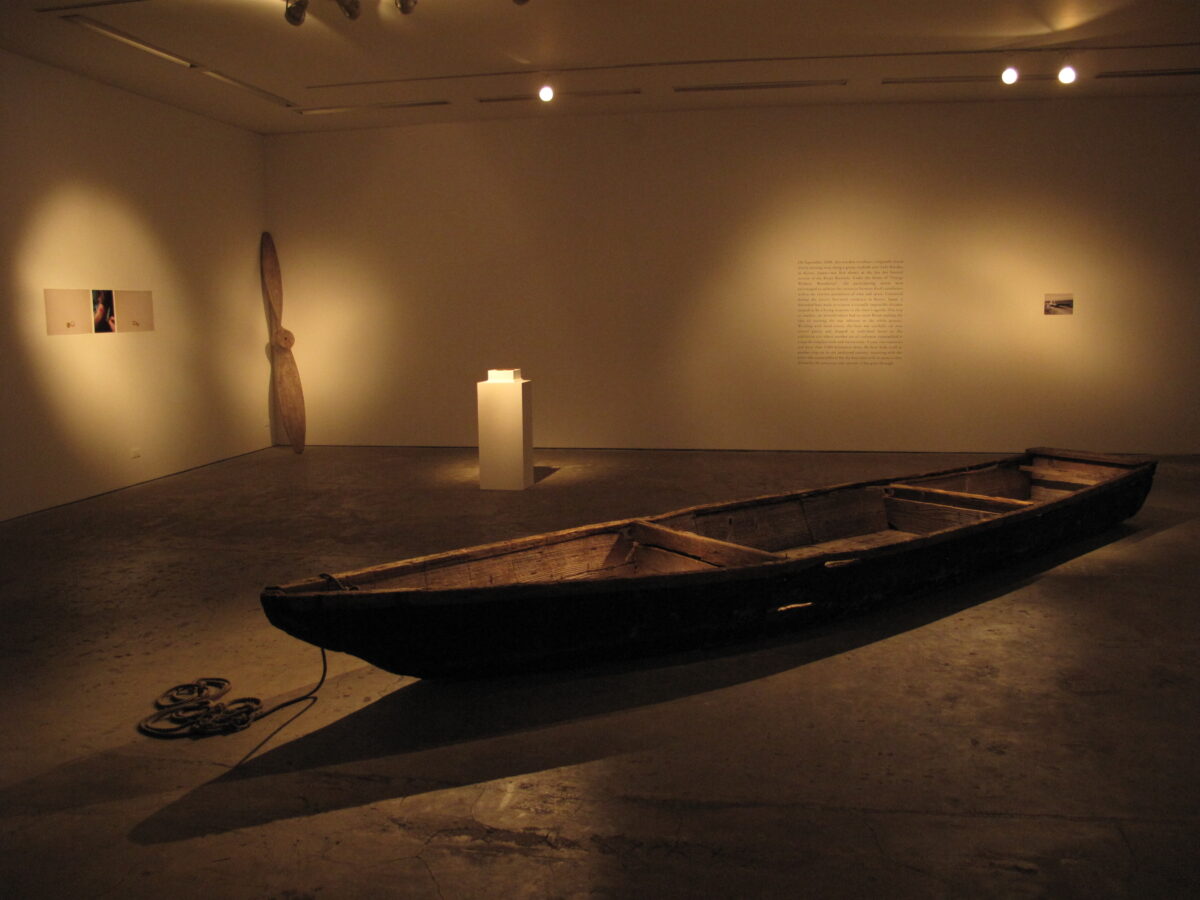
Often described as conceptual, temporal, subtle, and poetic, Pastrana’s work deconstructs, converts, revalues, and transforms the materiality, metaphysical properties, substance, and meaning of everyday objects and forms. Beyond the art object, these qualities extend to his engagement with the exhibitionary form in a generative way. For example, a discarded wooden boat found near Lake Biwa during his 2008 residency in Kyoto became Collapsible Stream, his work in the 2008 Busan Biennale. Cut up and shipped to Busan, it was reassembled there by installers and then cut up again for return to the Philippines, where it was reassembled by Pastrana for Indivisibilis, a solo exhibition in Manila. Titled Stream since then, it has been repeatedly dismantled, transported, and rearticulated in different exhibitions, most recently in 2025.6Aside from the 2008 Busan Biennale and Indivisibilis at Silverlens Gallery, Manila (2008), Stream was also exhibited in Complete & Unabridged Part II at Osage Gallery, Hong Kong (2011), Points of Ellipsis at Osage Gallery, Hong Kong (2011) where the boat was not reassembled, Islands at Espace Louis Vuitton, Singapore (2011), Never is a Promise at Calle Wright, Manila (2018), and Here & Now & Now & Then at RCBC Plaza, Makati City (2025).What will it look like the hundredth time?
I did not see Stream in 2008; I was a child then. Pastrana says its sawdust was collected and formed into a propeller and a record. The record could be played; he has no recording but can describe the sound.7From conversations with the artist, May 2026.Later, I saw photographs. Eventually, I encountered a decade-old Stream in an exhibition in a house in Manila, in a room on the second floor, where both ends nearly touched the walls. To dock, to meet a landing place. To dock, to take parts away from something.
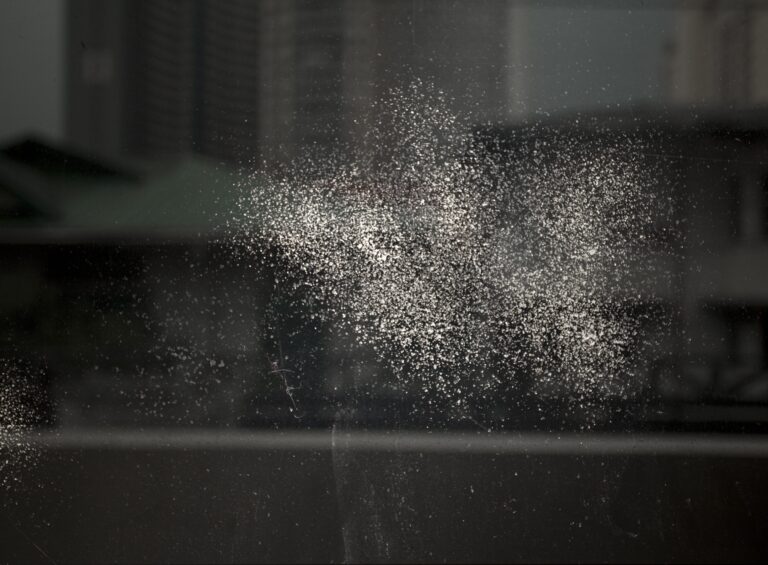
Balloon was re-created in an exhibition of sixteen Filipino artists titled The Vexed Contemporary at the Museum of Contemporary Art and Design in Manila in 2015.The Vexed Contemporary, Museum of Contemporary Art and Design (MCAD), Manila, August 26–November 21, 2015.8See also Joselina Cruz, “The Anxiety of the Present,” in The Vexed Contemporary, exh. cat.(La Sallian Education Innovators Foundation in association with MCAD, 2015), pp.1–7.Described as “gelatin and silver dust,” the humbler, more domestic confectionery powder had transmuted into elemental metal.9See Joselina Cruz, exhibition notes for The Vexed Contemporary, Museum of Contemporary Art and Design, Manila, 2015, https://www.mcadmanila.org.ph/wp-content/uploads/2016/11/The-Vexed-Contemporary-Info.pdf. As before, it was mounted onto the museum’s façade which is entirely a window. One placement was above the doorway, a structure bordered with a thick frame, lifting the work beyond anyone’s sight. The other was at ground-level, on the same glass façade, but in a corner obscured by a large column. Pastrana could not be present this time. It was not his breath but that of the installers who performed the work based on his instructions. As one of them, I stood on a cherry picker, held out a hand, and carried what silver could reach its intended surface. We were instructed to be cautious with the expensive material. The precious silver, ground up, was dark, uneven, a cluster of miniscule rods. Breath found it difficult to carry to its intended surface. I have asked and not found out if any silver remains, if it was erased by hand or by the elements. Seeing its photograph in the exhibition publication felt like a discovery, though it was not my first encounter.
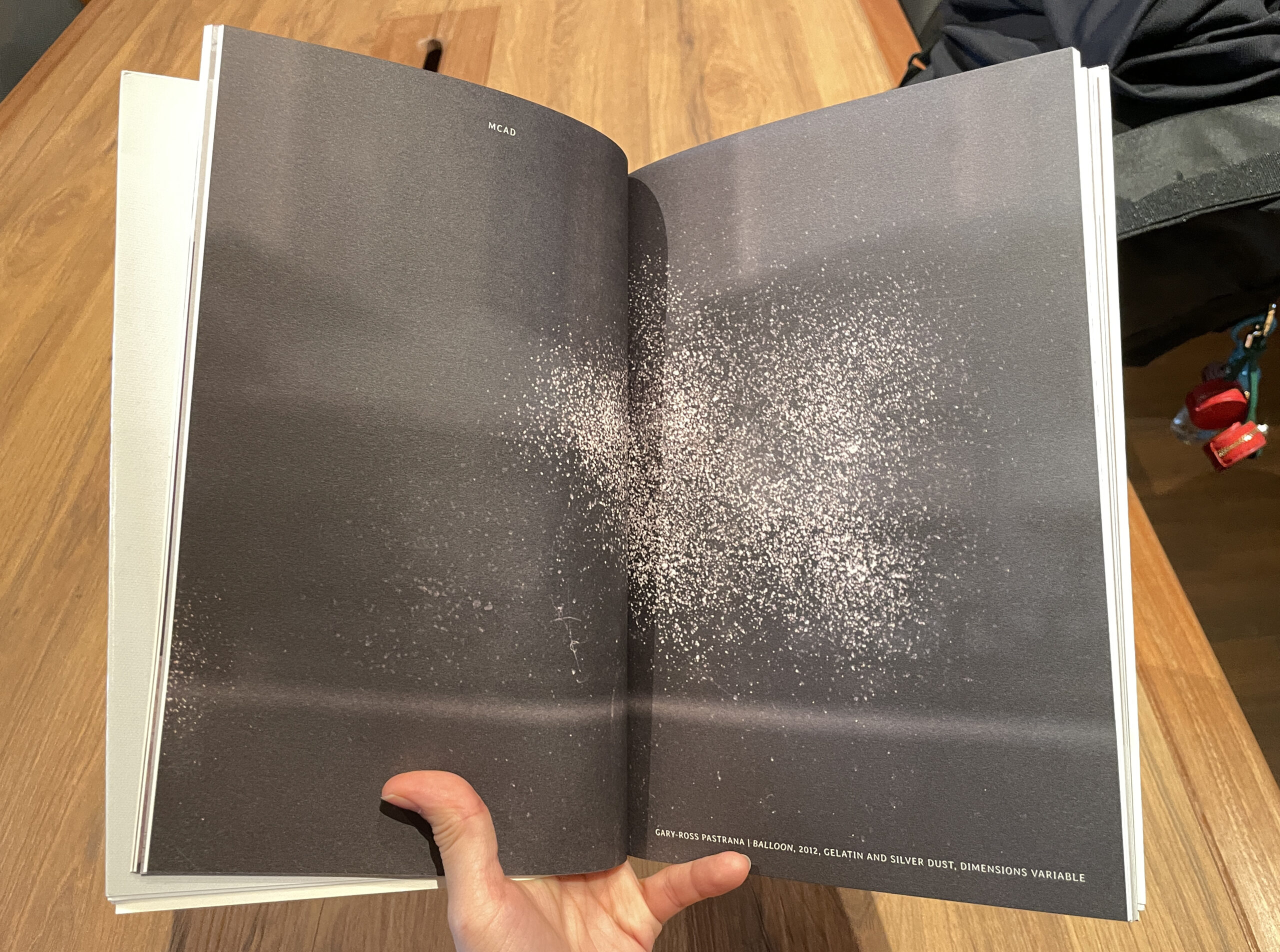
Figure 3. Gary-Ross Pastrana, Balloon (2012/2015), installation view, “The Vexed Contemporary,” a group show at the Museum of Contemporary Art and Design (MCAD) Manila, 26 August – 21 November 2015, curated by Joselina Cruz. Photo by At Maculangan. © Museum of Contemporary Art and Design (MCAD) Manila
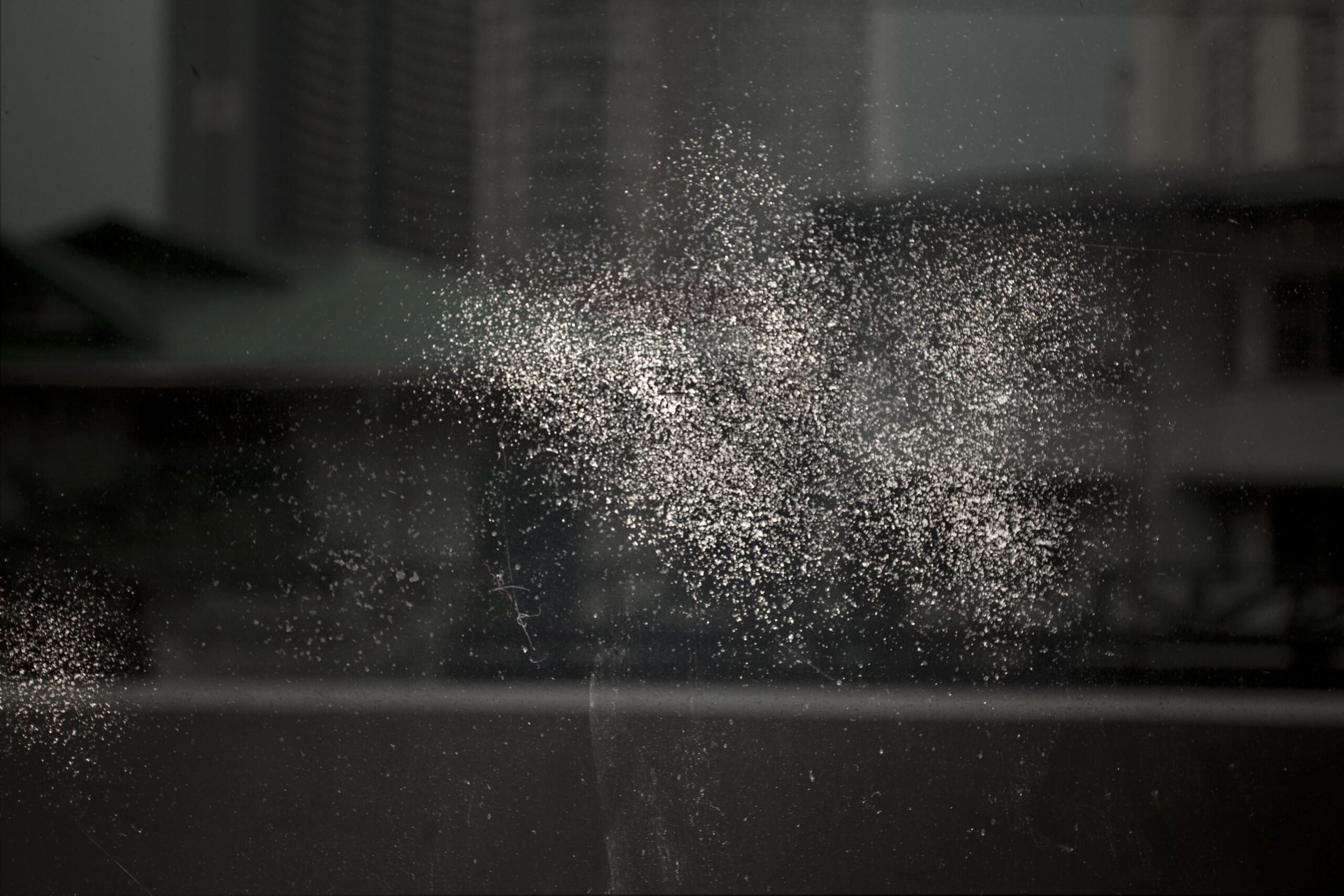
Figure 4. Gary-Ross Pastrana, Balloon (2012/2015), installation view, “The Vexed Contemporary,” a group show at the Museum of Contemporary Art and Design (MCAD) Manila, 26 August – 21 November 2015, curated by Joselina Cruz. Photo by At Maculangan. © Museum of Contemporary Art and Design (MCAD) Manila
- Surface
In between the dust of confectionery powder and elemental silver, the metaphorical balloon had become literal, and silver had been redefined as a singular, special object. Coin, from Pastrana’s 2014 solo exhibition “SUMMA” at Jorge B. Vargas Museum at the University of the Philippines in Manila, was described by curator Patrick D. Flores as “a silver dollar coin ground to dust.”10Patrick D. Flores, exhibition notes for Gary-Ross Pastrana’s solo exhibition SUMMA, Jorge B. Vargas Museum at the University of the Philippines, Manila, April 11–May 8, 2014, https://www.silverlensgalleries.com/exhibitions/2014-04-11/summa Balloon, renewed through its title and redefinition of silver, was still drawing from the same premise and parameters, still specific and malleable.
I only encountered this work through a photograph online. Pastrana narrated his attempt to make Coin occupy a much larger surface area and how it failed: The dust’s excessive dispersal rendered the work imperceptible, though it was placed on the front window at normal height.11From conversations with the artist, May 2026.In the photograph, we see a lamp directed at the glass, an aid to lift the dust into visibility—in comparison to other iterations where visibility was enabled by natural light—rendering the exhibition through the photographic. Beyond its experimentation with photography’s basic materials—its language, concepts, mechanisms—this Coin, this Balloon, does the work of capturing, of suspension. It is like glass: a material between states, an amorphous liquid that never quite sets into a solid.
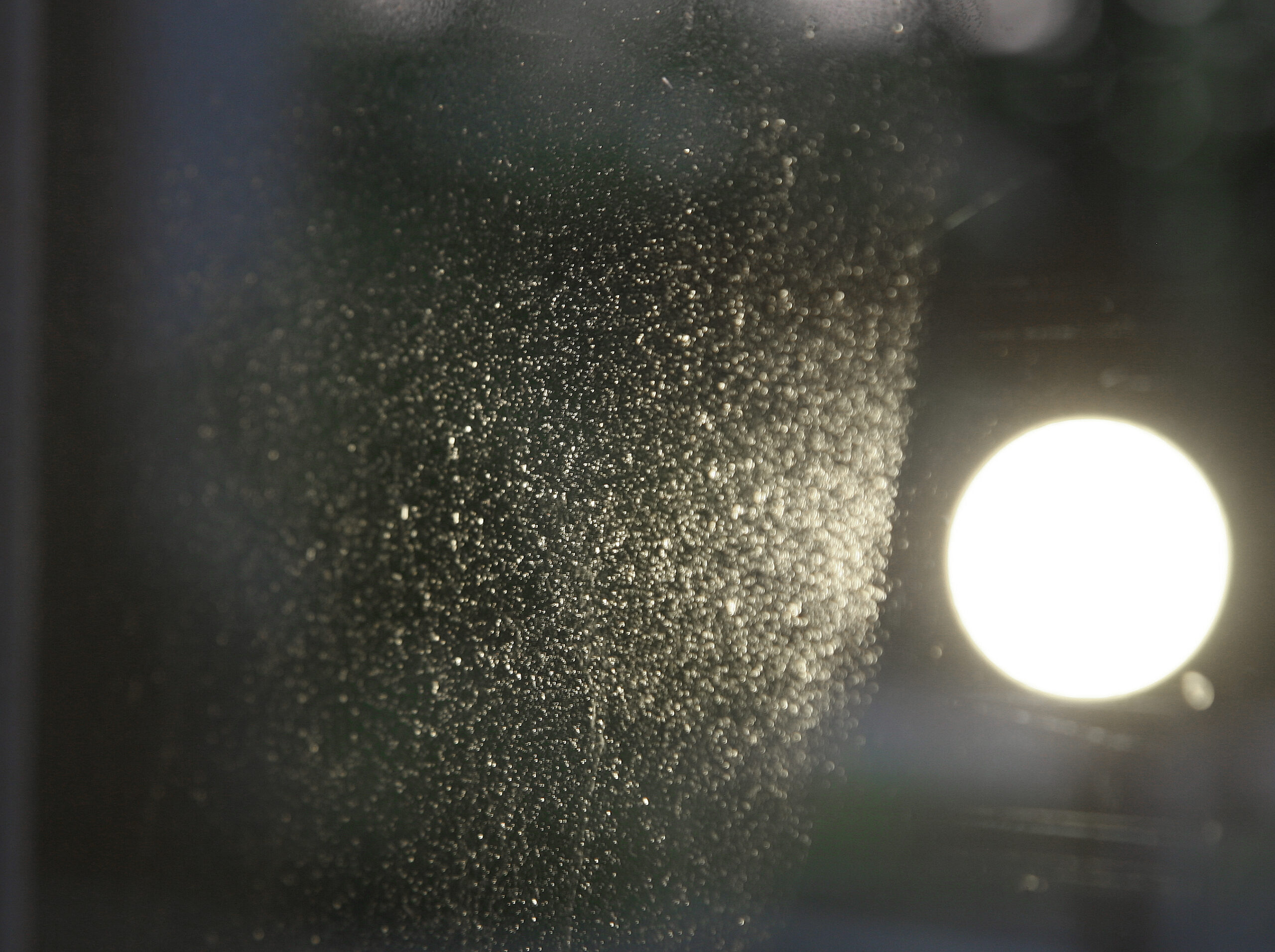
Figure 5. Gary-Ross Pastrana, Coin (2014), installation view, “SUMMA” at Jorge B. Vargas Museum at the University of the Philippines, Manila, 11 April – 8 May 2014, curated by Patrick D. Flores. Image courtesy of Silverlens Manila | New York
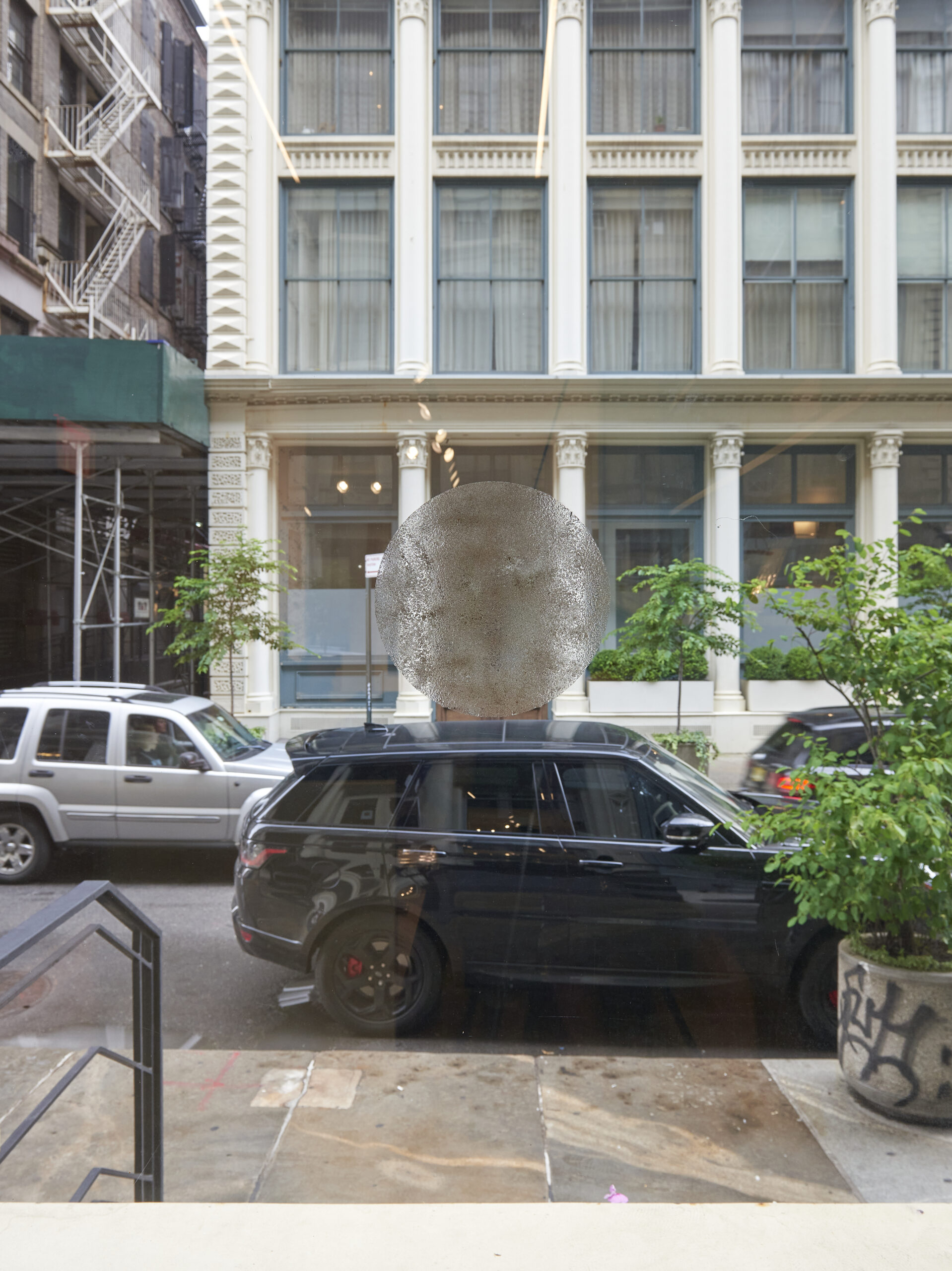
Figure 6. Gary Ross Pastrana, COIN (2014/2023), installation view, “Island Time” at Jane Lombard Gallery, New York, 23 June – 29 July 2023. Photo courtesy of James Clar and Jane Lombard Gallery
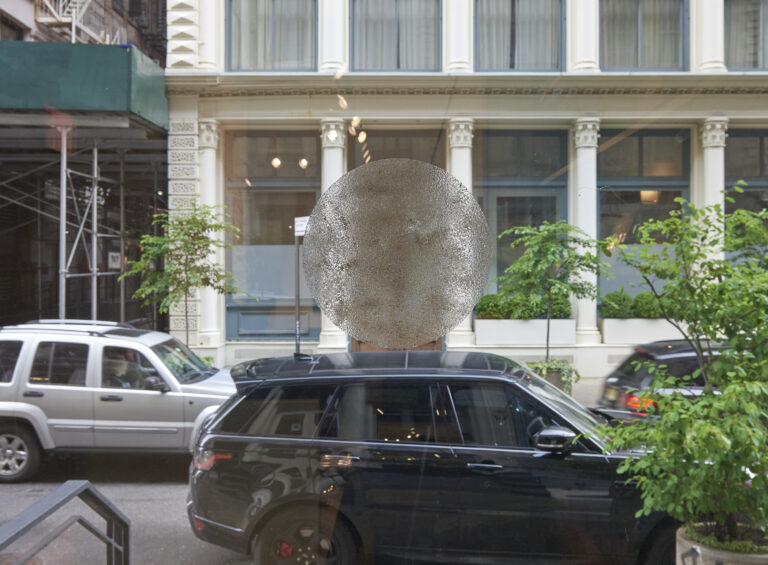
Almost a decade later, COIN (2023) appeared in Island Time: An Exhibition of Artists Living and Working in the Philippines at Jane Lombard Gallery in New York City. In this iteration, COIN “[referenced] the history of photography” and “explore[d] the anachronistic nature of Philippine identity and experience [in the] deconstructed photograph made of filed-down silver from a USA Silver Peso Dollar that was distributed during the US occupation of the Philippines; the work recalls the recent history of American colonization, as well as the silver-gelatin photographic process.”12Jane Lombard Gallery, “Island Time: An exhibition of artists living and working in the Philippines, curated by James Clar,” press release, June 2023, https://www.janelombardgallery.com/usr/documents/exhibitions/press_release_url/9/press-release_jlg_james-clar_island-time.pdf. Here, silver is further negotiated and modulated across historical specificities. Pastrana could not be present, and so the work was again embodied by others through materials and instructions. In COIN, the articulation of dust and breath became a well-defined circle, but still a suspension and dispersal of the same words and gestures. A coin in a balloon. A particular history ground down, scattered, and reshaped through the artwork’s series of circulations.
Silver—and silver dust—is not always elemental silver, or silver nitrate and its photo–sensitive form as silver halide crystals embedded in film emulsion. Silver simply denotes a color, an effect, a glint, a shine. Its dust can be store-bought or domestic, rare or historical, readymade or processed particularly for experimentation and exhibition. Gelatin in food and the gelatin in binding medium for photographic plates and prints are both derived from animal collagen but of course are not interchangeable. Silver coins in circulation do not contain silver and are often made with copper, nickel, aluminum, and stainless steel. Balloon engages with photography’s most basic material components discursively, as and into language.
There were other names, other forms, other arrangements in and of time. In 2013, between Balloon and Coin, Pastrana’s solo exhibition On (or before) Photography / The silver + gelatin works was held at Silverlens Gallery in Manila. It included varied objects, images, text, and displays—a storage-rack panel with monochromatic photographic prints; a shelf and table with lenses, glass apparatus, small hand–built sculptures, kits for producing new Balloons, small photographs documenting experiments; and ten framed texts—each one annotating another. The exhibition, curator Sam I-shan wrote, “investigates a quintessential photographic process by breaking it down into its constituent parts of silver, gelatin, light and exposure time. This synecdochal treatment, complete with case notes, asks: What is an image and at what point is it made?”13Sam I-shan, “The Image as Medium of Revelation,” pp. 6–13; artist profile and images from On (or before) Photography / The silver + gelatin works, pp. 54–56; in Afterimage: Contemporary Photography in Southeast Asia, exh. cat. (Singapore Art Museum, 2014).The breath holds (suspends, encloses), the breath holds (carries itself, continues).
- Gesture
Ten short texts—inkjet prints on laminated photo paper hung in a row, the only wall-bound pieces—made up Untitled (Fieldnotes): an autocritical articulation of Pastrana’s ideas, experimentation, and past-present-future presentations of this photographic project, many with material evidence present and others suspended in writing, as thinking. In one text, he plans to coat an incandescent bulb with gelatin, which would, in little time, burn and imprint like “scientific pictures of sun flares” on the small, curved surface (surface and gesture resulting in particle). In another, he describes “a primeval, handheld projector”: a flashlight sculpted from silver, then assembled with a light source and hardened gelatin, where an image, text, or pattern can be inscribed and transmitted.
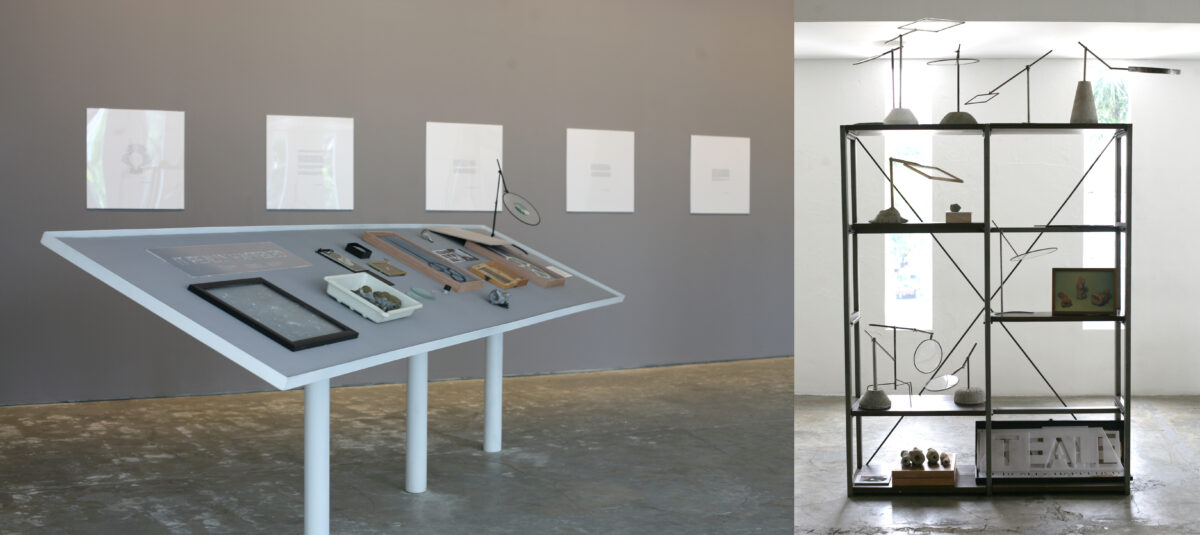
Here we see Balloon and its language could be expanded further: Glass could also be a telescope lens, Plexiglas, an automobile windshield, the glass of a framed iteration of Balloon, a bulb. Instead of silver, it could be glass that will be hand-ground and used to create telescope lenses that will then be coated with silver and gelatin (surface turned particle upon particle turned surface). Beyond making pictures and objects, there is sustained interest in creating conditions that rearticulate matter, light, and other actors in(to) space, image, across time. These conditions may be the conditions of not only the photographic but also the cinematic.
An outlying idea written about in Untitled (Fieldnotes) resulted in the only framed, apparently finished, monochromatic photographs present. In L’Autorittrato (Cosmos), Balloon’s window is replaced by a framed rectangular glass pane, and in Pulse, it is a large circular lens—both glass objects held by steel armatures positioned above a naked back in the former and a wrist in the latter. There is silver dust on each glass surface, blocking sunlight, in the process of leaving an imprint on the body. Pastrana writes, “It was only later that I realized that the portrait is not of the person receiving the imprint, he is in fact inconsequential. The picture is of the sun itself.”14Untitled (Fieldnotes 9) (2013).Light traveling toward a back or a wrist, toward an imminent imprint, a moving image.
In the Kits—seemingly designed to be collectible, with wooden boxes encasing them—Balloon can be re-created with supplied instructions and materials: a spray bottle, (unspecified) silver dust, gelatin powder, and a mold or template. Kit 02 (After Air de Paris) is a shape traced from a photo of Marcel Duchamp’s Air de Paris (1919/1964), about which Pastrana wondered, “In re-creating the photo, would I have re-created the work as well?”15Untitled (Fieldnotes 4) (2013).Another, Kit 01: Receipt, a clear acrylic template that reads, “IT REALLY HAPPENED,” includes instructions for the dust to be dispersed onto “preferably a windowpane or an automobile windshield, perhaps.” Receipt is also the title of a photographic print documenting the artist’s own activation of Kit 01—the same work (as in artwork and labor/gesture) articulated in two forms. Aside from Balloon’s animation by light and the bodies of viewers and passersby, through iterations like the Kits and Receipt, installation is rendered performative and generative. Always alongside the transmutations of dust and glass and the registers of light and duration, the expansive breath.
In the last of the set, Pastrana enjoins us in processing: “Now why am I doing this? Maybe to arrive at some other form of representation. An object-picture or a process-image. Yet I am not interested in making a camera. I’m actually hoping to bypass it or at least postpone its use much later in the process and even then, still limit its use to recording and gathering proof that the objects were used and actual work has been done.” At the end, he wonders if a story can work just as well.16Untitled (Fieldnotes 10) (2013).
Here, we encounter “a narration through text, a narration through the evidence of objects, and a narration through the photograph itself,” the artist-critic Cocoy Lumbao writes about the solo exhibition. “It becomes a documentation of a process, and the process is about documenting memories itself.”17Cocoy Lumbao, exhibition notes for On (or before) Photography / The silver + gelatin works, Silverlens Gallery, Manila, August 15–September 13, 2013, https://www.silverlensgalleries.com/exhibitions/2013-08-15/on-or-before-photography-the-silver-gelatin-works.Looking at the silver + gelatin works, at each articulation of Balloon, we see that what is being documented is the photographic and the cinematic itself, suspending particle, surface, the medium and gestures of light and time. Here, in place of, or beyond, memory, I reach toward narration, rearticulation, reencounter—what is suspended expands. This condition of dispersal or expansion calls to attention a kind of outline, a core dispersing, a stretching outward, something blanketed by malleable material. Or we may simply speculate on the weight and histories of dust or the strength of sunlight or a breath.
- 1The Ungovernables: 2012 New Museum Triennial, Manila, February 15–April 22, 2012, https://archive.newmuseum.org/exhibitions/1462. See Maria Eileen Legaspi-Ramirez, “Balloon,” Cultural Center of the Philippines Encyclopedia of Philippine Art digital edition, https://epa.culturalcenter.gov.ph/3/82/2137. ↩︎
- 2Although the gelatin has been described as having been “slathered,” Pastrana himself describes it as an act of spraying. He has also supplied spray bottles as part of iterations such as Kit 02 (After Air de Paris) (2013). In Untitled (Fieldnotes 3) (2013), he writes, “Early on I already knew that the gelatin shouldn’t be brushed on the glass. The brush marks could be read as some kind of artist’s handwriting or signature and it’s a layer of meaning that I’m not prepared to co-opt into the work. To turn it into mist would be ideal. Not only would it be spread evenly across the surface of the glass, it would also complement the way I disperse the silver dust by breathing.” ↩︎
- 3For more on Future Prospects, see “What ‘Future’? Which ‘Prospects’? (Future Prospects, Quezon City, 2005–2007): A Conversation with Cocoy Lumbao, Gary-Ross Pastrana, and Mizuki Endo on Future Prospects,” online interview by Merv Espina, Sau Bin Yap, and Dominic Zinampan, December 18, 2020, Right People, Wrong Timing, Green Papaya Art Projects with the support of Japan Foundation, Manila, https://cdn.aaa.org.hk/_source/gp2/2020-12-18-what-future-which-prospects-future-prospects-quezon-city-2005-2007.pdf; and “Future Prospects Art Space’s First Year [2005],” published 2006, Manila Artist-Run Spaces Archive, Asia Art Archive, https://aaa.org.hk/en/collections/search/archive/manila-artist-run-spaces-archive/object/future-prospects-art-spaces-first-year/sort/date-desc. Mizuki Endo traveled to the Philippines initially to write about the Baguio Arts Guild (BAG) but ended up focusing on curatorial projects that aimed to introduce Filipino artists—Pastrana and Cordero among them—in Fukuoka. During his third visit, he helped establish Future Prospects in Quezon City. ↩︎
- 4See, for example, Ringo Bunoan, “Past and Present Alternatives: Artist-Run Spaces in the Philippines,” Like A Fever, Asia Art Archive, 2021, https://aaa.org.hk/en/like-a-fever/like-a-fever/past-and-present-alternatives-artist-run-spaces-in-the-philippines; and Alain Zedrick Camiling, “Manila Beyond Institutional Capital,” Art-Journal, June 22, 2026, https://www.theartjournal.com/articles/manila-beyond-institutional-capital ↩︎
- 5Press release for “The Ungovernables” Artists Roundtable Q&A, moderated by Eungie Joo, February 16, 2012 and on the cover of The Ungovernables: 2012 New Museum Triennial, exh. cat. (Skira Rizzoli Publications, Inc., NY, in association with New Museum, 2012), https://archive.newmuseum.org/exhibitions/1453. See also Eungie Joo’s essay, “The Ungovernables,” The Ungovernables: 2012 New Museum Triennial, exh. cat. (Skira Rizzoli Publications, Inc., in association with New Museum, 2012), pp. 15–18. ↩︎
- 6Aside from the 2008 Busan Biennale and Indivisibilis at Silverlens Gallery, Manila (2008), Stream was also exhibited in Complete & Unabridged Part II at Osage Gallery, Hong Kong (2011), Points of Ellipsis at Osage Gallery, Hong Kong (2011) where the boat was not reassembled, Islands at Espace Louis Vuitton, Singapore (2011), Never is a Promise at Calle Wright, Manila (2018), and Here & Now & Now & Then at RCBC Plaza, Makati City (2025). ↩︎
- 7From conversations with the artist, May 2026. ↩︎
- 8See also Joselina Cruz, “The Anxiety of the Present,” in The Vexed Contemporary, exh. cat.(La Sallian Education Innovators Foundation in association with MCAD, 2015), pp.1–7. ↩︎
- 9See Joselina Cruz, exhibition notes for The Vexed Contemporary, Museum of Contemporary Art and Design, Manila, 2015, https://www.mcadmanila.org.ph/wp-content/uploads/2016/11/The-Vexed-Contemporary-Info.pdf. ↩︎
- 10Patrick D. Flores, exhibition notes for Gary-Ross Pastrana’s solo exhibition SUMMA, Jorge B. Vargas Museum at the University of the Philippines, Manila, April 11–May 8, 2014, https://www.silverlensgalleries.com/exhibitions/2014-04-11/summa ↩︎
- 11From conversations with the artist, May 2026. ↩︎
- 12Jane Lombard Gallery, “Island Time: An exhibition of artists living and working in the Philippines, curated by James Clar,” press release, June 2023,
- 13Sam I-shan, “The Image as Medium of Revelation,” pp. 6–13; artist profile and images from On (or before) Photography / The silver + gelatin works, pp. 54–56; in Afterimage: Contemporary Photography in Southeast Asia, exh. cat. (Singapore Art Museum, 2014). ↩︎
- 14Untitled (Fieldnotes 9) (2013). ↩︎
- 15Untitled (Fieldnotes 4) (2013). ↩︎
- 16Untitled (Fieldnotes 10) (2013). ↩︎
- 17Cocoy Lumbao, exhibition notes for On (or before) Photography / The silver + gelatin works, Silverlens Gallery, Manila, August 15–September 13, 2013, https://www.silverlensgalleries.com/exhibitions/2013-08-15/on-or-before-photography-the-silver-gelatin-works. ↩︎