post Presents: Curating Multiple Modernities

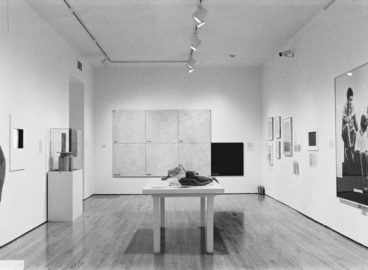
As museums move to put more geographically inclusive displays on view, a tension in emphasis–between cross-geographic correspondences and local particularities–is necessarily at stake. We convened a conversation between art historian, Alexander Alberro; curator, Doryun Chong; and museum director, Edit Sasvári, each with their own regional focus, to discuss the possibility of “the global museum,” what is gained and lost in the narrative of global modernism, and how local historiographies are best constructed in relation to international narratives and histories.

Introduction: Displaying Modernity
Part 2: Edit Sasvári
Part 3: Doryun Chong
Part 4: Alexander Alberro
Part 5: Discussion
Part 6: Q&A

More in this theme

Sound in Two Dimensions: Graphic Scenario of Performances by Zero Jigen in the 1960s

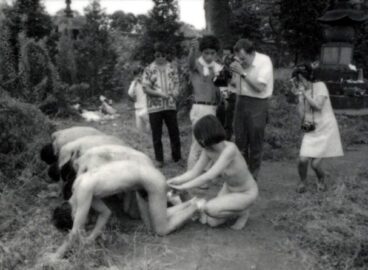
Zero Jigen (Zero Dimension), a performance collective active in the 1960s in Tokyo and Nagoya, Japan, has only recently become better known in the international art world through the following exhibitions and content: Tokyo 1955–1970: A New Avant-Garde (The Museum of Modern Art, New York, 2012–13) with screenings of the group’s performance documents; Great Crescent: Art and Agitation…

Thinking Back on Global Conceptualism

Rachel Weiss, curator, writer, and professor at the School of the Art Institute of Chicago, was invited to MoMA to speak about the exhibition Global Conceptualism: Points of Origin, 1950s–1980s, which she co-organized in 1999 with Jane Farver (who also came to talk on the subject), Luis Camnitzer, and an international team of curators: Okwei Enwezor,…

Subscribe to our newsletter

Related Content

Histories, Convivialities, and Art Practices in Modern Indonesia

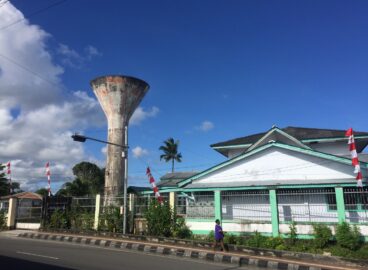
In speaking about “modern Indonesia,” I am thinking less in terms of chronology or style and more in terms of conviviality as practice: the everyday negotiation of languages, traditions, faiths, empires, merchants, farmers, rulers, and neighbors. The “modern” was—and remains—about relations: how to live together, how to keep conversations open, how to practice care even when histories, hierarchies, and inequalities persist.

Dreaming of Food, Air, and Water: In Conversation with Rajyashri Goody 

Rajyashri Goody (b. 1990) queries food and water politics, Ambedkarite Buddhist practices, literacy and Dalit literature, and mobility and place-making in the context of caste-based violence and Dalit resistance in India. She works primarily with paper pulp, clay, text, photography, and printmaking. What follows is an abbreviated account of Goody’s session with the C-MAP Bombay/Mumbai Group.…