Art in Their Own Backyard: A Conversation with Lin Tianmiao and Wang Gongxin

Beijing was home to high-energy experimental art practices, including Beijing East Village performances and apartment art, in the 1990s. The practices that were critical of their socio-political context are often referred to today as underground art. How did underground networks function, and how did censorship affect their operation and production? In this conversation, the artists Lin Tianmiao and Wang Gongxin, who are husband and wife, reflect on the self-organized art activities in which they were involved in the 1990s, including those in their own backyard. Their LOFT art space in Beijing was a place for exchanging ideas about experimental art and played a crucial role in welcoming foreign curators to China.

Lin and Wang, leading figures in fiber art and new media art, respectively, have lived between New York and Beijing since the late 1980s and have exhibited widely in North America, Australia, Europe, and Asia. In this conversation, they reflect upon the changes in their understanding of what it means to be an artist since they moved to New York. Lin and Wang’s experiences in the artworld speak to the changes in their profession that Chinese artists have witnessed over the past 30 years.
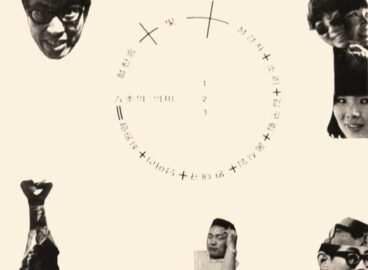
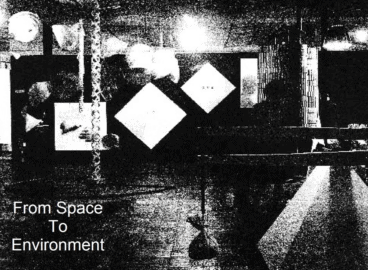
Art in Their own Backyard: A Conversation with Lin Tianmiao and Wang Gongxin, Part 1
Art in Their own Backyard: A Conversation with Lin Tianmiao and Wang Gongxin, Part 2

Art in Their own Backyard: A Conversation with Lin Tianmiao and Wang Gongxin, Part 3

More in this theme

Subscribe to our newsletter

Related Content

Histories, Convivialities, and Art Practices in Modern Indonesia

In speaking about “modern Indonesia,” I am thinking less in terms of chronology or style and more in terms of conviviality as practice: the everyday negotiation of languages, traditions, faiths, empires, merchants, farmers, rulers, and neighbors. The “modern” was—and remains—about relations: how to live together, how to keep conversations open, how to practice care even when histories, hierarchies, and inequalities persist.

Dreaming of Food, Air, and Water: In Conversation with Rajyashri Goody 

Rajyashri Goody (b. 1990) queries food and water politics, Ambedkarite Buddhist practices, literacy and Dalit literature, and mobility and place-making in the context of caste-based violence and Dalit resistance in India. She works primarily with paper pulp, clay, text, photography, and printmaking. What follows is an abbreviated account of Goody’s session with the C-MAP Bombay/Mumbai Group.…